

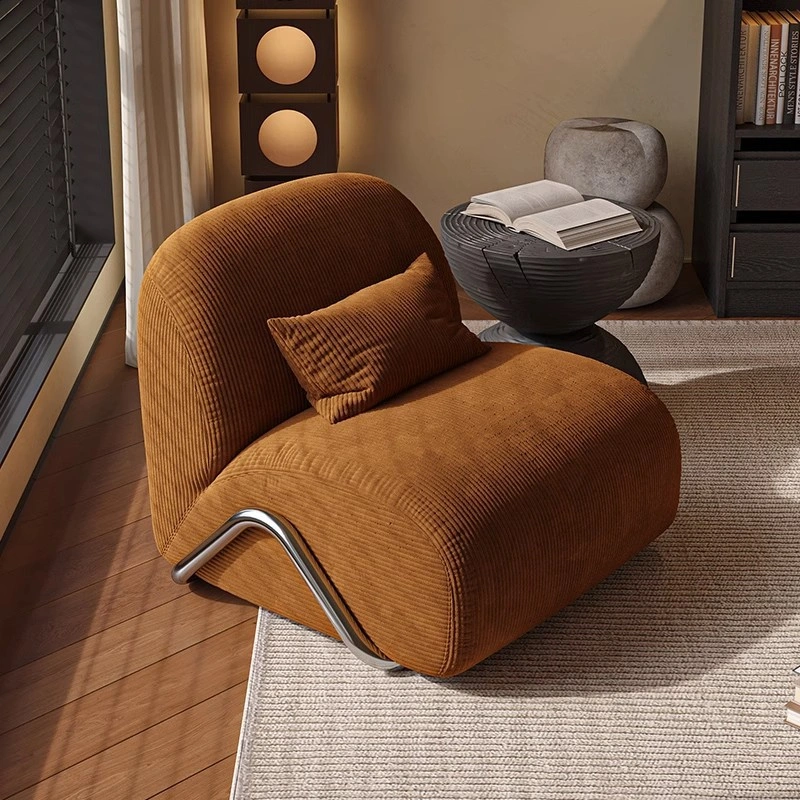
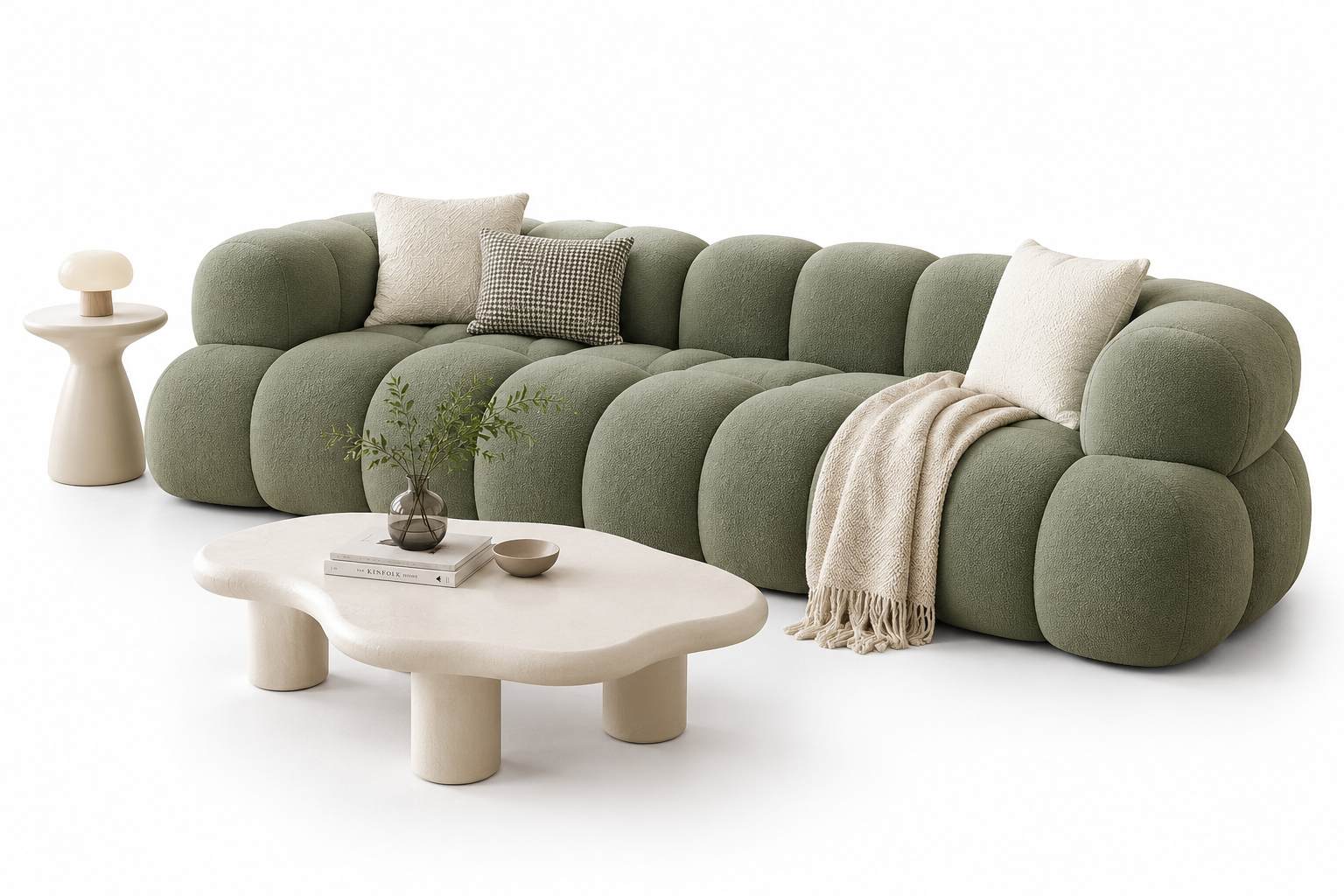
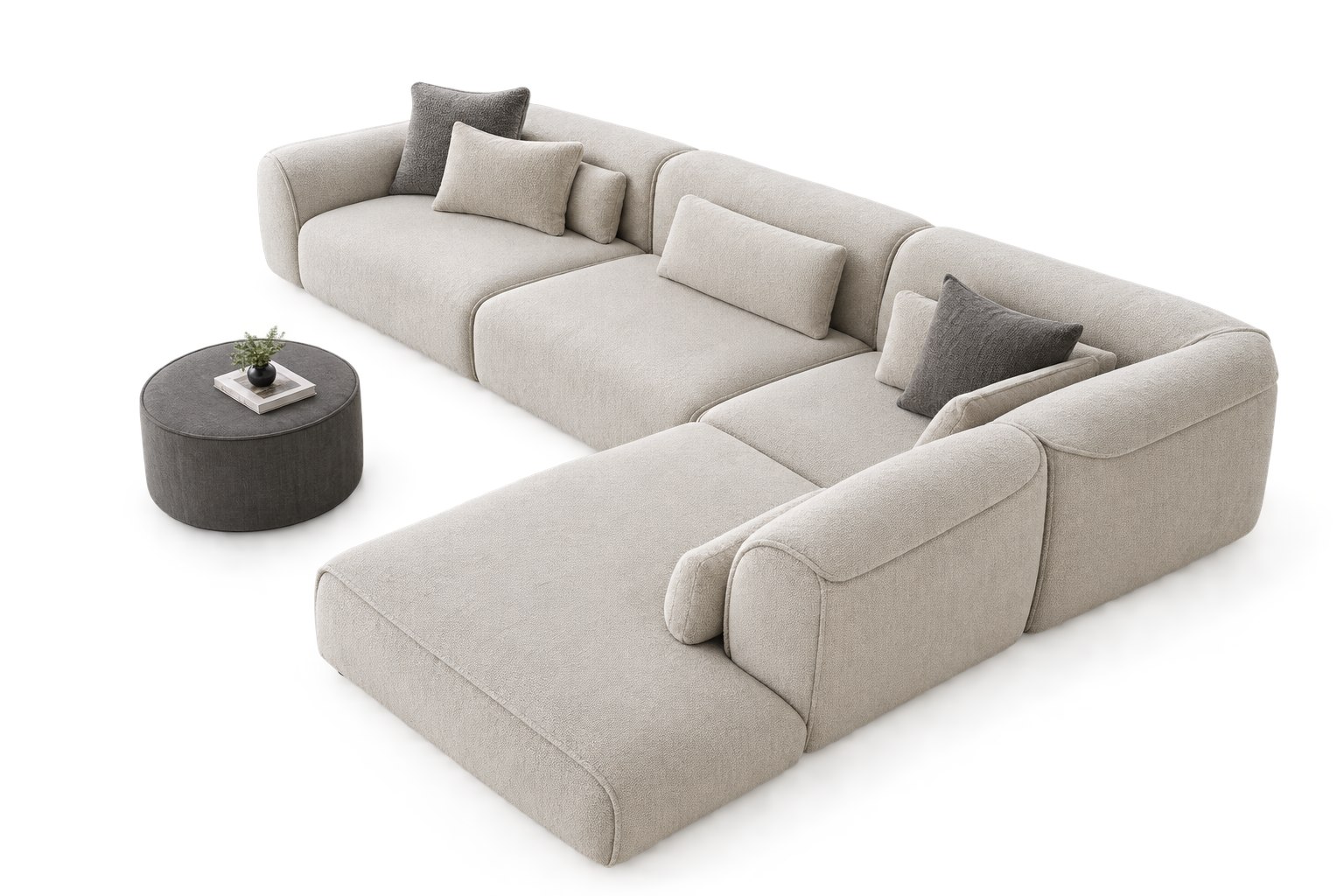
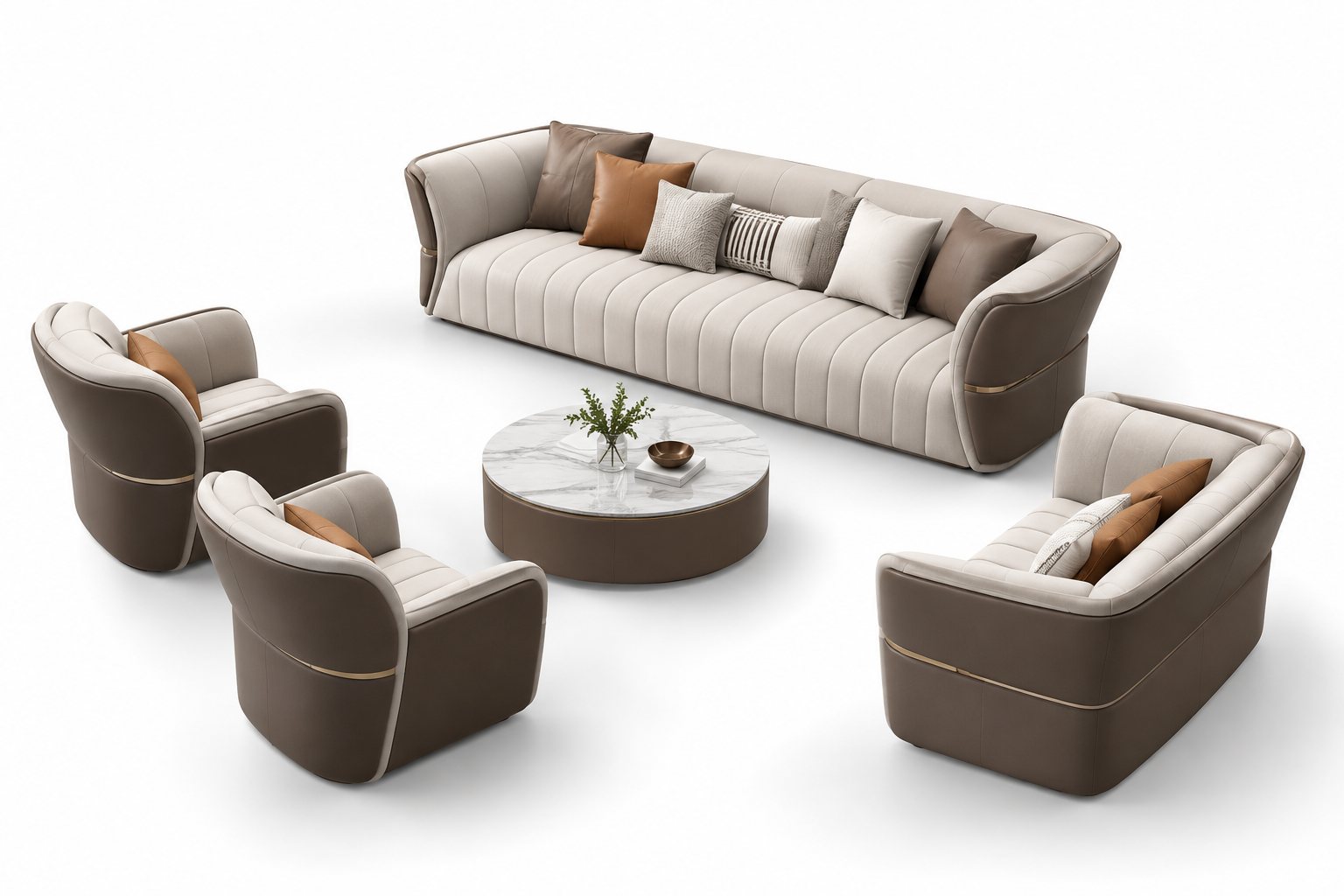
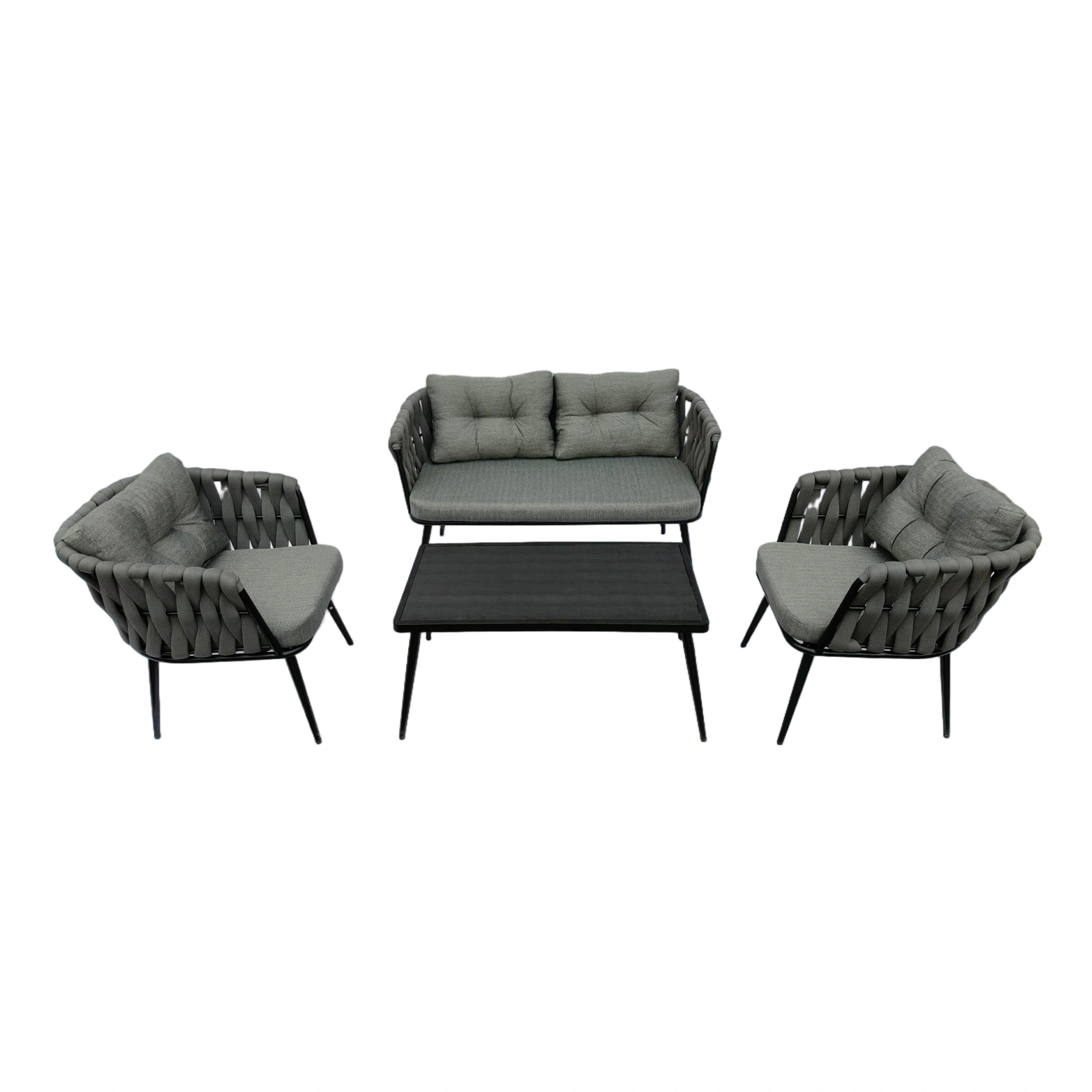
Let’s be real—working from home sounds amazing until your back starts hurting, your table’s too low, and your “office” is actually your dining chair. Sound familiar? Creating a productive and comfortable home office isn’t just about looking Pinterest-worthy. It’s about choosing the right home office furniture that makes you feel good and helps you get things done.
1.Why Your Workspace Shapes Your Mindset
Ever noticed how your mood shifts in different rooms? That’s because your environment plays tricks on your brain. A cluttered desk screams chaos, while a clean, well-lit workspace whispers “focus.”
Your workspace isn’t just physical—it’s psychological. It signals your brain when it’s time to work and when it’s time to relax. So, if you’re sitting on your couch with your laptop balancing on your knees, your brain’s confused: “Are we working or watching Netflix?”
To fix that, you need a dedicated space. And here’s the magic word: comfort. Comfort doesn’t mean laziness—it means reducing friction so your mind stays clear. Imagine your office chair hugging you just right, your ergonomic desk adjusted to your height, and your keyboard at the perfect angle. Suddenly, eight hours don’t feel like a marathon anymore.
2.Choosing the Right Furniture: Function Meets Comfort
Now, let’s talk about the fun part—shopping! But before you splurge, think strategically.
The Desk: Your Command Center
Your desk is like the captain’s bridge—it controls everything. Go for something sturdy and functional. If you’re short on space, L-shaped or adjustable desks are lifesavers. Standing desks? Perfect if you hate sitting all day. Just make sure it fits your height and work habits.
If your work involves multiple screens or sketches, a wider surface gives you breathing room. The goal is to prevent that “my desk is eating me alive” feeling.
The Chair: Don’t Compromise
You can skip the fancy lamp, but never skimp on the chair. Your spine will thank you. Look for an ergonomic office chair with lumbar support and adjustable height.
Think of it like buying a mattress—you spend a third of your life on it, so make it worth it.
Storage: Out of Sight, Out of Mind
Mess kills motivation. Simple as that. Use drawers, shelves, or rolling carts to keep clutter under control. Keep essentials within reach and hide distractions. The cleaner your workspace looks, the more productive you’ll feel.
Lighting: The Silent Hero
Good lighting = good energy. Natural light boosts your mood and focus, but if you’re stuck in a dark corner, a warm desk lamp can make all the difference. Avoid harsh white lights—they make your room feel like an interrogation scene.
3.Smart Design Hacks for Small Spaces
Not everyone has the luxury of a full office room, right? Maybe you’re squeezing your desk between your bed and the wall. No worries—design smart.
Go vertical. Use wall shelves instead of floor cabinets.
Choose foldable furniture. A desk that folds into the wall? Genius.
Use multi-functional pieces. An ottoman that stores cables? Yes, please.
Zoning tricks. Use a rug or a plant to visually separate your “office” from your “living” area.
Even in tiny spaces, thoughtful workspace design can make you feel like you’re working in a professional setup. A small corner with good lighting and organized furniture can outperform a big messy room any day.
4.The Balance Between Productivity and Comfort
Some people think efficiency means rigidity—like working at a bare desk with zero decoration. Nope. You’re not a robot.
Your workspace should feel like you. Add a plant, a candle, or a motivational quote on the wall. Personal touches help you stay connected and inspired.
But remember—balance is key. Too much decoration can distract you. Aim for that “cozy yet focused” vibe. If you wouldn’t want your boss to see it on Zoom, maybe it’s time to tidy up.
5.When to Upgrade Your Setup
Here’s the truth: even the best setup needs refreshment over time. Maybe your chair squeaks, your desk feels small, or you simply crave a change. Don’t ignore it. Small tweaks—like a monitor stand, a new lamp, or a softer mouse pad—can instantly boost comfort.
And if you’re serious about building a workspace that truly supports your productivity, check out this page for custom office furniture ideas.
Final Thoughts: Your Space, Your Success
A home office isn’t just a corner with a desk—it’s where ideas come alive. The right furniture can literally change how you think, move, and work. It’s like tuning an instrument before a performance—you’re setting yourself up for harmony.
So, next time you feel sluggish at work, don’t just reach for another cup of coffee. Look around your workspace. Maybe what you really need isn’t caffeine—it’s a better chair.