

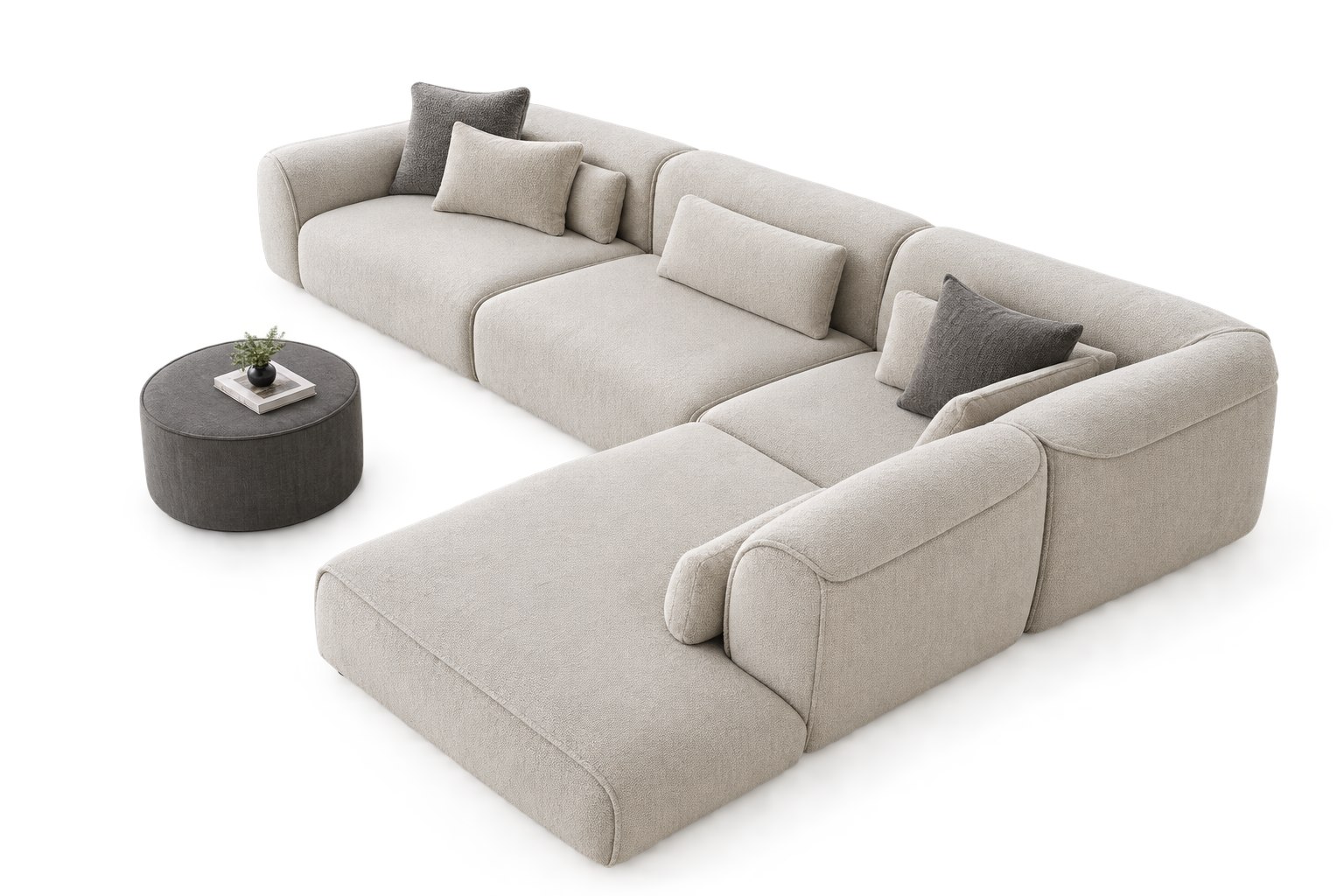
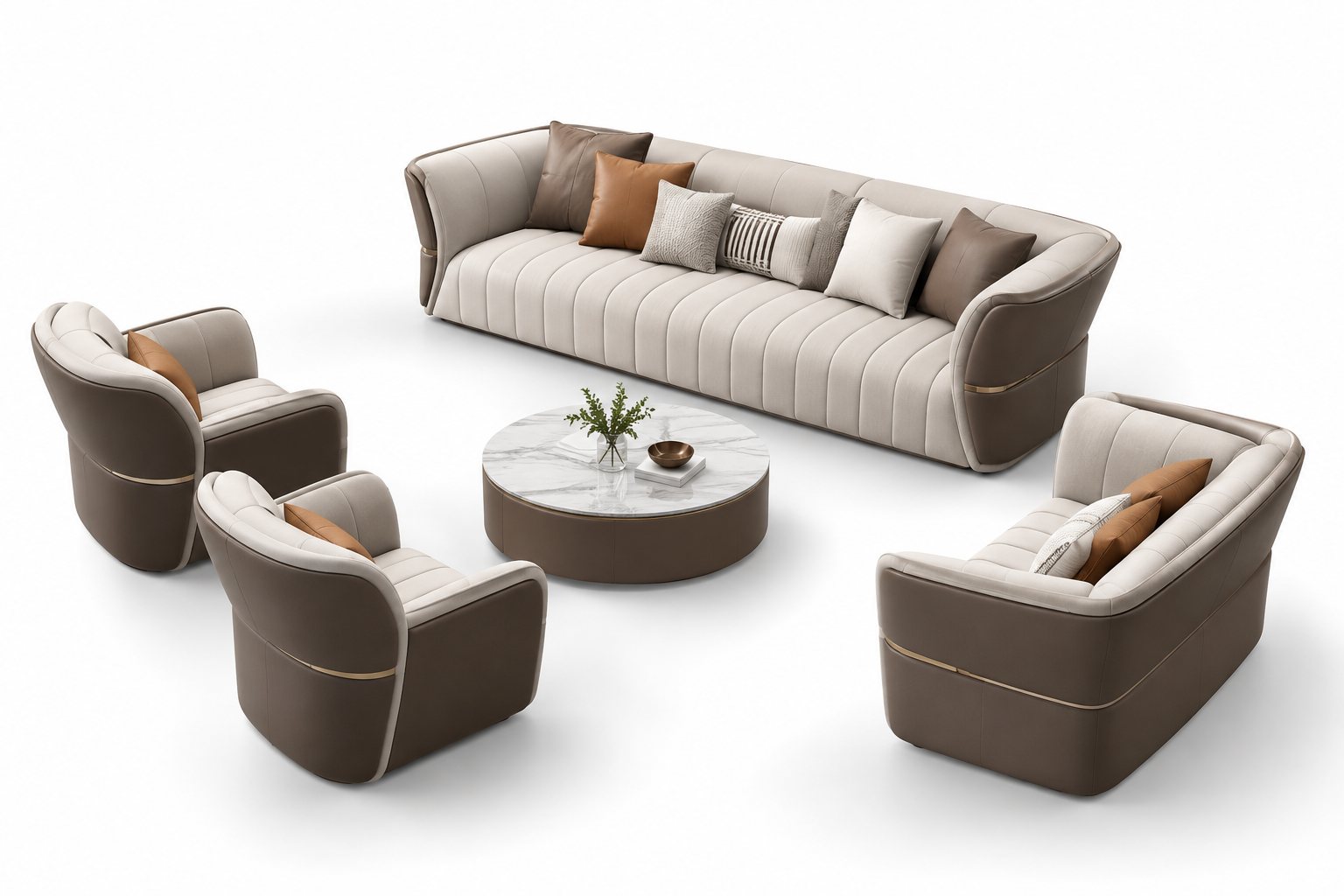
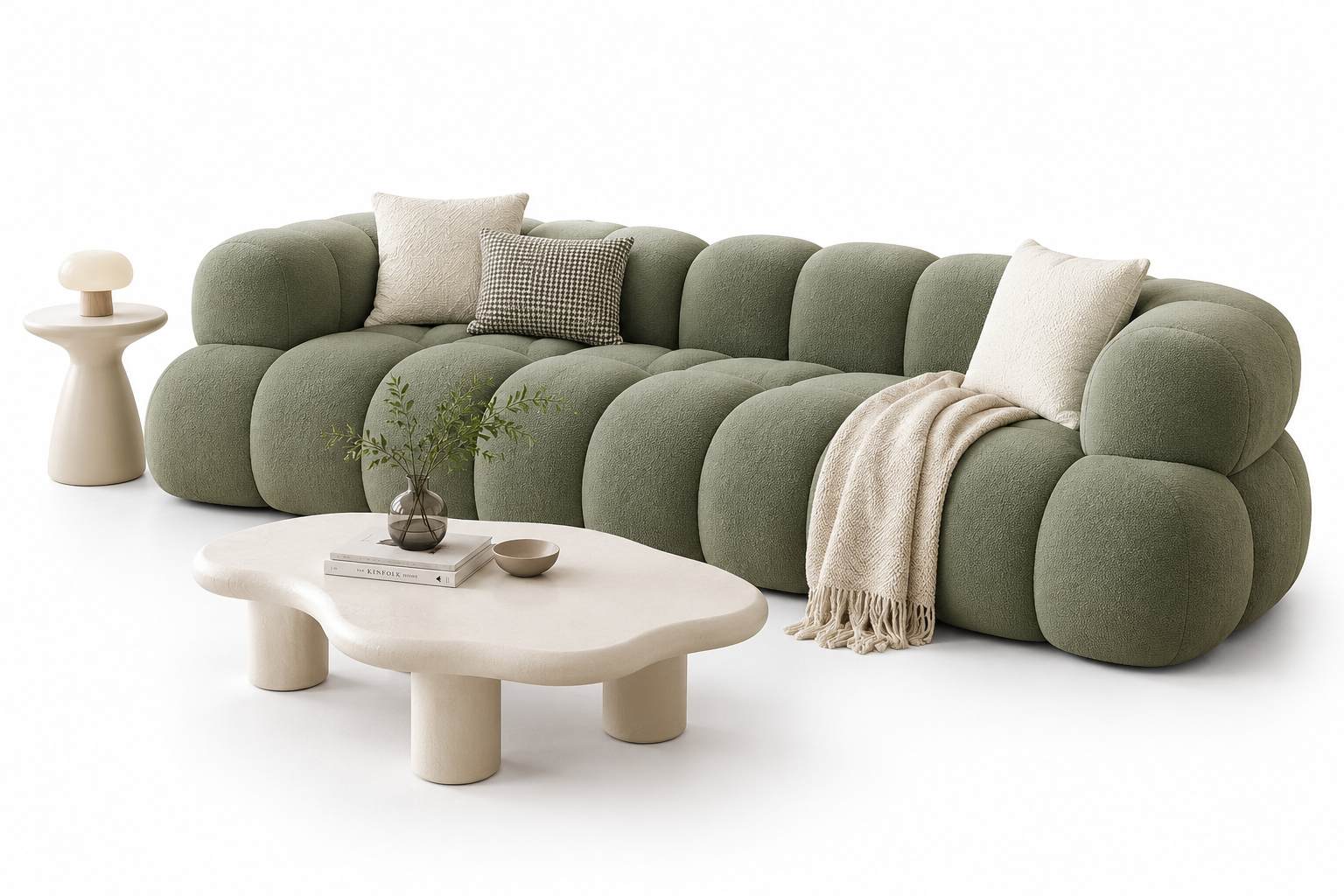
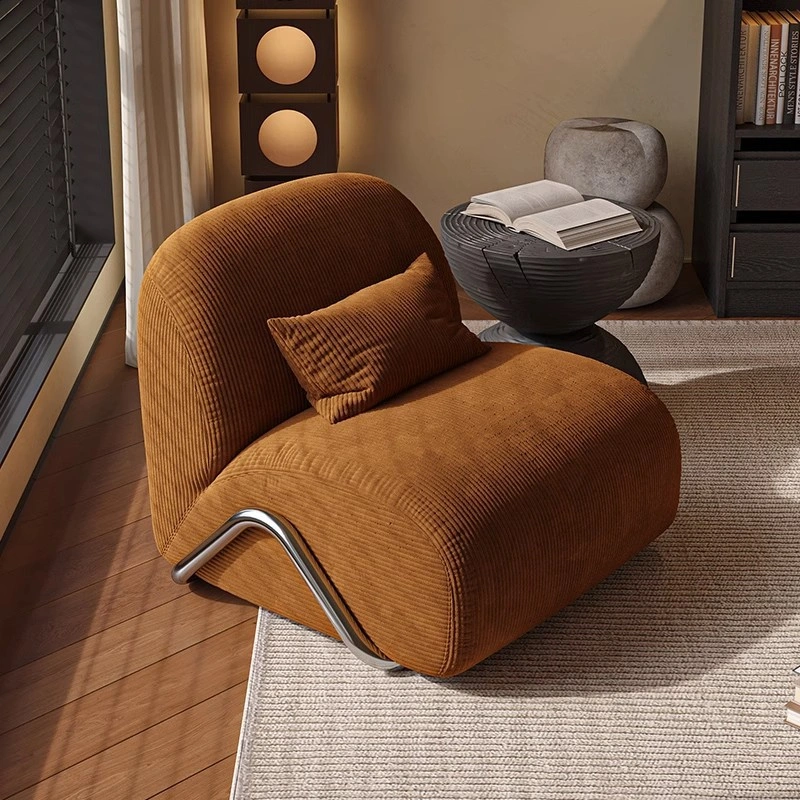
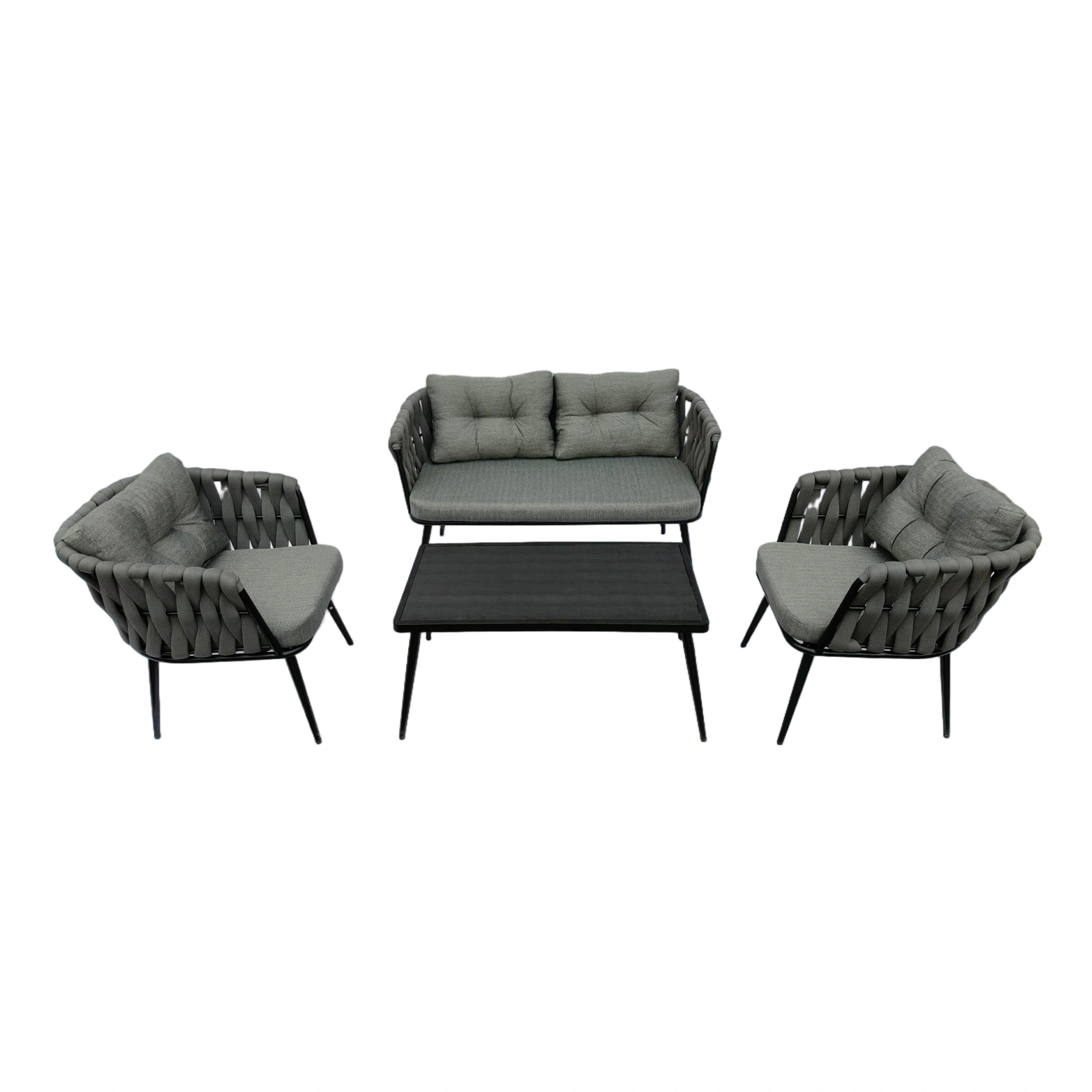
I. Why Small Home Office Furniture Is a Growing B2B Opportunity
If you’re sourcing home furniture in 2025, one thing is impossible to ignore: small home offices are everywhere.
Remote work is no longer a trend—it’s a long-term shift. From the U.S. and Europe to Australia and Southeast Asia, more people are working from apartments, shared spaces, and compact homes. And that creates a clear demand for smart, space-saving home office furniture.
For furniture buyers, wholesalers, and private-label brands, this is more than a design trend. It’s a product opportunity.
Consumers are no longer asking,
“Is this desk stylish?”
They’re asking,
“Does this desk actually work in my small space?”
That’s exactly where furniture manufacturers can stand out—by offering smart designs, flexible customization, and production-ready solutions for modern living.
II. What Global Buyers Look for in Small Home Office Furniture
From a factory perspective, understanding buyer pain points is everything.
1. Space Efficiency Comes First
Buyers sourcing for online retail or project supply consistently look for:
- Compact desk sizes
- Slim-profile chairs
- Modular or foldable designs
Why? Because end customers live in real homes—not showrooms.
A desk that looks great but takes up too much space simply won’t sell.
2. Functional Design Over Decorative Design
In B2B sourcing conversations, one phrase comes up again and again:
“Function sells faster than decoration.”
Buyers prefer:
- Desks with built-in storage
- Furniture that ships flat-packed
- Easy assembly structures
From a manufacturing standpoint, these features also mean:
- Lower shipping costs
- Fewer complaints
- Better customer reviews
A win on both sides.
3. Ergonomics Is No Longer Optional
Ten years ago, ergonomics was a “premium feature.”
Today, it’s a basic requirement.
Buyers increasingly ask for:
- Ergonomic office chairs with lumbar support
- Proper desk height standards
- Adjustable components
Factories that can produce compact ergonomic furniture for small spaces immediately gain a competitive edge.
III. Smart Furniture Designs That Perform Well in the Market
From a manufacturer’s and supplier’s perspective, certain product types consistently perform well in B2B orders.
1. Compact & Foldable Office Desks
Foldable desks, wall-mounted desks, and slim writing desks are among the best-selling SKUs for small home offices.
Why buyers love them:
- Easy to market
- Ideal for apartments
- Reduced shipping volume
From production to logistics, these desks are efficient products for factories to scale.
2. Multifunctional Furniture for Small Spaces
Buyers increasingly favor multi-use furniture:
- Desk + storage
- Shelf + workspace
- Cabinet + workstation
These designs allow brands to:
- Reduce SKU count
- Increase perceived value
- Improve margins
For manufacturers, this means focusing on smart structure design, not just appearance.
3. Space-Saving Ergonomic Office Chairs
A bulky office chair doesn’t fit small homes.
That’s why compact ergonomic chairs are in demand.
Key buyer requirements often include:
- Lightweight frames
- Stackable or slim designs
- Durable materials for long-term use
Factories that can balance comfort + compact size are far more attractive to overseas buyers.
IV. What Buyers Expect from a Reliable Furniture Manufacturer
Design matters—but factory capability matters more in B2B.
1. Customization & Private Label Support
Most buyers don’t want generic products. They want:
- Custom dimensions
- Material options
- Color matching
- Logo or brand packaging
A furniture factory that offers OEM / ODM services immediately builds trust with professional buyers.
2. Consistent Quality & Compliance
International buyers care deeply about:
- Material quality
- Load testing
- Stability standards
- Safety compliance
Clear quality control processes and documented testing standards make sourcing decisions much easier.
3. Production Capacity & Lead Time Transparency
Buyers don’t expect miracles—but they expect honesty.
Factories that clearly communicate:
- MOQ requirements
- Production lead times
- Packaging solutions
are far more likely to build long-term partnerships, not just one-time orders.
V. Why Buyers Prefer Working Directly with Furniture Factories
From a buyer’s perspective, sourcing directly from a furniture manufacturer offers clear advantages.
- Better pricing control
- Direct communication
- Faster customization
- More stable supply chain
From a factory’s perspective, it means:
- Higher-margin orders
- Brand-level cooperation
- Repeat business
That’s why more global brands are moving away from trading companies and choosing direct factory sourcing instead.
VI. Small Home Office Furniture: A Long-Term Category, Not a Trend
Small home office furniture is not seasonal. It’s not tied to one region. And it’s not going away.
For B2B buyers, this category offers:
- Stable year-round demand
- Strong e-commerce compatibility
- High repeat purchase potential
For manufacturers, it’s a chance to:
- Build a focused product line
- Optimize production efficiency
- Strengthen global buyer relationships
When smart design meets reliable manufacturing, everyone wins.
VII. Final Thoughts for Buyers and Partners
If you’re a furniture buyer, wholesaler, or brand owner looking to expand your home office product line, smart furniture for small spaces is one of the most strategic categories you can invest in right now.
And if you’re working with the right furniture factory—one that understands design, function, customization, and quality—you’re not just sourcing products.
You’re building a scalable business.
Small spaces don’t limit opportunity.
They create it.
✅ B2B SEO Keywords Naturally Embedded
- furniture manufacturer
- home office furniture factory
- smart furniture supplier
- small home office furniture
- OEM furniture manufacturer
- office furniture supplier
- ergonomic office chair manufacturer
- space-saving furniture factory