

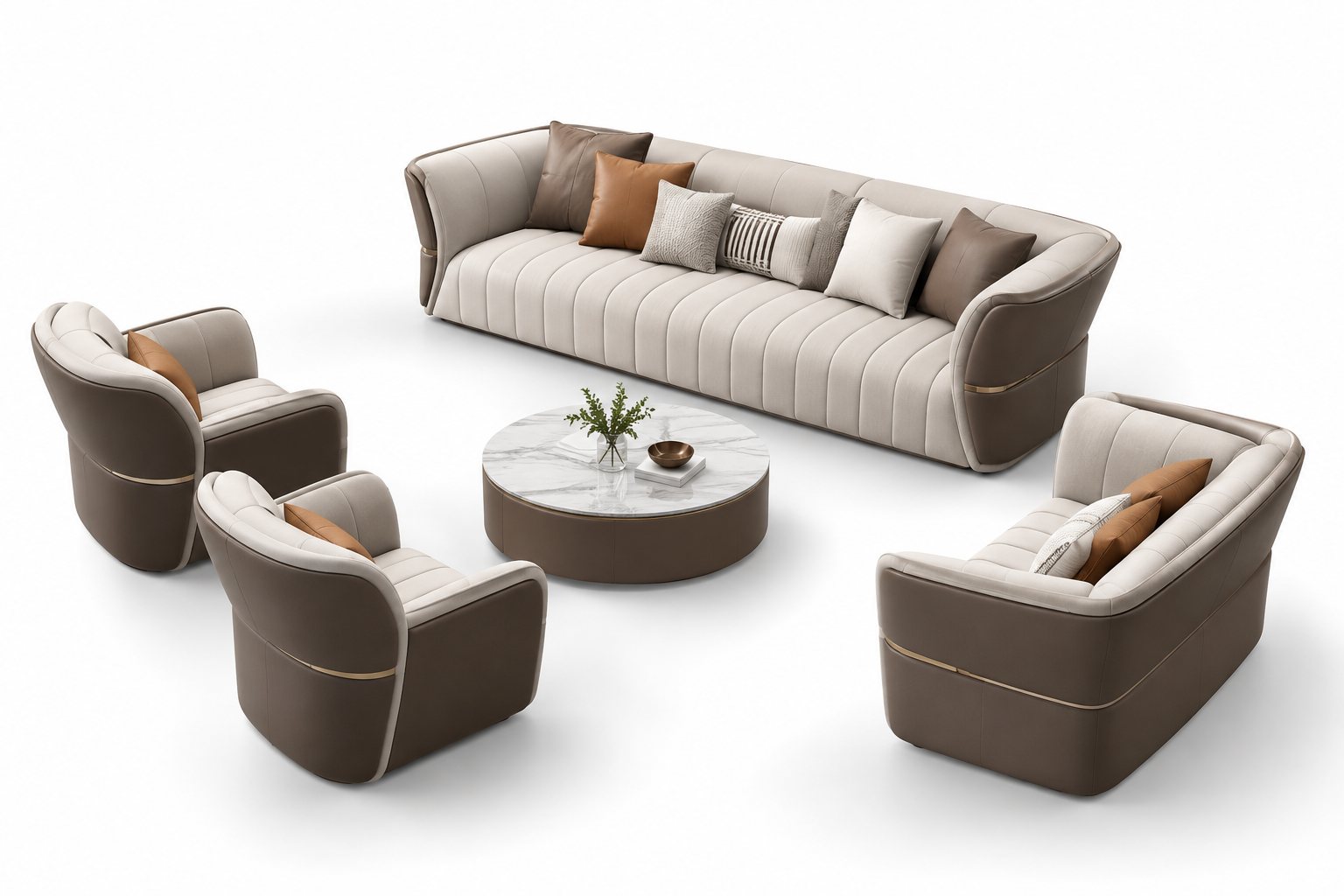
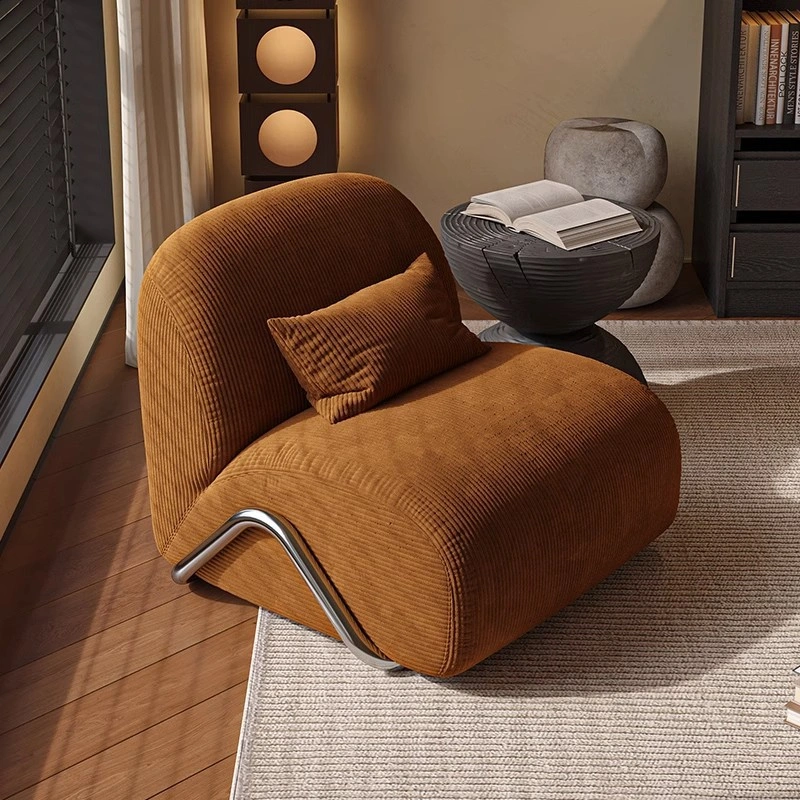
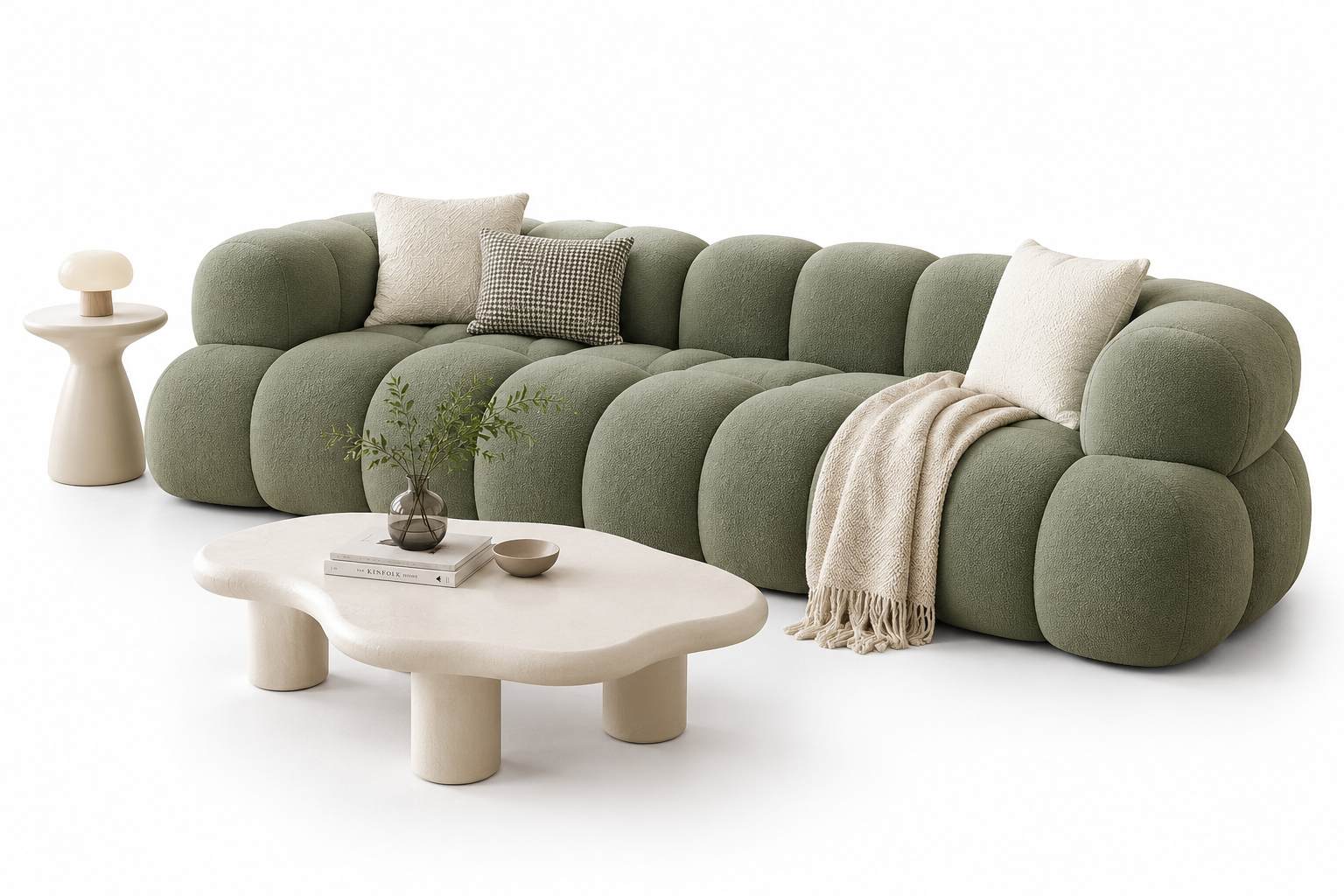
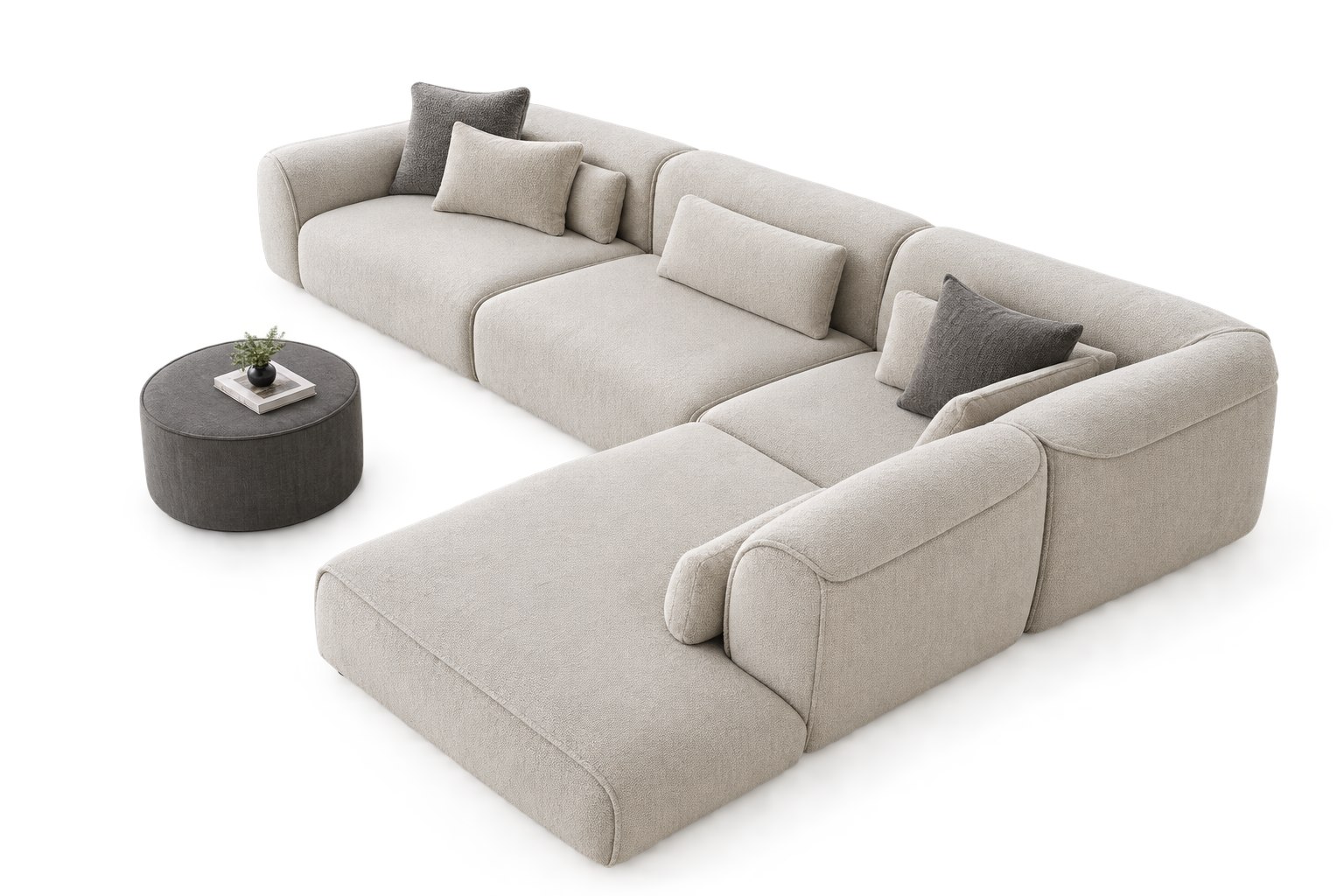
— A Furniture Manufacturer’s Perspective
Let’s be honest — the home office is no longer just a desk pushed into the corner of a bedroom. In 2026, it has become a lifestyle space, a productivity hub, and a serious growth category for global brands.
From our experience as a home office furniture manufacturer, one shift is impossible to ignore: brands are no longer asking “What sells fast?” They’re asking, “What truly works for how people live and work today?”
And that question is reshaping how home office furniture is designed, manufactured, and sourced worldwide.
So what’s really changing in 2026? And what should B2B buyers know before placing their next bulk order?
Let’s dive in.
1. Home Office Furniture in 2026 Is Designed for Real Homes
Scroll through LinkedIn, Instagram, or design news platforms, and you’ll notice the same pattern everywhere: real homes, lived-in spaces, and practical work setups.
In 2026, modern home office furniture is no longer about oversized desks made for showrooms. Instead, global brands are prioritizing:
-
Compact office furniture for apartments and hybrid living spaces
-
Modular home office furniture that adapts to different layouts
-
Clean aesthetics combined with real functionality
From a furniture manufacturer standpoint, this shift favors scalable design. One modular structure can support multiple SKUs, price points, and regional variations — a major advantage for B2B home office furniture programs.
Think of it like building blocks: fewer components, more combinations. That’s efficient design — and smart furniture sourcing.
2. Why B2B Buyers Are Choosing the Right Furniture Manufacturer More Carefully
Here’s a question we hear constantly in 2026:
“Can you customize this without increasing lead time?”
That single question explains why more brands are moving away from trading companies and choosing a direct manufacturer instead.
Working directly with a home office furniture manufacturer allows B2B buyers to:
-
Customize materials, finishes, and dimensions for local markets
-
Control MOQ and lead time more precisely
-
Maintain consistent quality control across mass production
-
Build long-term OEM and ODM furniture collections
For global brands, the manufacturer is no longer just a supplier — it’s a strategic partner.
To better understand how a factory-driven brand supports global sourcing and long-term cooperation, you can learn more about us and our manufacturing approach.
3. Ergonomic Furniture Has Become a Basic Requirement
Remote and hybrid work are no longer trends — they’re permanent.
As a result, ergonomic home office furniture is no longer a premium feature. It’s an expectation.
From a B2B home office furniture perspective, this means:
-
Chairs must support long working hours
-
Desks must adapt to sit-stand lifestyles
-
Materials must balance comfort with durability
As a furniture manufacturer, we see growing demand for ergonomic solutions that can still be produced efficiently for bulk orders. The challenge is keeping performance high without pushing costs beyond market expectations.
Brands that solve this balance will lead their categories in 2026.
4. Customization at Scale Through OEM and ODM Furniture
In 2026, global brands don’t want generic products.
They want custom furniture — but without complexity or risk.
That’s where OEM and ODM furniture strategies come in. Instead of starting from scratch, brands work with a direct manufacturer to customize:
-
Surface finishes and color palettes
-
Material combinations
-
Packaging and branding
-
Functional details for specific regions
For B2B buyers, this approach lowers development risk while preserving brand identity. For manufacturers, it creates long-term cooperation instead of one-off projects.
It’s not just furniture sourcing — it’s co-creation.
5. Sustainability Is Now a B2B Decision Factor
Sustainability is no longer just a consumer talking point. In 2026, it directly affects B2B purchasing decisions.
Sustainable furniture manufacturing now influences:
-
Retail and distribution partnerships
-
Corporate procurement standards
-
Brand compliance and storytelling
As a home office furniture manufacturer, we see increasing demand for:
-
FSC-certified materials
-
Recyclable or reduced packaging
-
Durable designs that reduce return rates
For B2B buyers, working with a manufacturer that understands sustainability at the factory level is no longer optional — it’s a competitive advantage.
6. Why Smart Brands Source Home Office Furniture Directly from Factories
Let’s be practical.
Margins are tight. Timelines are shorter. Mistakes are expensive.
That’s why more brands are sourcing home office furniture directly from a furniture manufacturer, rather than through multiple intermediaries.
Direct factory cooperation offers:
-
More competitive pricing for bulk orders
-
Faster response during product adjustments
-
Transparent communication on lead time and capacity
-
Stable and reliable quality control
For growing brands, this direct relationship often becomes the foundation for global expansion.
Final Thoughts: 2026 Is the Year of Smarter Home Office Furniture
In 2026, home office furniture is no longer just a product category. It’s a complete system — where design, ergonomics, manufacturing, and sourcing must work together.
For global brands and B2B buyers, success depends on choosing the right home office furniture manufacturer, not simply the lowest price.
Because the best furniture doesn’t demand attention.
It supports quietly — just like a well-designed workspace should.