

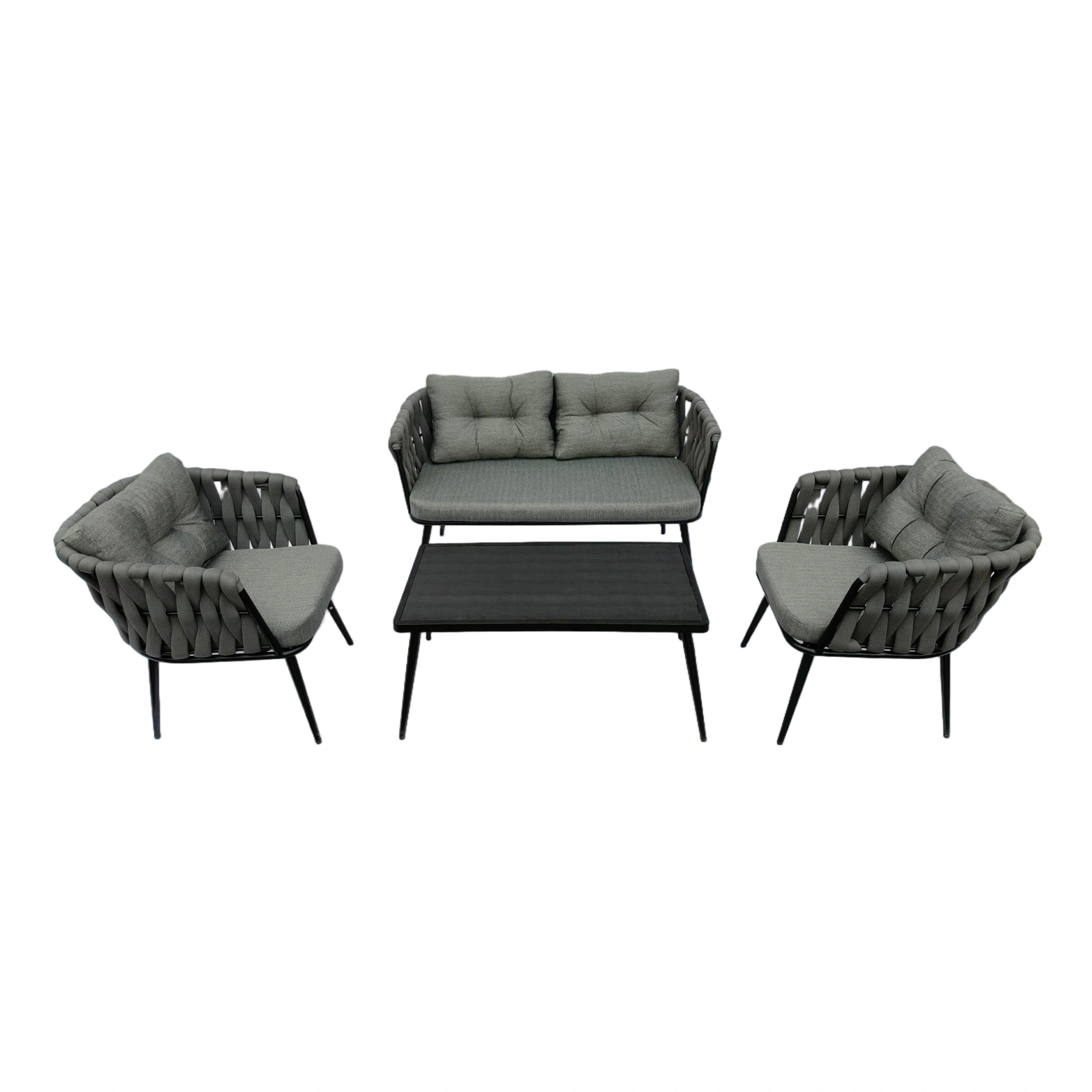
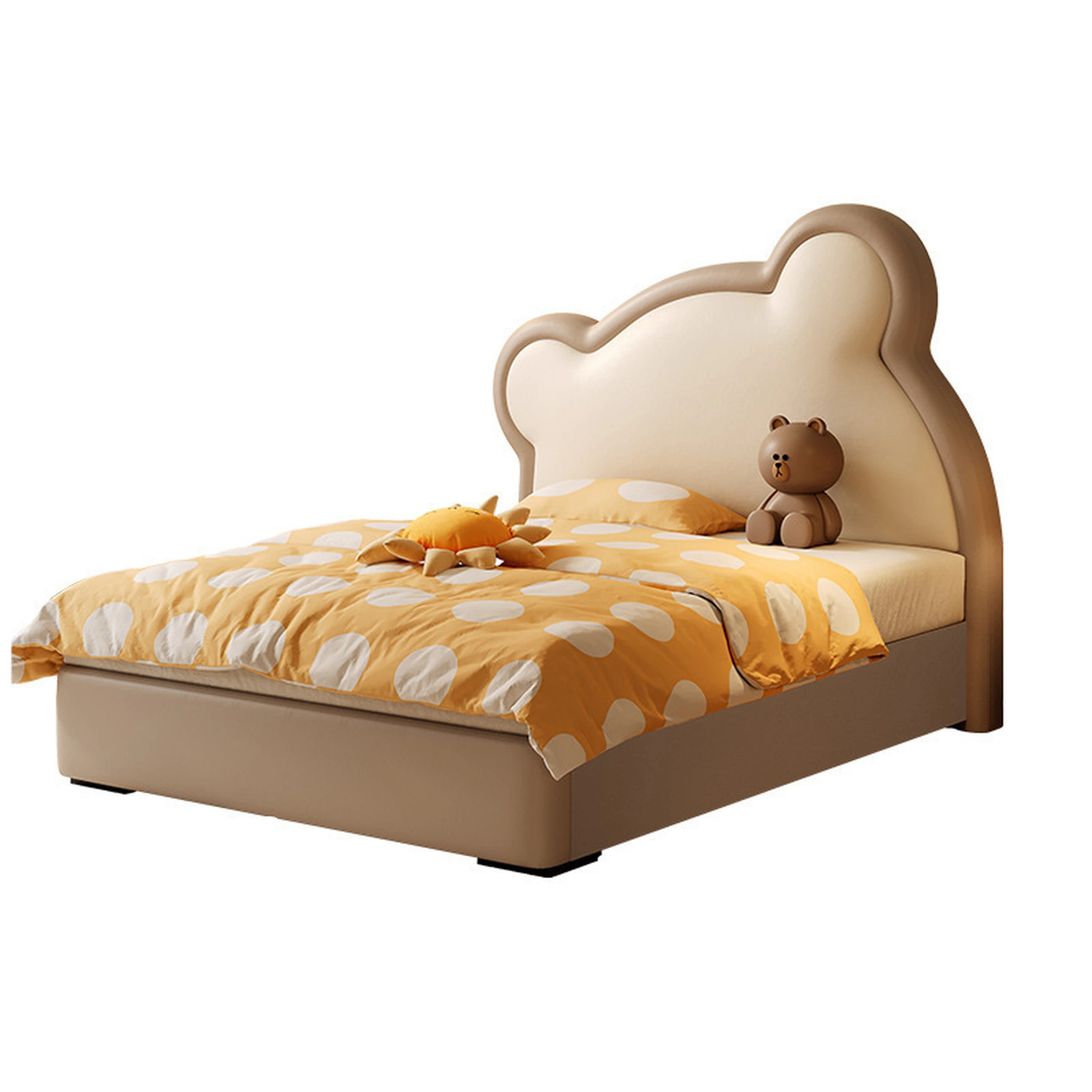
Customization used to be a red flag in custom furniture manufacturing.
For many B2B buyers, it meant longer lead times, unstable quality, and rising costs. Custom products sounded attractive on paper, but risky in reality—especially when dealing with bulk furniture orders.
Today, that mindset has changed.
Modern furniture manufacturers are proving that customization and efficiency are no longer opposites. With the right systems in place, factories can now deliver OEM furniture solutions that are both flexible and scalable.
So how do they do it? Let’s break it down from the factory floor.
1. Customization Today Is Built on Systems, Not One-Off Requests
The biggest shift in custom furniture manufacturing is this:
manufacturers no longer start from scratch for every order.
Instead, experienced OEM furniture manufacturers develop standardized product platforms that support controlled customization. These platforms allow buyers to customize finishes, colors, dimensions, materials, and packaging—without disrupting scalable furniture production.
For B2B buyers, this system-based approach reduces uncertainty and makes custom furniture predictable, repeatable, and commercially viable.
2. Modular Design Is the Foundation of Efficient Customization
At the heart of efficient customization is modular furniture design, a system widely used by reliable furniture factories serving global markets. Instead of developing entirely new products for every request, manufacturers build custom furniture manufacturing platforms around standardized core structures. Frames, connectors, and key components are shared across multiple models, allowing variations in size, surface materials, finishes, and hardware without interrupting bulk furniture production. This approach significantly reduces tooling changes, shortens setup time, and maintains consistent quality across large volumes. For B2B buyers, modular design delivers faster time to market, stable lead times, and lower unit costs when sourcing from an experienced OEM and private label furniture manufacturer.
3. Standardized Processes Keep Custom Orders Efficient
Customization becomes inefficient only when processes are unclear.
High-performing furniture manufacturers rely on standardized workflows to support customization at scale. These include fixed customization menus, clear approval stages, locked specifications before production, and digital documentation systems.
Rather than handling endless revisions, buyers choose from pre-approved materials, finishes, and packaging options—ensuring that custom furniture orders move smoothly through production without delays.
4. Digital Systems Control Complexity in Custom Furniture Production
Efficiency today is driven by data.
Advanced furniture factories use ERP systems and BOM management tools to track materials, components, and order variations in real time. This allows manufacturers to instantly evaluate cost, lead time, and feasibility when handling OEM furniture orders.
By controlling complexity digitally, manufacturers protect efficiency while supporting customization—especially for large-scale furniture manufacturing projects.
5. Early Customization Decisions Protect Lead Time and Quality
One of the biggest risks in bulk furniture manufacturing is late-stage customization.
Experienced manufacturers guide buyers to finalize specifications early—before mass production begins. This prevents rework, reduces material waste, and ensures stable delivery schedules.
For B2B buyers, early alignment translates into higher production consistency and fewer surprises during fulfillment.
6. Flexible Production Lines Enable Scalable Customization
Modern furniture manufacturing facilities are designed for flexibility—not just speed.
Adjustable jigs, modular assembly stations, and multi-skilled production teams allow factories to handle multiple customized SKUs simultaneously. By grouping similar variations into planned production batches, manufacturers maintain high efficiency even when supporting custom OEM furniture projects.
7. Packaging and Logistics Are Part of the Customization Strategy
Customization doesn’t end with the product.
Leading OEM furniture manufacturers integrate packaging and logistics into the customization process. Private-label cartons, flat-pack optimization, and market-specific labeling are developed alongside the product—not after.
This approach improves container efficiency, reduces damage during shipping, and lowers logistics costs for bulk furniture buyers.
8. Experience Turns Customization into a Competitive Advantage
From the buyer’s perspective, working with an experienced furniture factory feels effortless.
Behind that simplicity are years of production data, refined systems, and continuous process optimization. Manufacturers with global market experience can support customization smoothly—without sacrificing efficiency or quality.
This is why global brands prefer long-term partnerships with reliable furniture manufacturers, rather than switching suppliers frequently.
9. What B2B Buyers Should Look for in a Custom-Capable Furniture Manufacturer
When evaluating a supplier for custom furniture manufacturing, B2B buyers should ask:
- Do you offer modular product platforms?
- How do you control quality across custom variations?
- What systems manage OEM specifications?
- Can you scale customized designs for multiple markets?
- How do you support private label furniture production?
The answers reveal whether a manufacturer can truly balance customization and efficiency.
Final Thoughts: Customization and Efficiency Can Scale Together
Customization no longer means complexity.
Efficiency no longer means limitation.
Today’s leading furniture manufacturers combine modular design, standardized processes, and digital systems to deliver custom furniture at scale.
For B2B buyers, this means:
- Differentiated products
- Predictable lead times
- Stable costs
- Long-term supply reliability
In a competitive global market, the most successful brands don’t choose between customization and efficiency.
They choose manufacturers who deliver both.