

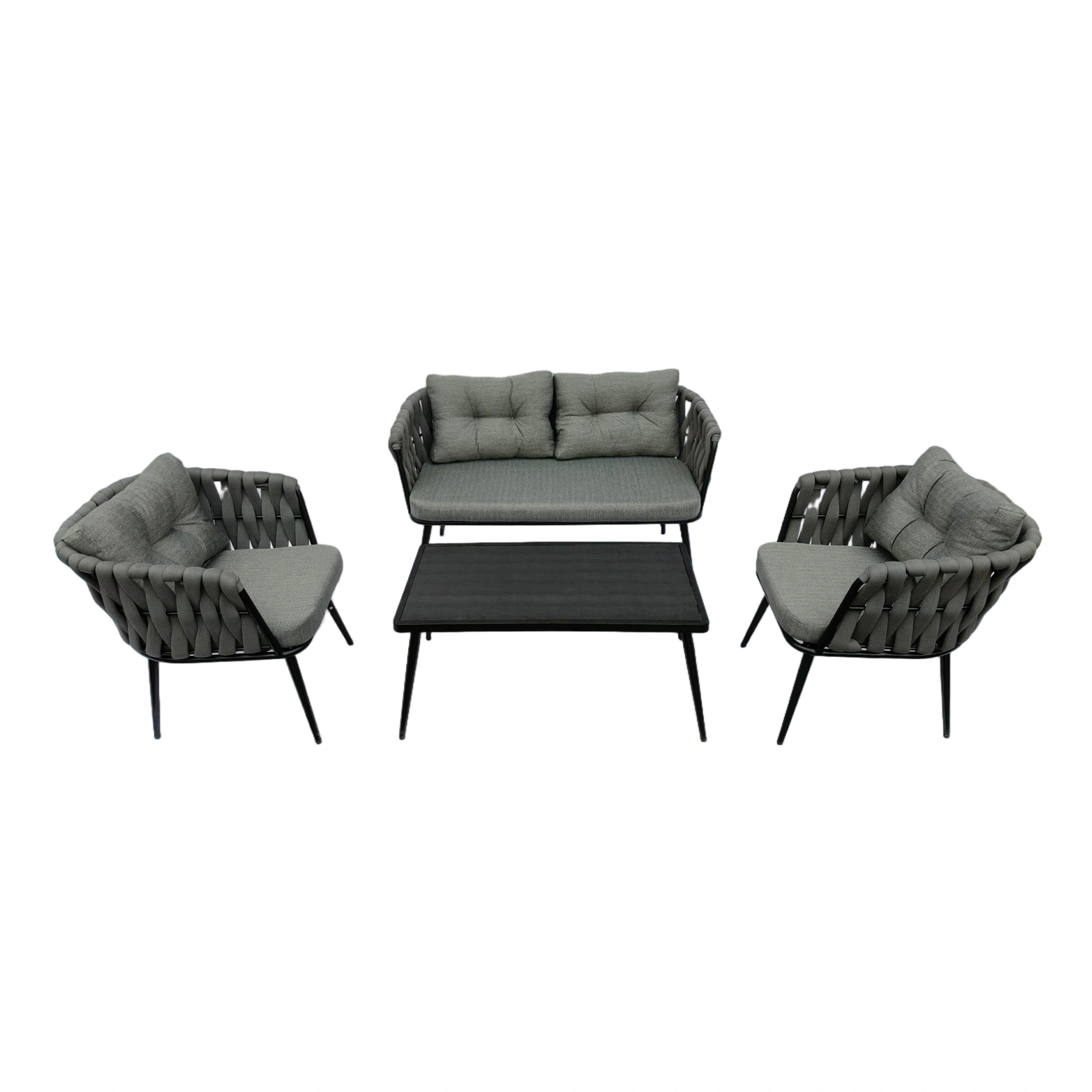
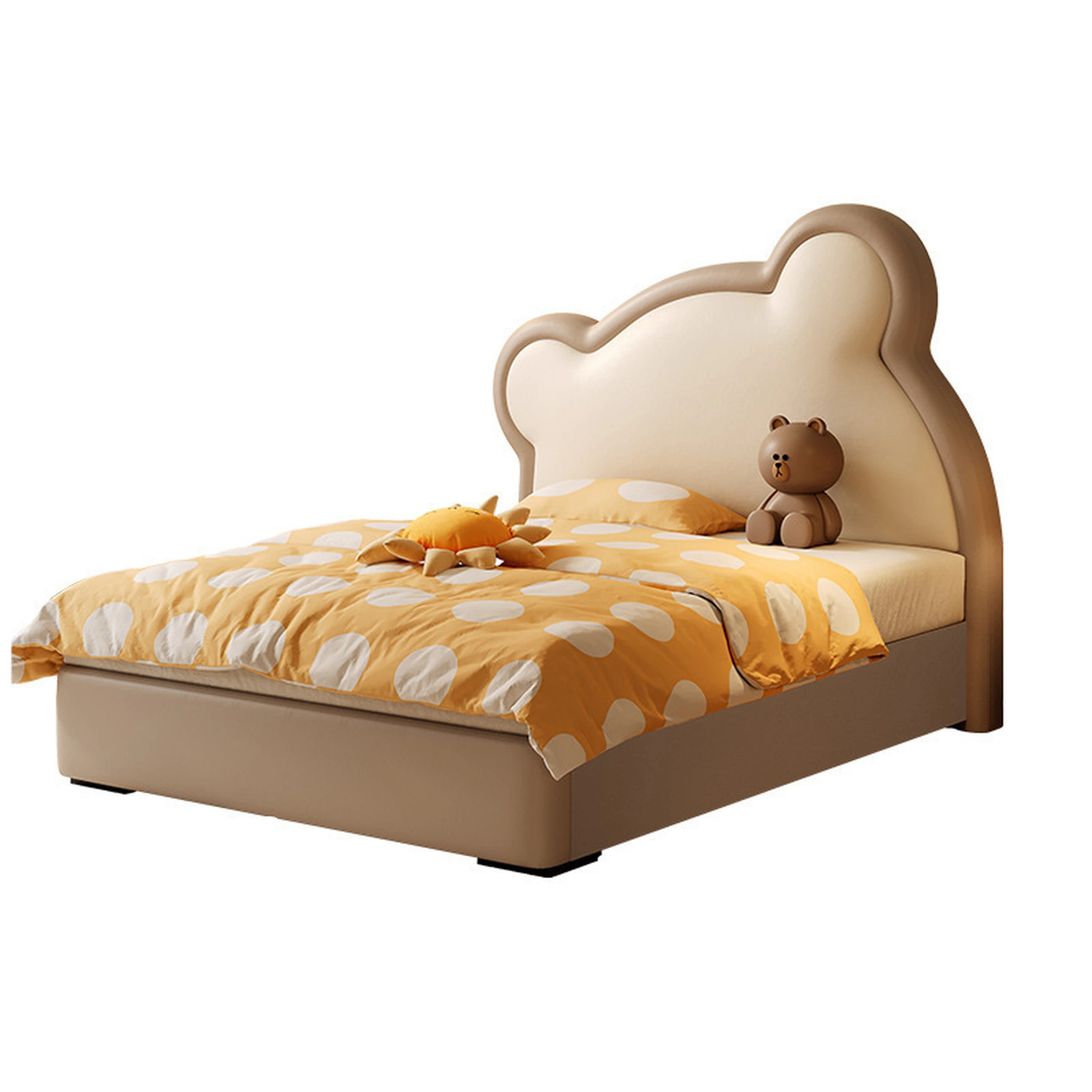
Global demand for Chinese furniture is booming today.
Every buyer faces one critical decision.
Choosing a China furniture manufacturer vs trading company matters.
It impacts your costs and quality control.
In this post, we will explore both models.
You will learn to make a profitable choice.
Understanding the Direct Furniture Factory
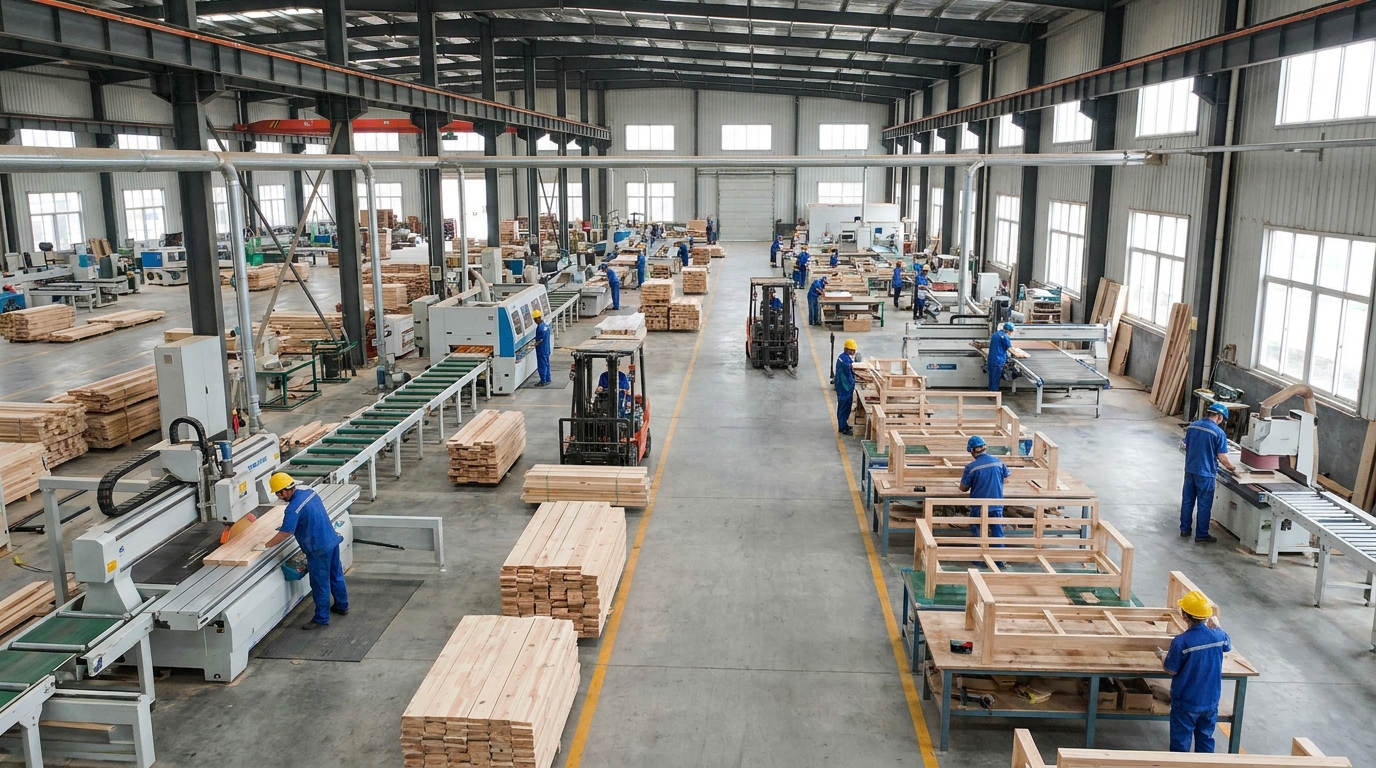
To make a profitable choice, you must first understand the creators. A direct furniture factory physically builds your products. They sit at the very beginning of the supply chain. Instead of marketing or trading, they focus entirely on physical creation.
Core Focus and Operations
These facilities transform raw materials into finished goods. They invest heavily in heavy machinery, specialized labor, and raw material processing. Production line management is their daily reality. Their goal is maximizing output efficiency while controlling manufacturing costs.
A true manufacturer handles the engineering. They cut the timber, weld the steel, and stitch the upholstery. Because they own the production lines, their minimum order quantities (MOQs) are usually high. You can expect requirements like one 40HQ container per style or 30 to 50 units per SKU. Production cycles typically take 30 to 60 days.
Why Choose an OEM Partner?
Many buyers need custom designs or private labeling. If this is your goal, partnering directly with an Fábrica de mobiliário OEM makes sense. You speak directly to the engineers shaping your product. This eliminates communication gaps. Technical specifications do not get lost in translation through a middleman.
Working directly alongside the source also means avoiding extra fees. You bypass the typical 10% to 30% price markup added by trading companies. You secure pure factory-direct pricing.
Location and Verification
Real factories require massive floor space. They do not operate out of high-rise office buildings in central business districts. Instead, they cluster in sprawling industrial zones. Roughly 80% of China’s furniture production happens in Guangdong province. Cities like Foshan, Shunde, and Dongguan serve as global manufacturing hubs.
You can verify a true manufacturer by checking their business license. The “Scope of Business” section must include specific Chinese terms.
| Verification Factor | Direct Manufacturer Characteristics |
|---|---|
| Geographic Location | Industrial zones (e.g., Longjiang Town in Shunde) |
| Business License Terms | “Production” (生产), “Manufacturing” (制造), or “Processing” (加工) |
| Core Capabilities | Raw material processing, R&D, physical assembly |
| Typical MOQs | High (e.g., 1x20GP/40HQ or 30+ units per SKU) |
Navigating these massive industrial clusters can feel overwhelming for overseas buyers. Homefurnitureliving solves this through our “Industrial Cluster + Digital Operation” model. We unite top-tier manufacturing lines in these exact hubs. We conduct strict on-site inspections and rigorous capacity evaluations at every partner facility. This guarantees you secure factory-direct cost-efficiency backed by comprehensive quality control.
Understanding the Furniture Trading Company
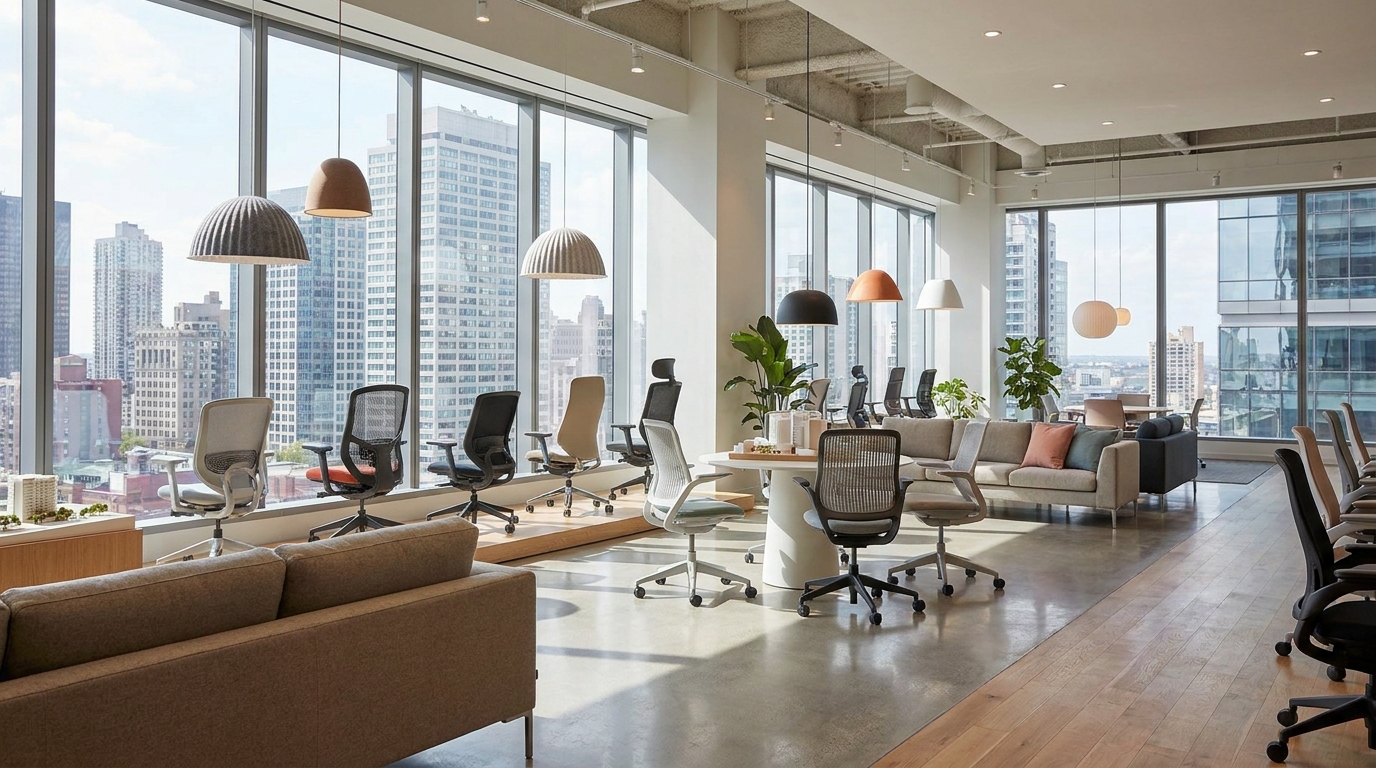
While direct manufacturers operate massive facilities inside industrial zones, another entity plays a completely different role. You must understand the furniture trading company to evaluate your options fully. These businesses act as intermediaries. They do not own production lines, heavy machinery, or raw materials.
Instead of building physical products, they connect overseas buyers to local factories. If you check their business license, you will see terms like “Wholesale” (批发) or “Trade” (贸易). You will usually find their offices in high-rise buildings located inside central business districts like Guangzhou or Shenzhen.
Curating Comprehensive Catalogs
Traders operate by sourcing products from multiple different factories. This strategy allows them to curate massive, comprehensive catalogs. A single factory specializes in one category, like office chairs. A trading company can offer sofas, beds, lighting, and outdoor sets all at once.
This “one-stop shop” approach works well for complex projects. If you need to furnish an entire hotel, you require dozens of product categories. Sourcing these items individually from 20 different factories takes immense time and effort. Traders consolidate this process into one point of contact.
The Primary Value Proposition
Trading companies provide specific services to justify their role. They primarily focus on bridging the communication gap. Their sales teams speak fluent English and respond quickly during Western business hours. They also handle complex export paperwork. This includes managing the Bill of Lading (B/L), Commercial Invoice, and Packing List.
As we covered earlier, direct factories demand high minimum order quantities. Trading companies solve this hurdle. They frequently offer much lower MOQs, sometimes allowing just 1 to 5 units per SKU. They can also consolidate goods from five different factories into a single “mixed container.” This saves you significant shipping and customs clearance costs.
However, traditional middlemen can sometimes obscure the supply chain. Modern B2B furniture sourcing platforms offer a smarter alternative. Homefurnitureliving integrates logistics and cross-border customs clearance directly. We ensure a seamless experience from your initial inquiry to final delivery. We combine the convenience of a trader and the reliability of a direct factory.
Financial Structure and Profit Margins
You pay a premium for these intermediary services. Trading companies typically add a 10% to 30% margin over the original factory prices. This markup covers their operational overhead, English-speaking staff, and service fees. It directly increases your final purchase price.
Professional traders also factor in government incentives. Exporting entities in China receive a 13% VAT refund. Smart trading firms use this rebate to lower their markups. This strategy helps them stay somewhat competitive against pure factory-direct pricing.
Consider the trade-offs before choosing a wholesale furniture supplier China. You trade lower upfront product costs for convenience and lower MOQs.
| Service Area | How Trading Companies Operate | Impact on the Buyer |
|---|---|---|
| Product Range | Source from multiple diverse factories | Access to a “one-stop shop” catalog |
| Order Size | Allow mixed-item containers | Lower MOQs (1-5 units per SKU) |
| Pricing Structure | Add service markups and claim VAT rebates | 10% to 30% higher unit costs |
| Documentation | Handle export paperwork and customs | Smoother logistics process |
China Furniture Manufacturer vs Trading Company: Core Differences
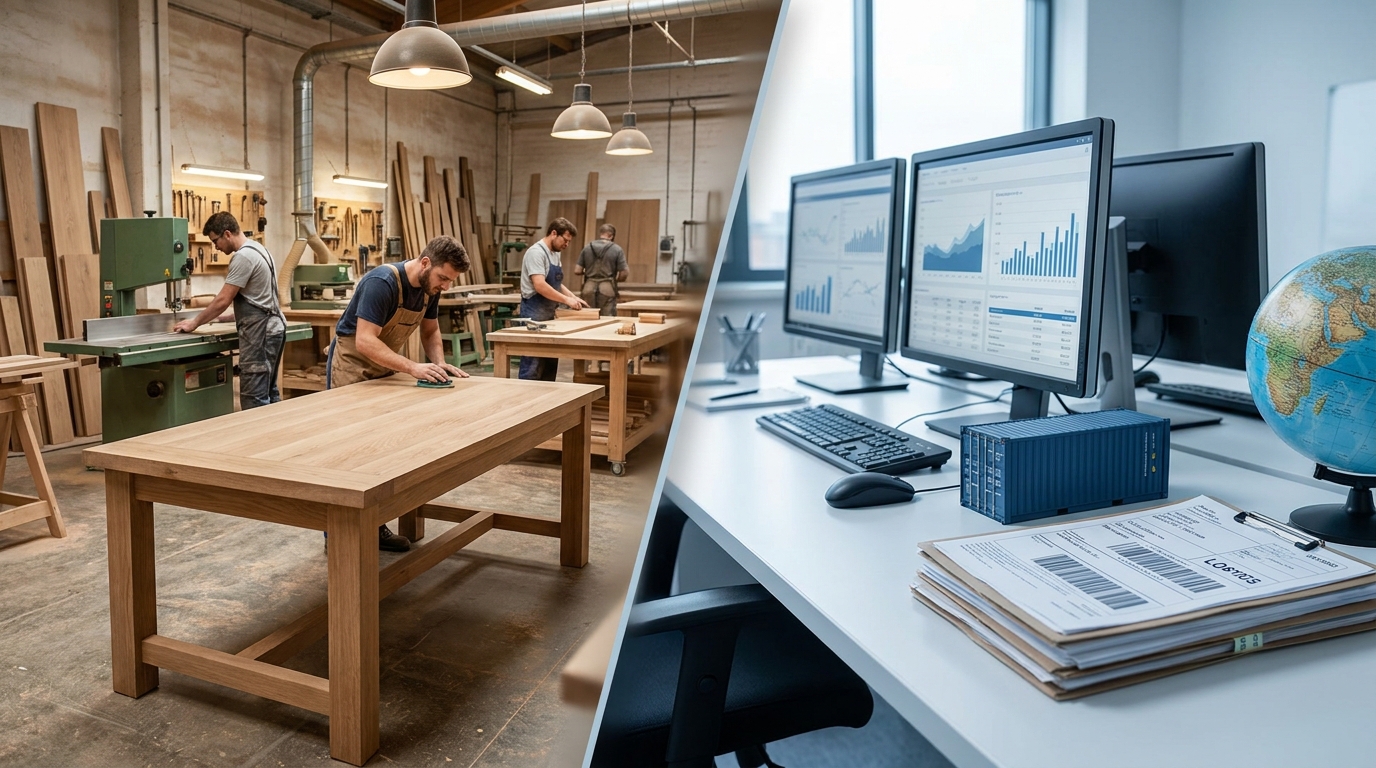
You now know how each entity operates independently. It is time to put them head-to-head. Comparing a China furniture manufacturer vs trading company reveals distinct operational differences. Your final choice depends entirely on your specific project needs. Let us break down the core differences across five critical areas.
Pricing and Cost-Efficiency
As we covered earlier, intermediaries add a 10% to 30% service markup. This premium covers their overhead and coordination efforts. Direct facilities offer pure cost-efficiency. You pay only for raw materials, labor, and basic factory margins. Accessing these direct prices often requires navigating complex industrial zones. Homefurnitureliving bridges this gap seamlessly. We leverage an innovative “Industrial Cluster + Digital Operation” model. We unite top-tier manufacturing lines to give you unparalleled flexibility. You receive factory-direct cost-efficiency without sacrificing service.
Product Customization
Engineering depth varies wildly between these two options. True manufacturers employ dedicated engineers and R&D teams. They excel at bespoke designs and private labeling. If you need structural changes to a sofa frame, they can do it. Traders generally lack this technical depth. They excel at providing standardized, off-the-shelf products. When you request complex modifications through a middleman, technical details often get lost in translation.
Minimum Order Quantity (MOQ)
We previously discussed how production lines dictate order sizes. Factories need high volumes to justify firing up heavy machinery. You must typically commit to 30 to 50 units per SKU or full containers. Traders offer immense flexibility here. Because they pool orders, they can accept micro-orders. Buying 1 to 5 units is completely feasible through an intermediary.
Communication and Customer Service
Language barriers remain a real challenge in international trade. Factory sales reps often struggle with fluent English. They might also operate strictly on Beijing time. This makes rapid problem-solving difficult for overseas buyers. Trading firms invest heavily in polished customer service. Their representatives speak excellent English. They work Western business hours and act as your advocate. Homefurnitureliving combines the best of both worlds. We ensure a seamless, end-to-end B2B sourcing experience. We handle everything from your initial inquiry to final delivery, including integrated logistics and cross-border customs clearance.
Product Variety
Direct producers specialize in narrow categories. A facility making wooden dining tables rarely produces upholstered leather sofas. They master one specific niche. Intermediaries aggregate products. They pull from dozens of different specialists to create a broad catalog. If you need whole-house furnishings, a middleman saves you from managing twenty different supplier relationships.
| Core Difference | Direct Manufacturer | Trading Company |
|---|---|---|
| Pricing Structure | Base factory cost (highly efficient) | Base cost plus 10-30% premium |
| Personalização | High (direct access to engineers) | Low (mostly off-the-shelf items) |
| Order Volume | Strict, high MOQs required | Flexible, low MOQs accepted |
| Communication | Prone to language and time barriers | Fluent English and highly responsive |
| Catalog Scope | Niche, specialized category focus | Broad, multi-category aggregation |
Pros and Cons of Partnering with a Direct Furniture Factory
We just broke down the core differences across pricing, customization, and order volumes. Now you need to weigh the specific advantages and drawbacks of going straight to the source. Every business model carries inherent risks and rewards. Let us examine what happens when you partner directly with a manufacturing facility.
The Advantages of Direct Sourcing
Going direct offers distinct financial and operational benefits. You unlock the lowest possible prices. Because you bypass the standard intermediary markup, your profit margins increase. You pay strictly for materials, labor, and basic production costs.
You also gain direct oversight of the manufacturing process. This access proves critical for OEM and ODM projects. You speak directly to the engineers. They possess superior customization capabilities. They can alter frame structures, adjust foam density, and modify upholstery patterns exactly as requested.
Homefurnitureliving amplifies these benefits. We utilize an innovative “Industrial Cluster + Digital Operation” model. We unite top-tier manufacturing lines to guarantee this factory-direct cost-efficiency. Our team conducts strict on-site inspections and rigorous capacity evaluations. We ensure excellence before mass production even begins.
The Disadvantages You Must Manage
This route does present distinct challenges. High minimum order quantities often tie up valuable capital. You must commit to full containers or large SKU counts. This restricts cash flow for smaller wholesale businesses.
Communication hurdles also create friction. Language barriers and time zone differences slow down negotiations. Misunderstandings can delay production schedules.
Finally, a single supplier offers limited product categories. A facility mastering leather sofas will not produce wooden dining tables. Furnishing an entire catalog requires managing multiple separate factory relationships.
We eliminate these traditional drawbacks. Homefurnitureliving provides unparalleled flexibility. We handle the comprehensive quality control, integrated logistics, and cross-border customs clearance. We deliver a seamless, end-to-end B2B sourcing experience without the usual communication headaches.
Who Should Choose This Route?
Certain buyer profiles thrive using this direct model. It perfectly suits large-scale importers. They already move high volumes and can easily meet strict MOQ demands.
Established retail brands also benefit immensely. They require consistent quality across massive production runs. Finally, buyers demanding strict control over product development should choose this path. Direct access allows them to protect their intellectual property and dictate exact design specifications.
| Aspect | Direct Factory Reality | Ideal Buyer Profile |
|---|---|---|
| Pricing | Lowest possible base cost | High-volume importers |
| Personalização | Superior OEM/ODM capabilities | Brands needing strict development control |
| Order Volume | High MOQs tie up capital | Established retail chains |
| Product Range | Limited to a single category | Specialized furniture retailers |
We just explored why high-volume importers thrive when partnering directly with a production facility. However, not every buyer needs thousands of identical units. You might prioritize convenience and variety over pure base costs. If so, evaluating a trading company as your wholesale furniture supplier China becomes essential. Let us examine the specific advantages and drawbacks of using an intermediary.
Pros and Cons of Using a Trading Company as Your Wholesale Furniture Supplier China
The Advantages of Using an Intermediary
Intermediaries excel at simplifying the procurement process. They offer seamless communication from day one. Their sales teams typically speak fluent English. They also align their schedules with Western business hours. This eliminates the frustrating delays often experienced when negotiating directly with production engineers.
Another massive advantage involves inventory flexibility. As we covered earlier, factories demand high minimum order quantities. Traders solve this hurdle effortlessly. They offer much lower MOQs, sometimes allowing you to buy just a few units per SKU. This allows you to test new markets without tying up massive amounts of capital.
They also allow you to mix different furniture types in a single shipping container. You can load office chairs, leather sofas, and wooden dining tables together. This “mixed container” strategy drastically reduces your shipping and customs clearance burdens.
The Disadvantages You Must Manage
Convenience always comes at a price. The most obvious drawback is higher per-unit costs. You pay that 10% to 30% service premium we discussed previously. This markup cuts directly into your retail profit margins.
You also sacrifice direct control over the actual manufacturing environment. Because you do not speak to the engineers, you cannot monitor the production line. This distance creates real risks. If complex quality issues arise, resolving them takes much longer. The middleman must pass your complaints to the factory, wait for a response, and translate it back to you. This game of telephone often leads to costly delays.
Homefurnitureliving eliminates this traditional compromise. We offer the flexibility of a curated catalog but operate with an “Industrial Cluster + Digital Operation” model. We unite top-tier manufacturing lines directly. We conduct strict on-site inspections and rigorous capacity evaluations at every facility. You get integrated logistics and cross-border customs clearance without ever losing control over quality.
Who Should Choose This Route?
Different business models require different sourcing strategies. Intermediaries perfectly suit small businesses and boutique retailers. These buyers rarely possess the capital to meet strict factory MOQs. They need diverse, multi-category catalogs to fill a retail showroom quickly.
If you prioritize convenience and product variety over rock-bottom pricing, a trading firm makes sense. They act as your on-the-ground sourcing agent. They handle the complex export paperwork and consolidate your shipments seamlessly.
| Aspect | Trading Company Reality | Ideal Buyer Profile |
|---|---|---|
| Communication | Seamless, fluent English, fast responses | Buyers needing heavy administrative support |
| Order Volume | Low MOQs and mixed containers allowed | Small businesses testing new markets |
| Pricing | Higher per-unit costs due to markups | Retailers prioritizing convenience over base cost |
| Controle de Qualidade | Lack of direct manufacturing oversight | Buyers purchasing standard, off-the-shelf items |
How to Verify if Your Supplier is a Manufacturer or a Trading Company

We just explored the pros and cons of intermediaries and direct facilities. You might now know exactly which model fits your business. However, a major industry hurdle remains. Many intermediaries pose as direct factories to secure larger orders. You must know exactly who sits on the other side of the screen. Verifying your supplier protects your margins and ensures quality control.
Analyzing the Business License
Start by requesting their Chinese business license. Do not rely solely on the English translation. Use a translation app to scan the scope of business section. You want to see specific industrial terms. Look for “Production” (生产), “Manufacturing” (制造), or “Processing” (加工). If the document lists “Wholesale” (批发) or “Trade” (贸易), they are a middleman.
You should also check their registered capital. True facilities require millions of RMB to purchase heavy machinery and lease industrial space. Intermediaries often register with significantly lower capital amounts. Finally, look at the official company name. Producers usually include their specific city and industrial focus in their legal title.
Evaluating the Product Catalog
Next, examine their product catalog closely. As we covered earlier, true producers specialize deeply. A facility making wooden dining tables rarely produces upholstered leather sofas. They focus on mastering one specific niche.
If a supplier offers a massive variety of goods, they aggregate products. A catalog featuring lighting, beds, and outdoor sets strongly suggests a trading firm. They pull these unrelated items from multiple different sources to create a one-stop shop.
Requesting a Live Video Tour
You should never skip a visual inspection. Request a live video tour during Chinese working hours. Ask them to walk from their office directly onto the production floor. You want to see active workers, raw material storage, and heavy machinery running.
Middlemen often hesitate when asked for live video tours. They might claim poor internet connection or only show a small, polished showroom. If they cannot show you an active assembly line immediately, proceed with caution.
Managing these audits overseas feels overwhelming for many buyers. Homefurnitureliving eliminates this verification guesswork completely. We conduct strict on-site inspections at every partner facility. Our team performs rigorous capacity evaluations before you place an order. We unite top-tier manufacturing lines to guarantee factory-direct cost-efficiency and absolute transparency.
Checking Certifications and Physical Address
Finally, verify their physical location through official documents. Request their ISO certifications or environmental compliance records. Check the exact registered address listed on these forms. Map this address using Baidu Maps or Google Maps.
Direct facilities require massive floor space. They cluster inside sprawling industrial parks, like Longjiang Town in Shunde. Commercial office buildings in downtown Shenzhen or Guangzhou cannot house heavy machinery. If their address points to a high-rise in a central business district, they are an intermediary.
| Verification Method | Factory Indicator | Trading Company Indicator |
|---|---|---|
| Business License Scope | “Production” (生产) or “Manufacturing” (制造) | “Wholesale” (批发) or “Trade” (贸易) |
| Product Catalog | Highly specialized in one niche category | Massive variety of unrelated categories |
| Live Video Tour | Shows active workers and heavy machinery | Hesitates or only shows a polished showroom |
| Physical Address | Sprawling industrial parks or zones | High-rise commercial office buildings in CBDs |
The Modern Approach to B2B Furniture Sourcing: Getting the Best of Both Worlds
You just learned how to verify a supplier’s true identity. Spotting a hidden middleman protects your profit margins. However, this traditional verification process highlights a major industry flaw. Buyers historically faced a rigid binary choice. You either navigated the communication hurdles of a direct facility or paid the heavy markups of an intermediary.
Evolving Beyond the Binary Choice
The industry has evolved past this outdated compromise. Modern procurement strategies eliminate the need to choose. Our innovative model offers unparalleled flexibility. You access top-tier manufacturing lines effortlessly. This shift transforms how global buyers manage their supply chains. You no longer sacrifice direct pricing for basic convenience.
Homefurnitureliving serves as the ultimate digital bridge today. We connect China’s premium furniture industry directly to the global market. Our platform replaces the traditional middleman entirely. Instead of merely trading goods, we leverage an innovative “Industrial Cluster + Digital Operation” model. We physically embed our operations inside the massive industrial zones discussed earlier.
Combining Cost-Efficiency and Comprehensive Service
This modern approach delivers the best of both worlds. We unite specialized production lines under one digital roof. You secure pure factory-direct cost-efficiency immediately. At the same time, you receive comprehensive service. We do not just display products online. We guarantee excellence before mass production even begins.
Our team conducts strict on-site inspections at every partner facility. We also perform rigorous capacity evaluations for you. This ensures the facility can actually meet your volume demands. You skip the stressful live video tours. We handle the physical audits on the ground.
Ensuring a Seamless End-to-End Experience
Managing international freight often causes massive headaches. We solve this by providing a seamless, end-to-end B2B sourcing experience. We manage your project from your initial inquiry straight through to final delivery. This includes comprehensive quality control during the entire production phase.
We also handle the integrated logistics and cross-border customs clearance. You skip the complex export paperwork entirely. We clear the traditional hurdles of international trade. You receive your goods on time and strictly on budget.
| Sourcing Model | Pricing Structure | Quality Oversight | Logistics & Customs |
|---|---|---|---|
| Traditional Direct Factory | Lowest base cost | Requires buyer to audit directly | Buyer manages complex export paperwork |
| Traditional Trading Company | Adds 10% to 30% markup | Indirect oversight, prone to delays | Handles paperwork for a premium fee |
| Homefurnitureliving (Digital Bridge) | Factory-direct cost-efficiency | Strict on-site inspections included | Integrated logistics and cross-border clearance |
Conclusão
Choosing between a manufacturer and a trading company shapes your business. Match your supplier choice with your budget, size, and volume. You can also choose a modern digital partner like Homefurnitureliving. We combine factory-direct pricing with strict quality control. Enjoy seamless logistics and end-to-end B2B sourcing today.
- Review your current order volumes and budget constraints.
- Define your specific product customization needs clearly.
- Contact Homefurnitureliving to optimize your supply chain.
Frequently Asked Questions About China Furniture Manufacturers vs Trading Companies
Is it always cheaper to buy directly from a furniture factory?
Direct factory prices seem lower at first glance. However, factories often demand high minimum order quantities. Trading companies might add a small price markup. Yet, they save you money on mixed shipping containers. Your final choice depends on your exact order size. Homefurnitureliving offers factory-direct cost-efficiency with incredible order flexibility.
How can I verify if a supplier is a real manufacturer?
You should always check the supplier’s official business license. Look for specific words like Production or Manufacturing. Trading companies usually list Wholesale or Trade instead. You can also check their registered business address. Factories operate in industrial zones, not city office buildings. Homefurnitureliving carefully verifies all partner facilities through on-site inspections.
Can a trading company provide better quality control than a factory?
Yes, trading companies often provide superior quality control services. They act as your personal advocate against the factory. Factory inspectors might overlook flaws to meet production deadlines. Independent sellers ensure your goods match the approved sample. Homefurnitureliving guarantees excellence through strict on-site capacity evaluations. We manage comprehensive quality control before any item ships.
What is the minimum order quantity for Chinese furniture suppliers?
Manufacturers usually require high volumes for their production lines. You might need to buy fifty units per style. Many factories demand full shipping containers for one item. Trading companies often allow much lower minimum order quantities. You can sometimes buy just five units per style. Platforms like Homefurnitureliving unite top-tier lines for unmatched flexibility.
How do mixed containers help me save on shipping costs?
A mixed container holds products from several different factories. Trading companies easily consolidate these diverse goods for you. This method drastically reduces your overall international shipping costs. It also lowers your final customs clearance fees abroad. Homefurnitureliving provides integrated logistics and seamless cross-border customs clearance. We ensure a smooth B2B sourcing experience every time.
- Review your current order volume to determine supplier needs.
- Request a Chinese business license to verify company types.
- Order a product sample before committing to mass production.
- Contact Homefurnitureliving to streamline your entire furniture sourcing process.