

Walk into almost any furniture showroom or browse a furniture website, and you’ll quickly notice something interesting. Many products are labeled as manufactured wood furniture.
But what does that actually mean?
Is manufactured wood real wood? Is it durable? And why do so many furniture brands and factories rely on it today?
These questions come up frequently, especially for buyers sourcing products from a É claro que o design também importa. Mas os melhores móveis encontram aquele ponto ideal entre beleza e funcionalidade. Eles se adaptam ao seu estilo de vida, ao seu espaço e até mesmo ao seu futuro. Um bom design cresce com você — ele se adapta, não expira. or working with a furniture supplier for large-scale projects.
In today’s global furniture industry, manufactured wood has become one of the most widely used materials. From modern TV stands and wardrobes to office desks and kitchen cabinets, it plays a huge role in furniture manufacturing.
Understanding what manufactured wood furniture is can help buyers make smarter purchasing decisions — whether they are sourcing products for retail stores, e-commerce platforms, or wholesale furniture distribution.
In this guide, we’ll explore what manufactured wood furniture really is, how it’s made, and why so many global buyers choose it.
What Is Manufactured Wood Furniture and How Is It Made
Let’s start with the basics.
Manufactured wood furniture refers to furniture made from engineered wood materials rather than solid natural timber.
Instead of cutting furniture parts directly from tree trunks, manufacturers create wood panels by combining small wood elements such as fibers, particles, veneers, or strands. These materials are bonded together with adhesives and compressed under high pressure.
This process creates strong, stable boards that can be used in modern furniture production.
If you’ve ever wondered how manufactured wood furniture is made, the process is actually quite fascinating.
Wood residues from sawmills — including wood chips, sawdust, and veneers — are collected and processed. These materials are then mixed with binding resins and compressed into panels using advanced industrial machines.
Large fábricas de mobiliário use these panels as the foundation for many types of products.
Some of the most common engineered wood materials include:
MDF (Medium Density Fiberboard)
MDF is made by compressing wood fibers into dense boards. It has a very smooth surface, making it ideal for painted furniture.
Plywood
Plywood consists of multiple thin layers of wood veneer glued together in alternating grain directions. This structure improves strength and stability.
Particle Board
Particle board is made from wood chips and sawdust. It is often used in affordable furniture and flat-pack designs.
HDF (High Density Fiberboard)
HDF is similar to MDF but denser and stronger. It is commonly used for cabinet backs and flooring bases.
Because these materials are engineered under controlled conditions, they offer consistent quality. That’s one reason many global companies work with an engineered wood furniture manufacturer when developing large product collections.
Why Wholesale Buyers Choose Manufactured Wood Furniture
Today, manufactured wood furniture dominates a large portion of the global furniture market.
But why is it so popular?
Why do so many distributors and retailers choose wholesale manufactured wood furniture instead of solid wood alternatives?
The answer lies in several important advantages.
Cost Efficiency
One of the biggest reasons is affordability.
Solid wood furniture requires high-quality natural timber, which can be expensive and difficult to source sustainably.
Manufactured wood uses processed wood materials that maximize resource efficiency. As a result, fabricantes de mobiliário can produce high-quality furniture at a more competitive price.
For companies purchasing manufactured wood furniture for wholesale buyers, this price advantage is extremely important.
It allows distributors to maintain healthy profit margins while offering affordable products to customers.
Design Flexibility
Another key advantage is design freedom.
Engineered wood panels have smooth, consistent surfaces that are easy to cut, drill, and shape. This allows designers to create modern manufactured wood furniture designs with unique styles and creative structures.
Curved edges, minimalist panels, and sleek finishes are all easier to produce using engineered materials.
This flexibility is particularly valuable for brands that rely on custom manufactured wood furniture to differentiate their product lines.
Stable Supply and Mass Production
In large-scale manufacturing environments, consistency matters.
Manufactured wood panels can be produced in standardized sizes and qualities. This makes them perfect for automated production lines used in modern fábricas de mobiliário.
For global companies sourcing products from a manufactured wood furniture factory in China, stable production capacity is a major advantage.
Factories can produce thousands of units with consistent quality — something that would be much harder with natural timber alone.
Perfect for E-commerce Furniture
Another reason manufactured wood is so widely used is its compatibility with flat-pack furniture.
Flat-pack furniture has become extremely popular in global retail and online marketplaces.
Manufactured wood panels are easy to cut, package, and assemble, making them ideal for modern shipping and logistics systems.
For companies working with a reliable manufactured wood furniture supplier, this allows them to ship products efficiently around the world.
Manufactured Wood vs Solid Wood Furniture: Which Is Better?
One of the most common questions buyers ask is:
Manufactured wood vs solid wood furniture — which one is better?
The answer depends on the application.
Both materials have their own advantages.
Solid Wood Furniture
Solid wood furniture is made directly from natural timber. It is often associated with luxury furniture and traditional craftsmanship.
High-end products such as dining tables, bed frames, and cabinets often use solid wood for structural components.
However, solid wood can also be more expensive and sensitive to humidity changes.
Manufactured Wood Furniture
Manufactured wood furniture focuses on efficiency and modern design.
Because engineered wood panels are stable and easy to process, they are widely used in:
- wardrobes
- TV cabinets
- office desks
- storage units
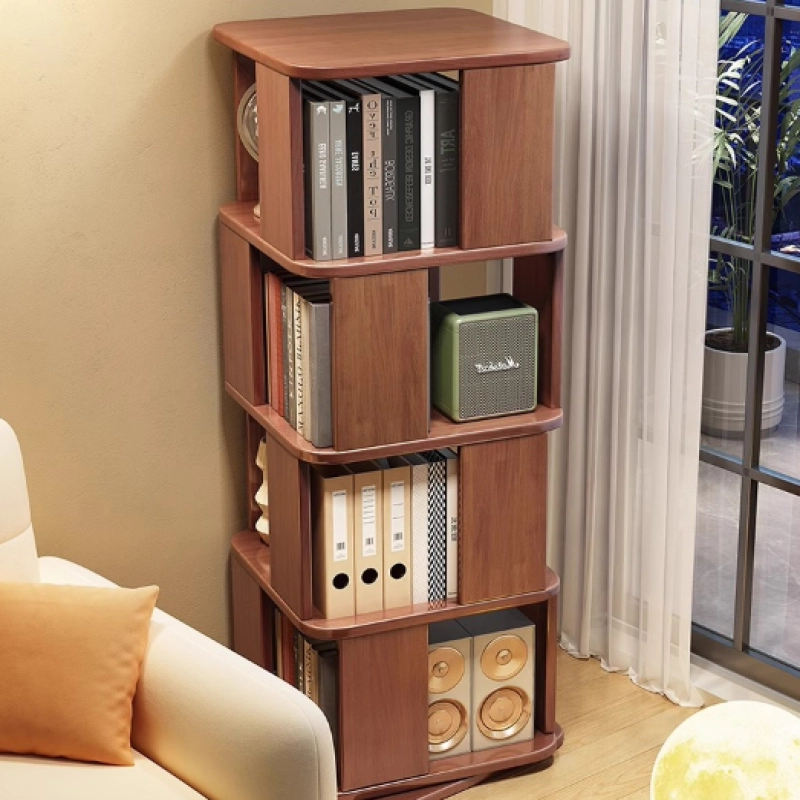
- bookshelves
Many modern products combine both materials.
For example:
- solid wood frames
- plywood structural panels
- MDF decorative surfaces
This hybrid approach allows fabricantes de mobiliário to balance durability and cost.
For most global distributors sourcing wholesale furniture, this combination provides the best overall value.
Conclusion
Manufactured wood furniture has become a cornerstone of modern furniture manufacturing.
By combining wood fibers, particles, and veneers into engineered panels, manufacturers can create materials that are stable, versatile, and efficient to produce.
For global buyers working with a professional furniture supplier, manufactured wood offers an excellent balance between cost, design flexibility, and production scalability.
It’s not simply a substitute for solid wood — it’s a modern solution that supports today’s fast-moving furniture market.
And that’s exactly why so many brands now rely on manufactured wood furniture factories around the world to build their product collections.