

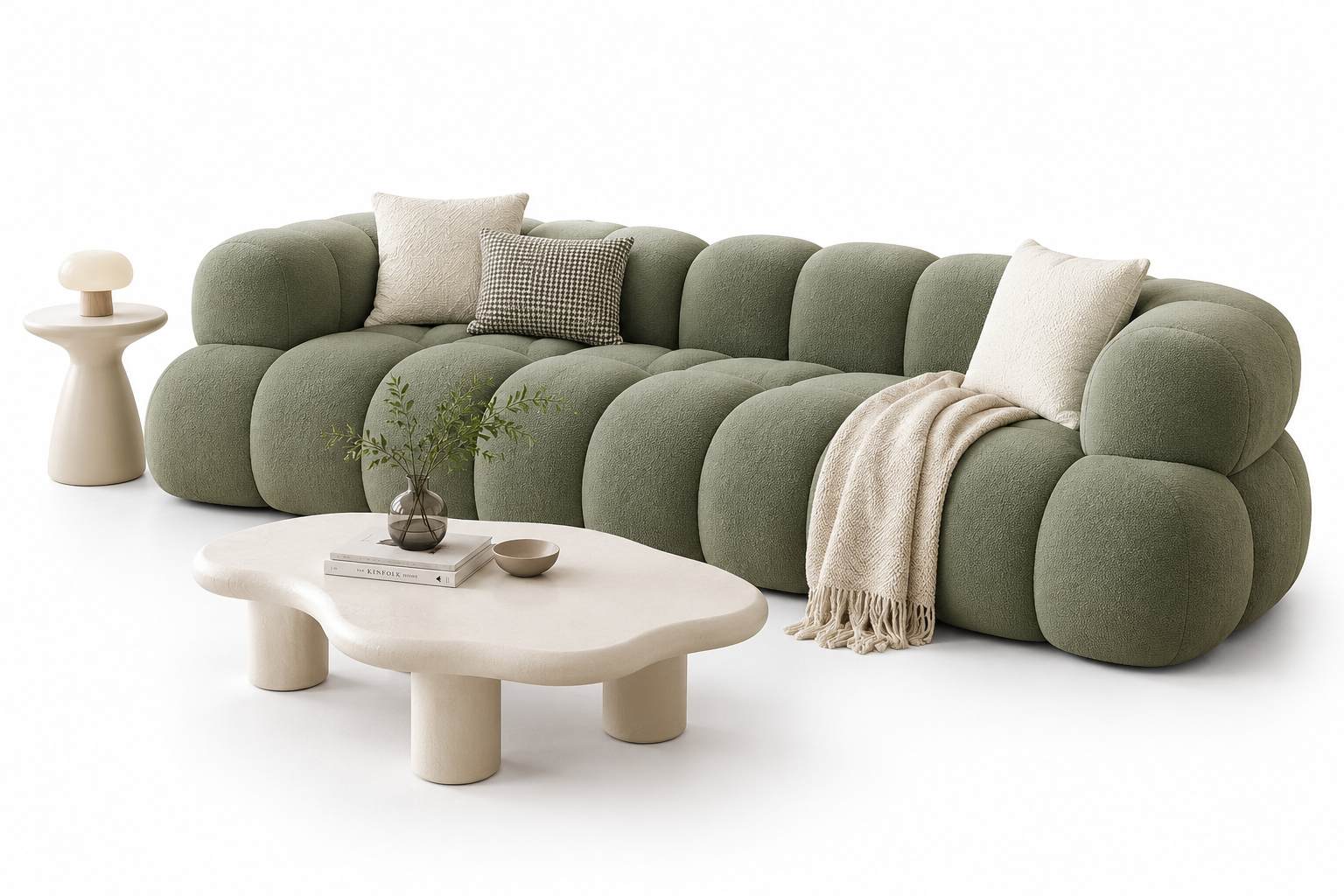
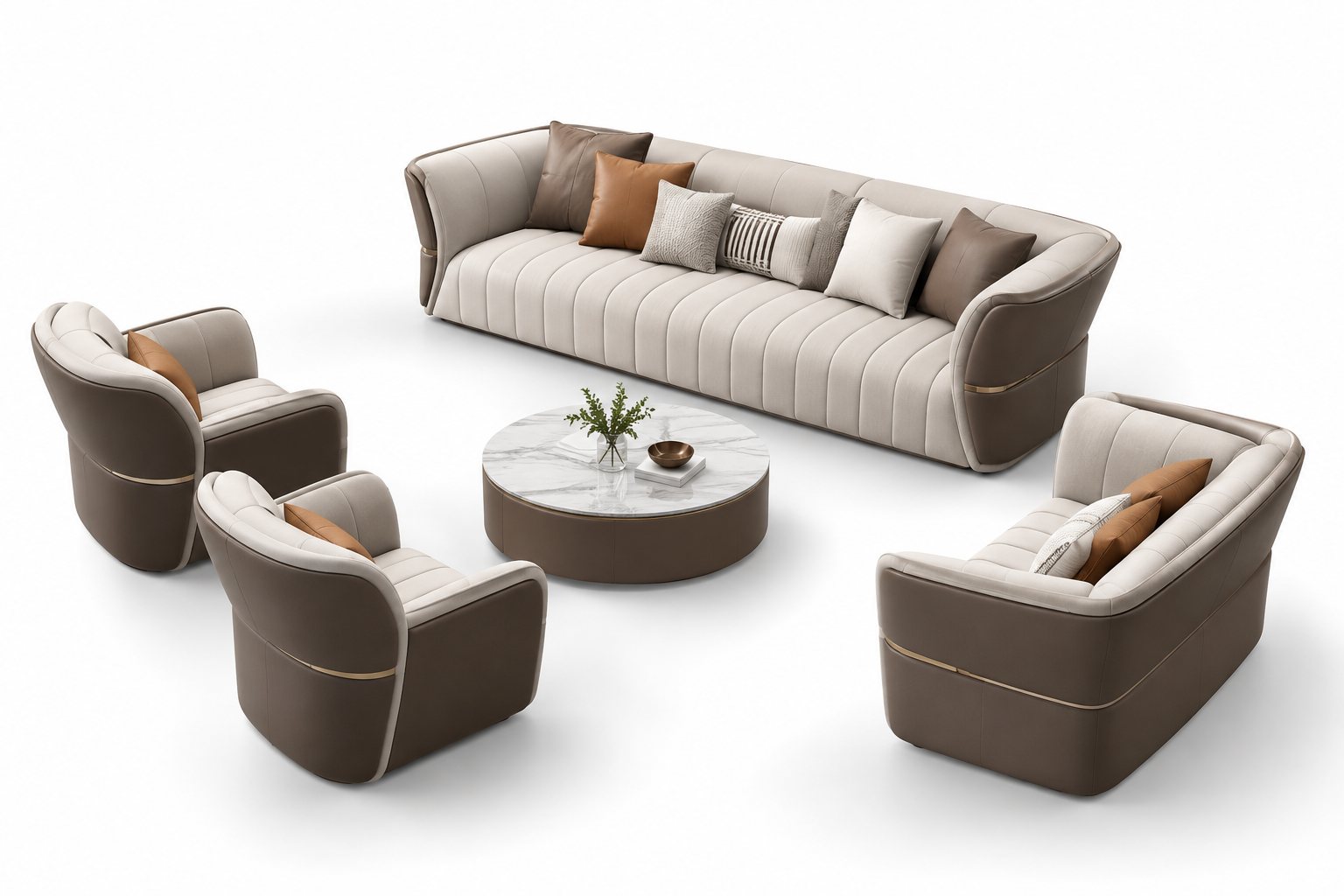
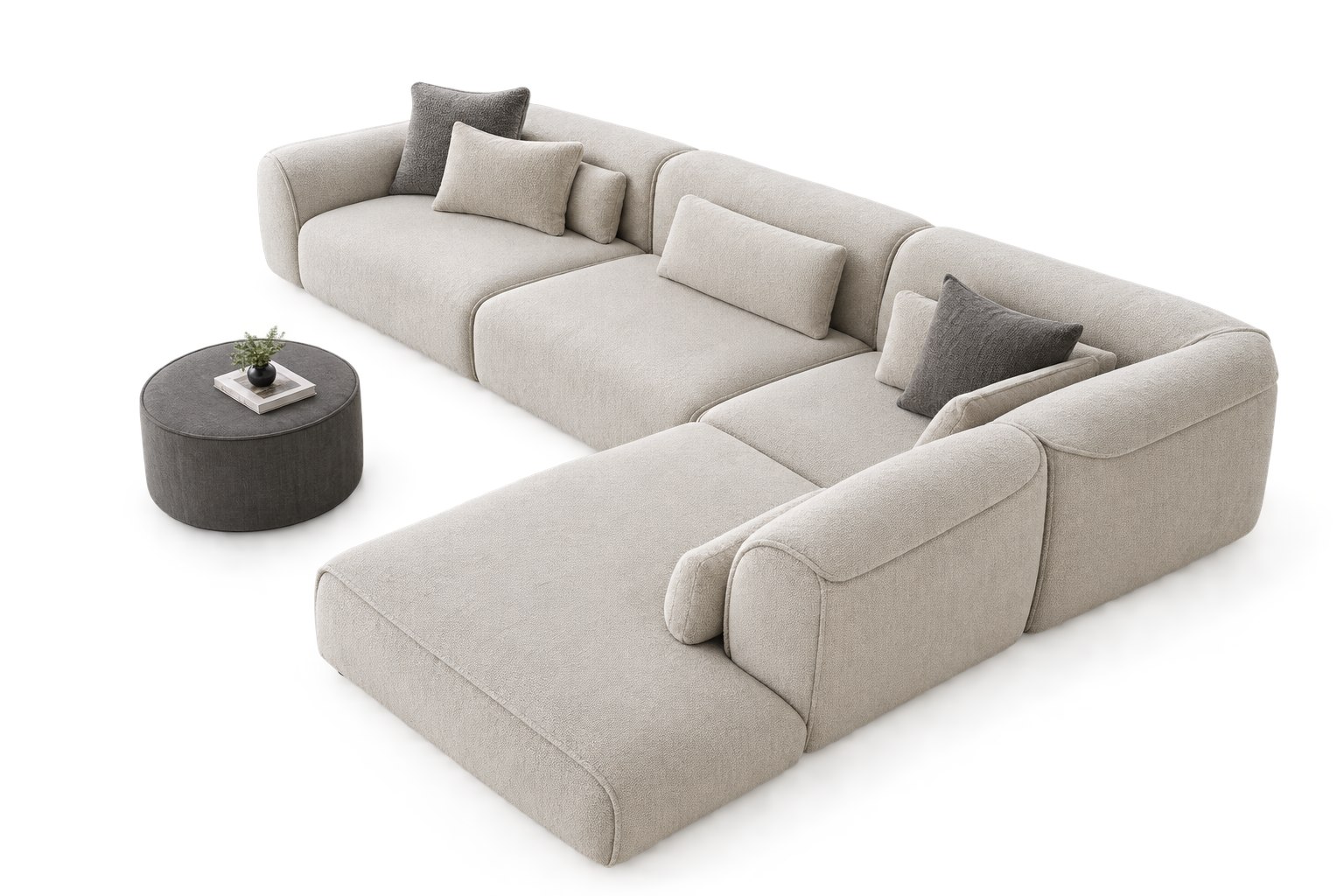
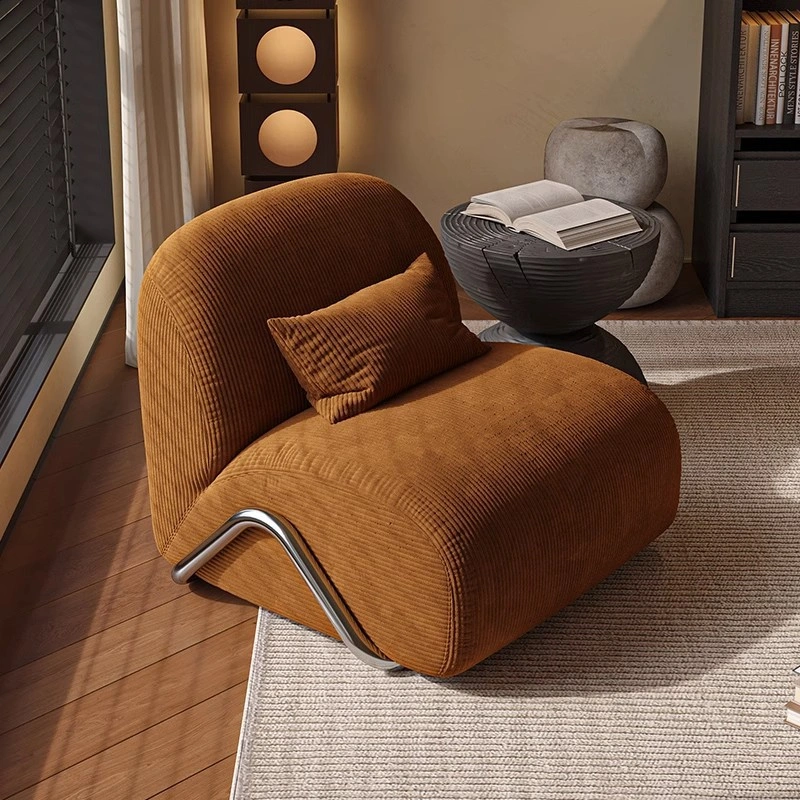
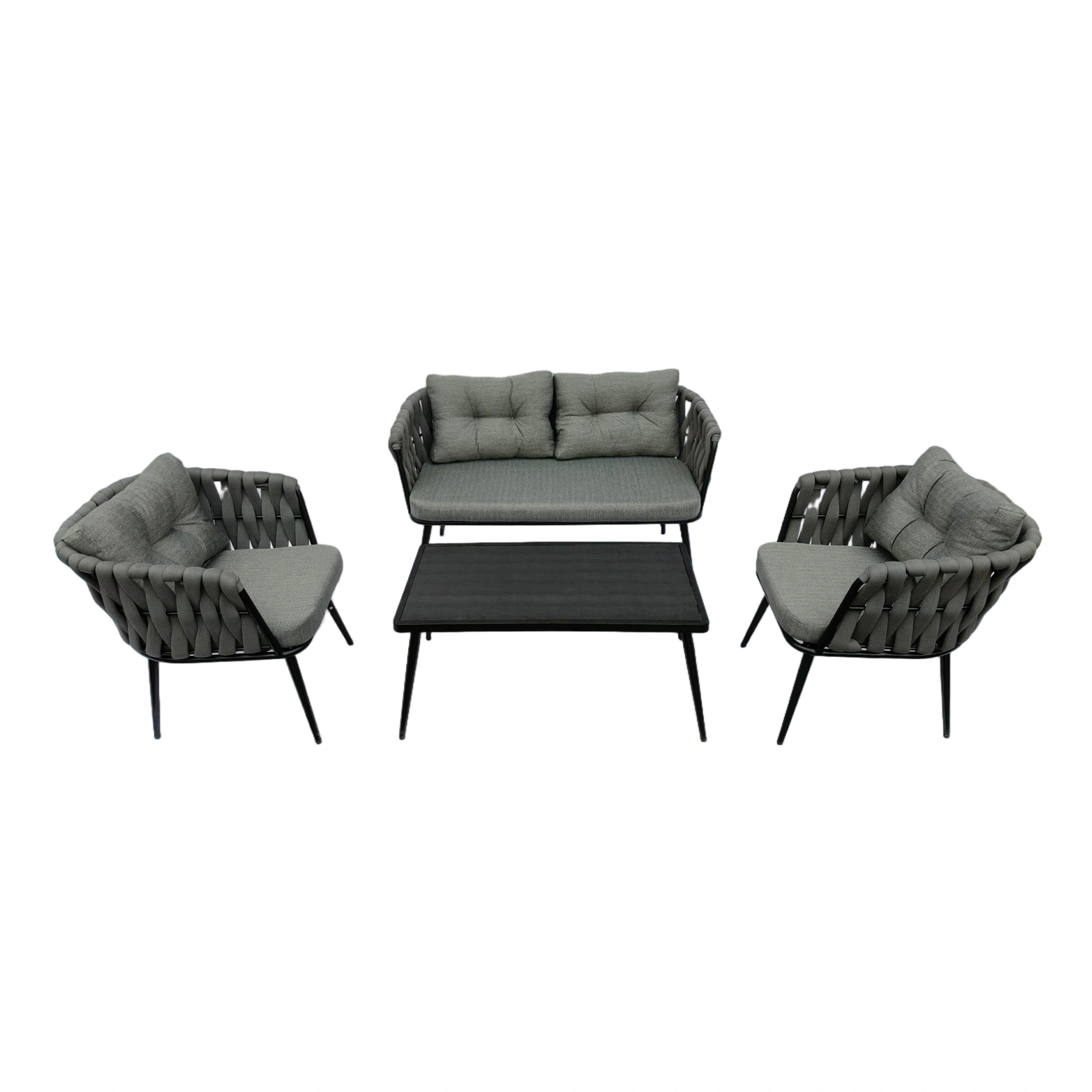
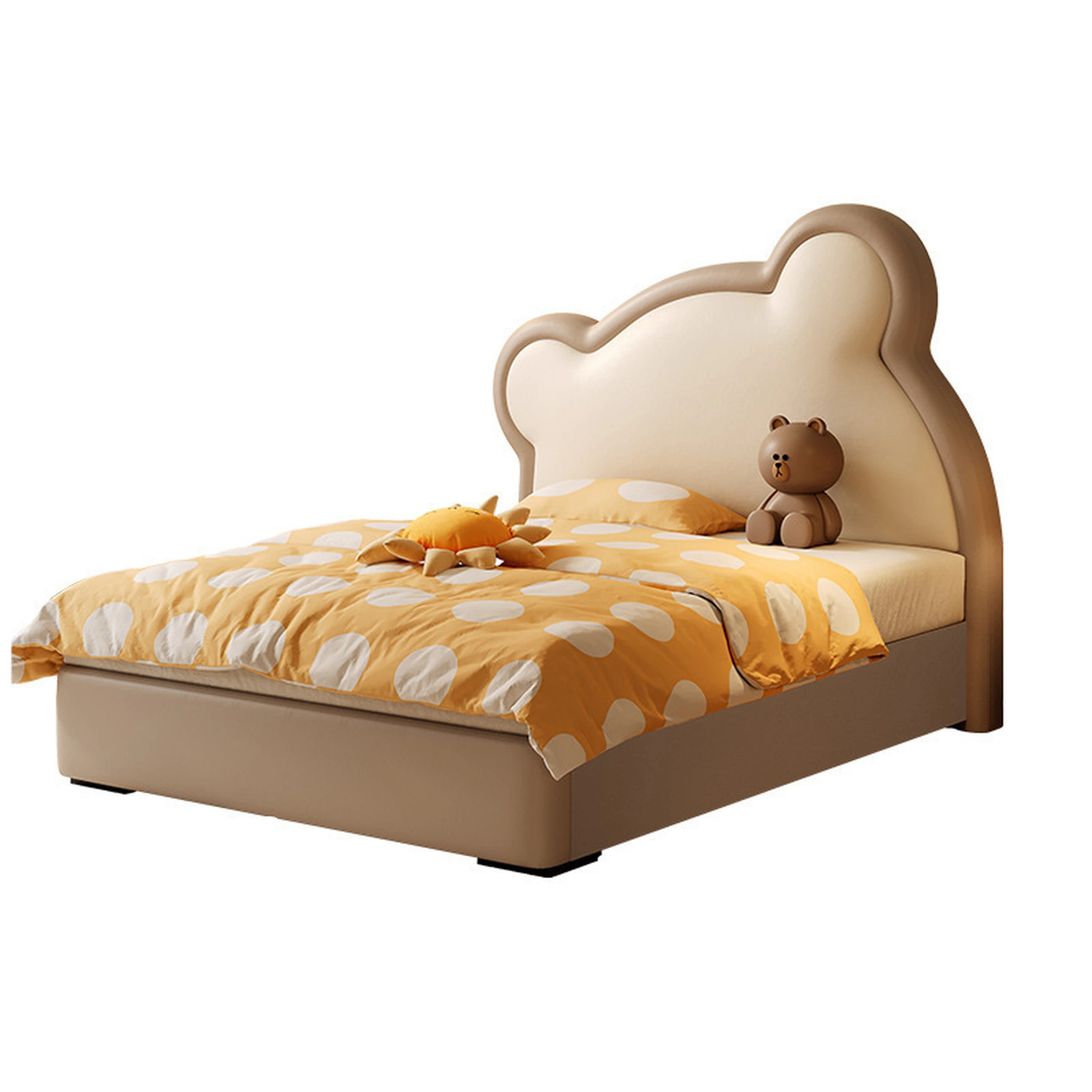
China hat sich zu einem der größten Möbelproduktionszentren der Welt entwickelt und liefert Produkte an Großhändler, Einzelhändler, Hotelprojekte, E-Commerce-Marken und Möbelimporteure in aller Welt. Von maßgefertigten Sofas und Schlafzimmermöbeln bis hin zu Matratzen und gewerblichen Möbellösungen verlassen sich Tausende von Käufern in Übersee auf chinesische Möbelhersteller, die wettbewerbsfähige Preise und eine skalierbare Produktion bieten.
Es ist jedoch nicht immer einfach, einen zuverlässigen Möbelhersteller in China zu finden.
Viele Käufer sehen sich mit Problemen konfrontiert wie verspäteten Lieferungen, uneinheitlicher Qualität, schlechter Kommunikation oder Lieferanten, bei denen es sich eigentlich um Handelsunternehmen und nicht um echte Fabriken handelt. Die Wahl des richtigen Möbellieferanten kann sich direkt auf die Produktqualität, den Lieferplan, die Kundenzufriedenheit und das langfristige Geschäftswachstum auswirken.
In diesem Leitfaden erläutern wir, wie man einen zuverlässigen Möbelhersteller in China auswählt und worauf Käufer aus Übersee vor Beginn der Zusammenarbeit achten sollten.
1. Identifizieren Sie, ob der Lieferant ein echter Möbelhersteller ist
Eine der größten Herausforderungen für ausländische Käufer ist die Unterscheidung zwischen einer echten Möbelfabrik und einem Handelsunternehmen.
Ein professioneller Möbelhersteller hat in der Regel:
- Eigene Produktionsstätte
- Werksfotos und Werkstattvideos
- Produktionsanlagen und Montagelinien
- Stabile Arbeitskräfte und Produktionsteams
- OEM- und ODM-Anpassungsmöglichkeiten
- Erfahrung im internationalen Export von Möbeln
Ein Handelsunternehmen kann viele Produkte online anbieten, hat aber oft nur begrenzte Kontrolle über die Produktionsqualität und die Liefertermine.
Vor der Zusammenarbeit sollten die Käufer nachfragen:
- Fabrik-Videos
- Fotos vom Produktionsprozess
- Informationen zum Workshop
- Erfahrung im Export
- Produktprüfungen oder Zertifizierungen
Ein zuverlässiger Möbelhersteller sollte transparent über seine Produktionsmöglichkeiten sein.
2. Prüfen Sie OEM- und kundenspezifische Möbelkapazitäten
Heute suchen viele Möbelimporteure und Möbelmarken eher nach OEM-Möbelherstellern als nach Standardprodukten.
Ein starker OEM-Möbelhersteller sollte dies unterstützen:
- Logo-Anpassung
- Materialanpassung
- Farbe und Stoffauswahl
- Änderungen der Größe
- Anpassung der Verpackung
- Herstellung von Eigenmarken
Wenn Sie Ihre eigene Möbelmarke aufbauen oder über Groß- und Einzelhandelskanäle verkaufen, ist die Möglichkeit der individuellen Anpassung äußerst wichtig.
Erfahrene Hersteller von maßgefertigten Möbeln können auch bei der Optimierung von Produktstrukturen, Verpackungslösungen und Versandeffizienz helfen.
3. Bewerten Sie Produktqualität und Materialien
Die Qualität der Möbel wirkt sich direkt auf die Kundenzufriedenheit und den langfristigen Ruf des Unternehmens aus.
Bei der Auswahl eines Möbellieferanten sollten die Käufer auf Folgendes achten:
Rahmen Materialien
Prüfen Sie bei Sofas, Betten und Polstermöbeln, ob die Fabrik sie verwendet:
- Massivholz
- Metallrahmen
- Strukturen aus Sperrholz
- Verstärkte Stützsysteme
Schaumstoff und Polstermöbel
Für Matratzen und Polstermöbel:
- Die Schaumstoffdichte ist wichtig
- Langlebigkeit des Gewebes ist wichtig
- Die Qualität der Nähte und der Endverarbeitung sollte einheitlich sein.
Oberflächenbehandlung
Für Holzmöbel:
- Qualität der Farbe
- Kratzfestigkeit
- Feuchtigkeitsbeständigkeit
- Kantenbearbeitung
Seriöse Möbelhersteller sollten ihre Materialien und Produktionsstandards klar erläutern.
4. Blick auf die Exporterfahrung
Nicht jede Möbelfabrik versteht die Anforderungen des internationalen Geschäfts.
Ein erfahrener Möbelexporteur hat in der Regel bessere Kenntnisse:
- Internationale Verpackungsnormen
- Optimierung der Containerbeladung
- Versanddokumente
- Produktkonformität
- Verfahren zur Qualitätskontrolle
- Lieferfristen
Fabriken mit Exporterfahrung können in der Regel effizienter kommunizieren und Risiken während der Produktion und des Versands verringern.
Wenn ein Anbieter bereits in Märkte wie die Vereinigten Staaten, Kanada, Europa oder den Nahen Osten exportiert, ist dies in der Regel ein positives Zeichen.
5. Kommunikationseffizienz ist sehr wichtig
Gute Kommunikation wird bei der internationalen Möbelbeschaffung oft unterschätzt.
Ein professioneller Möbelhersteller sollte:
- Antworten Sie klar und schnell
- Technische Details verstehen
- Bestätigen Sie die Spezifikationen sorgfältig
- Organisierte Kostenvoranschläge erstellen
- Ehrliche Kommunikation von Produktionszeitplänen
Schlechte Kommunikation führt in der Regel zu:
- Falsche Produktspezifikationen
- Verspätete Produktion
- Verpackungsfehler
- Probleme bei der Verschiffung
Langfristige Zusammenarbeit erfordert eine reibungslose Kommunikation zwischen Einkäufern und Lieferanten.
6. Überprüfung der Produktionskapazität
Große Möbelaufträge erfordern eine stabile Produktionskapazität.
Bevor Sie eine Großbestellung aufgeben, sollten Sie dies bestätigen:
- Monatliche Produktionskapazität
- Vorlaufzeiten
- Anzahl der Arbeitnehmer
- Fabrikgröße
- Produktionslinien
- Verfahren zur Qualitätskontrolle
Für Hotelprojekte, den Möbelgroßhandel oder E-Commerce-Möbelmarken ist eine stabile Produktion entscheidend.
Zuverlässige Möbelhersteller sollten in der Lage sein, sowohl regelmäßige Aufträge als auch Großserienproduktionen zu bewältigen.
7. Fragen Sie nach Qualitätskontrollverfahren
Professionelle Möbelfabriken verfügen in der Regel über interne Qualitätskontrollsysteme.
Die Qualitätskontrolle sollte Folgendes umfassen:
- Kontrolle des Rohmaterials
- Inspektion von Halbfertigerzeugnissen
- Endkontrolle des Produkts
- Kontrolle der Verpackung
- Inspektion der Containerbeladung
Ein zuverlässiger Möbellieferant sollte bereit sein, Fotos oder Videos von der Produktion zur Verfügung zu stellen.
Dies hilft den Käufern, die Qualität vor dem Versand zu überwachen und die Risiken nach dem Verkauf zu verringern.
8. Vergleichen Sie mehr als nur den Preis
Viele Einkäufer wählen ihre Lieferanten nur auf der Grundlage des niedrigsten Angebots aus.
Allerdings führen extrem niedrige Preise oft zu:
- Geringere Materialqualität
- Instabile Produktion
- Lieferverzögerungen
- Schlechte Unterstützung nach dem Kauf
Ein guter Möbelhersteller sollte dies bieten:
- Stabile Qualität
- Angemessene Preisgestaltung
- Zuverlässige Kommunikation
- Konsistente Produktion
- Langfristiger Wert der Zusammenarbeit
Für die meisten Importeure und Großhändler ist die Stabilität wichtiger als der billigste Preis.
9. Wenn möglich, besuchen Sie die Fabrik
Werksbesuche sind nach wie vor eine der besten Möglichkeiten, einen Möbelhersteller zu beurteilen.
Während eines Besuchs können die Käufer prüfen:
- Fabrikgröße
- Organisation von Arbeitnehmern
- Produktionsmittel
- Qualität des Produkts
- Verwaltung des Lagers
- Verpackungssysteme
Wenn ein persönlicher Besuch nicht möglich ist, sind auch Videobesichtigungen hilfreich.
Professionelle Möbelhersteller sind in der Regel bereit, ihre Produktionsumgebung zu zeigen.
10. Langfristige Zusammenarbeit aufbauen
Bei der erfolgreichen Beschaffung von Möbeln geht es nicht nur um einen Auftrag.
Zuverlässige Möbelhersteller werden oft zu langfristigen Geschäftspartnern.
Langfristige Zusammenarbeit kann den Käufern helfen:
- Verbesserung der Produktkonsistenz
- Verringerung der Beschaffungsrisiken
- Preisgestaltung optimieren
- Entwicklung exklusiver Produkte
- Verbesserung der Produktionseffizienz
Für Möbelgroßhändler, Distributoren, Hotellieferanten und E-Commerce-Marken ist die Wahl des richtigen Produktionspartners ein wichtiger Faktor für den langfristigen Geschäftserfolg.
Abschließende Überlegungen
Die Wahl eines zuverlässigen Möbelherstellers in China erfordert mehr als nur einen Preisvergleich oder die Betrachtung von Produktfotos im Internet.
Die Käufer sollten sich darauf konzentrieren:
- Echte Fabrikkapazitäten
- OEM- und Anpassungsunterstützung
- Qualität des Produkts
- Erfahrung im Export
- Effizienz der Kommunikation
- Stabile Produktionskapazität
Da die globale Beschaffung von Möbeln weiter zunimmt, werden professionelle chinesische Möbelhersteller zu wichtigen langfristigen Partnern für Möbelimporteure, Großhändler, Einzelhändler und Projekteinkäufer weltweit.
Die Zusammenarbeit mit dem richtigen Möbellieferanten kann Unternehmen helfen, die Produktqualität zu verbessern, Beschaffungsrisiken zu verringern und auf wettbewerbsintensiven Märkten effizienter zu wachsen.