

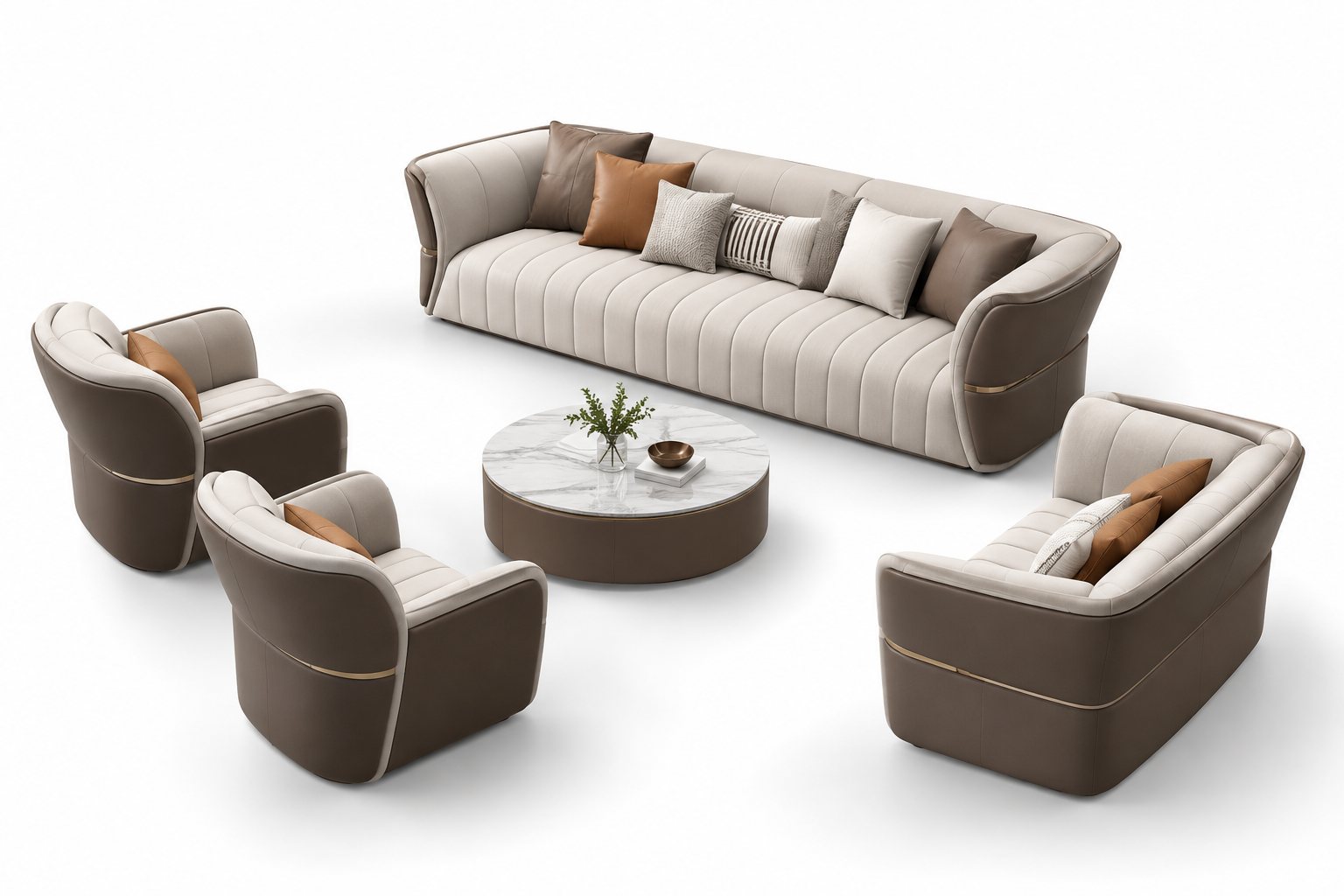
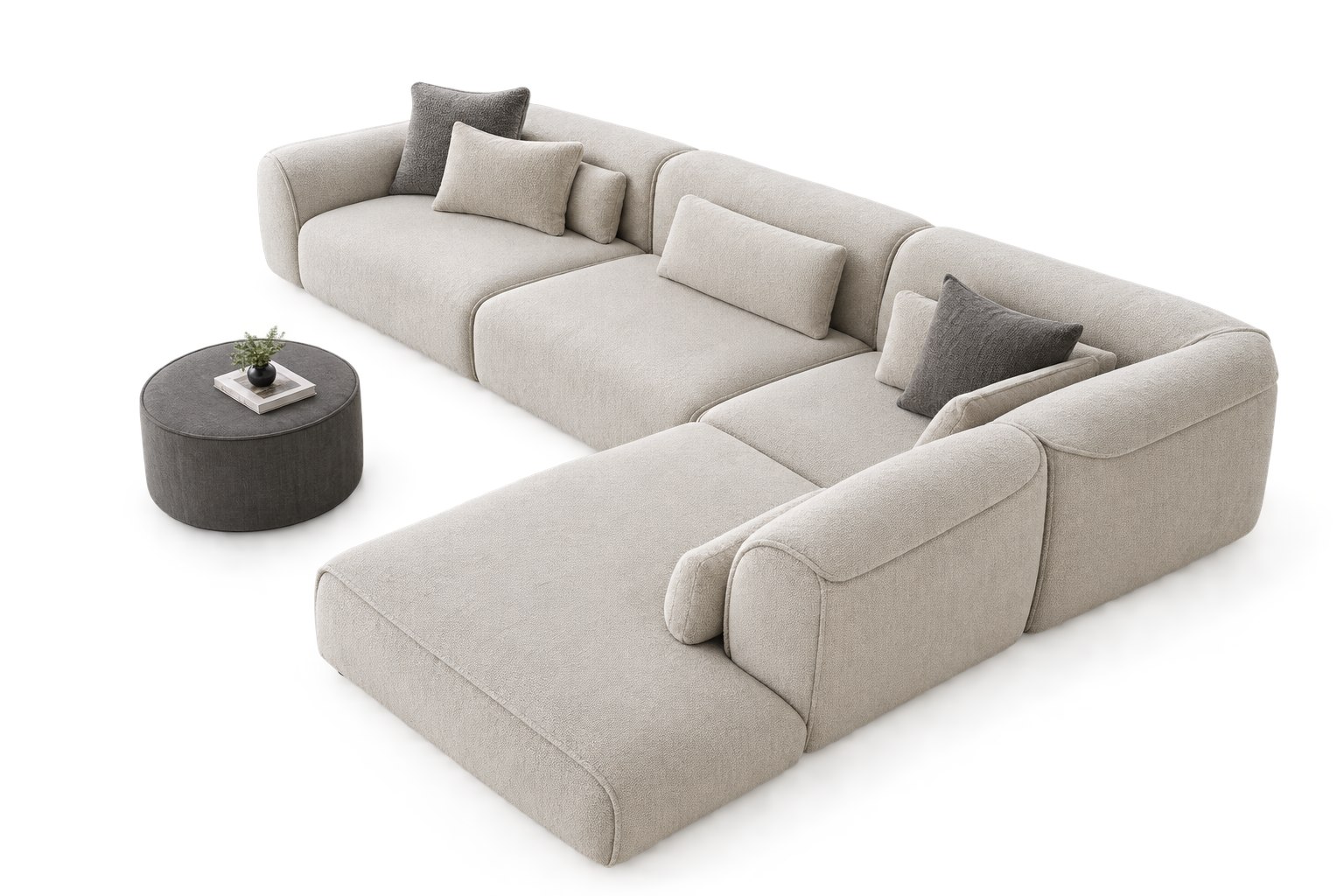
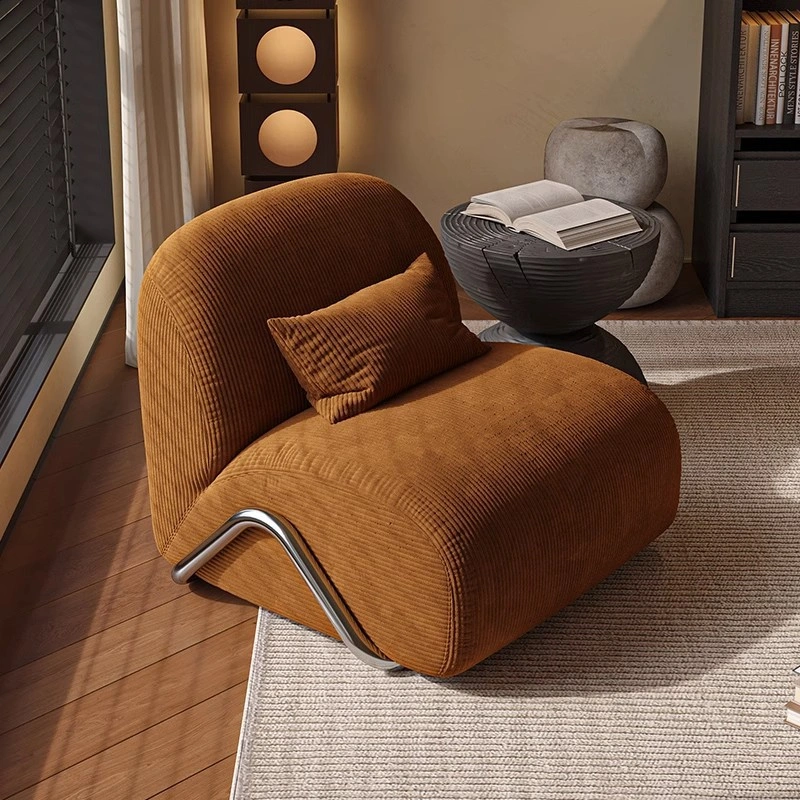
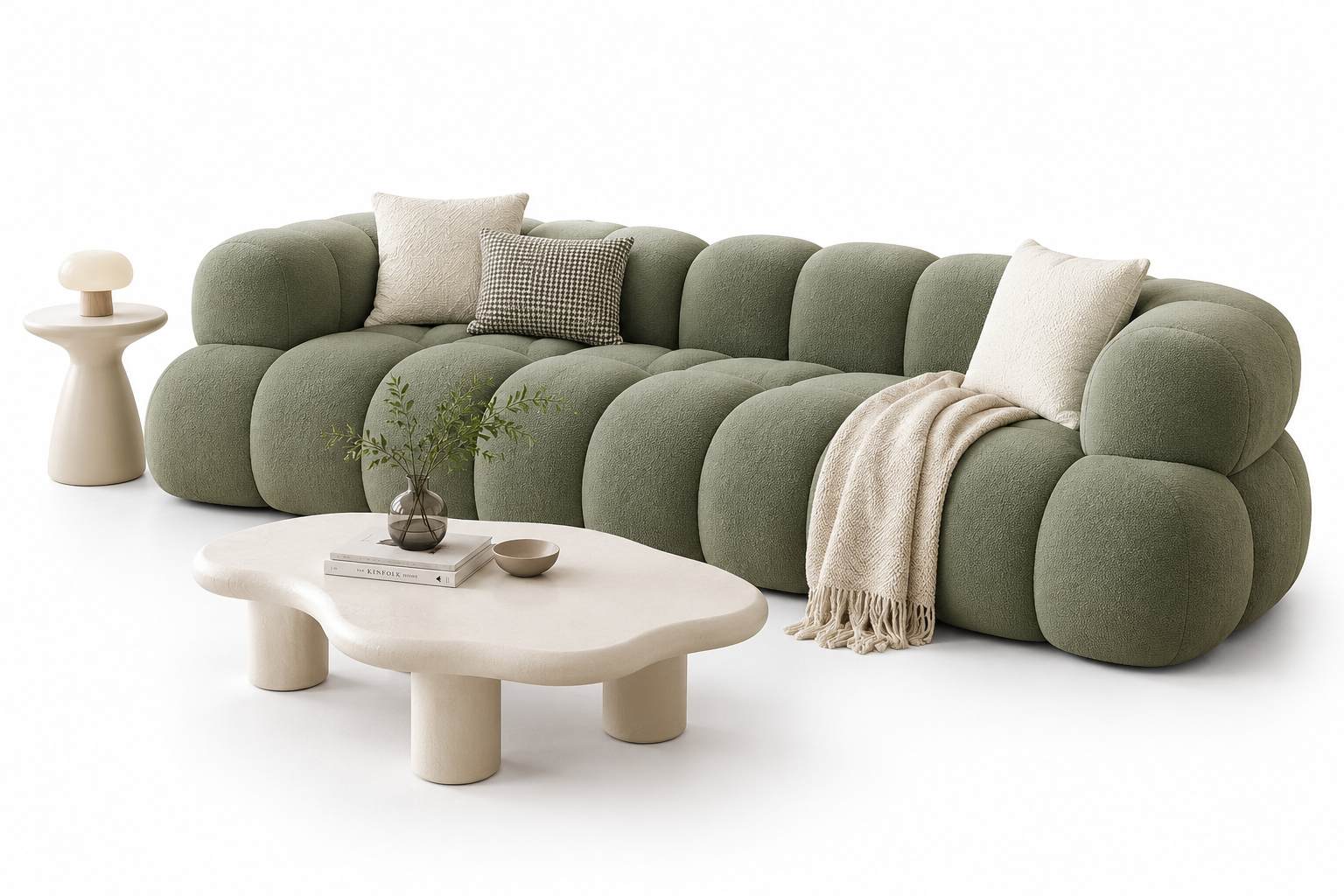
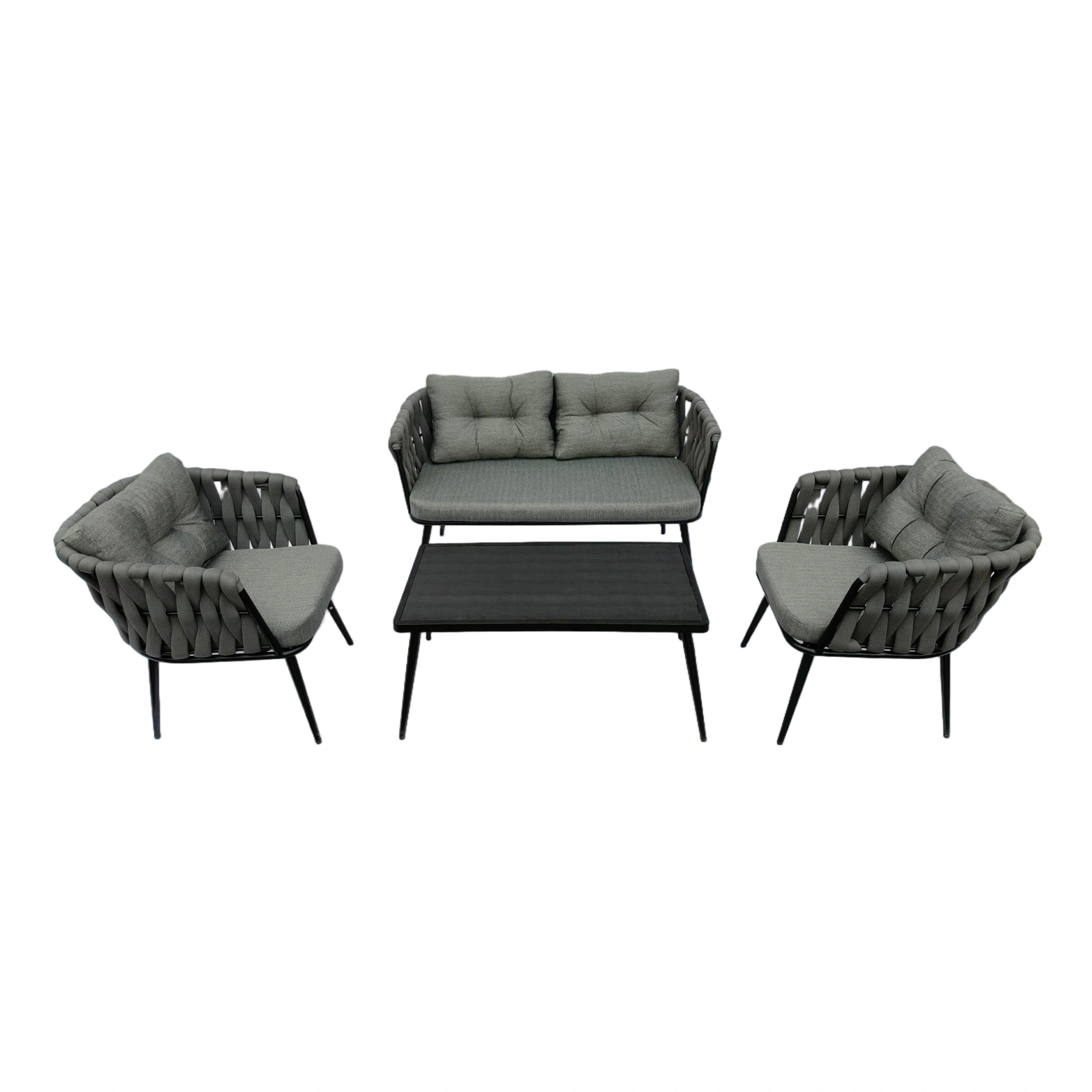
Demand for adaptable, modern seating is skyrocketing globally.
How do custom modular sofas become reality?
OEM manufacturers perfectly solve this complex problem.
They turn unique design concepts into flawless mass production.
In this post, you will learn the exact manufacturing process.
We cover design, production, and seamless B2B sourcing.
Understanding the Modular Sofa Design B2B Landscape
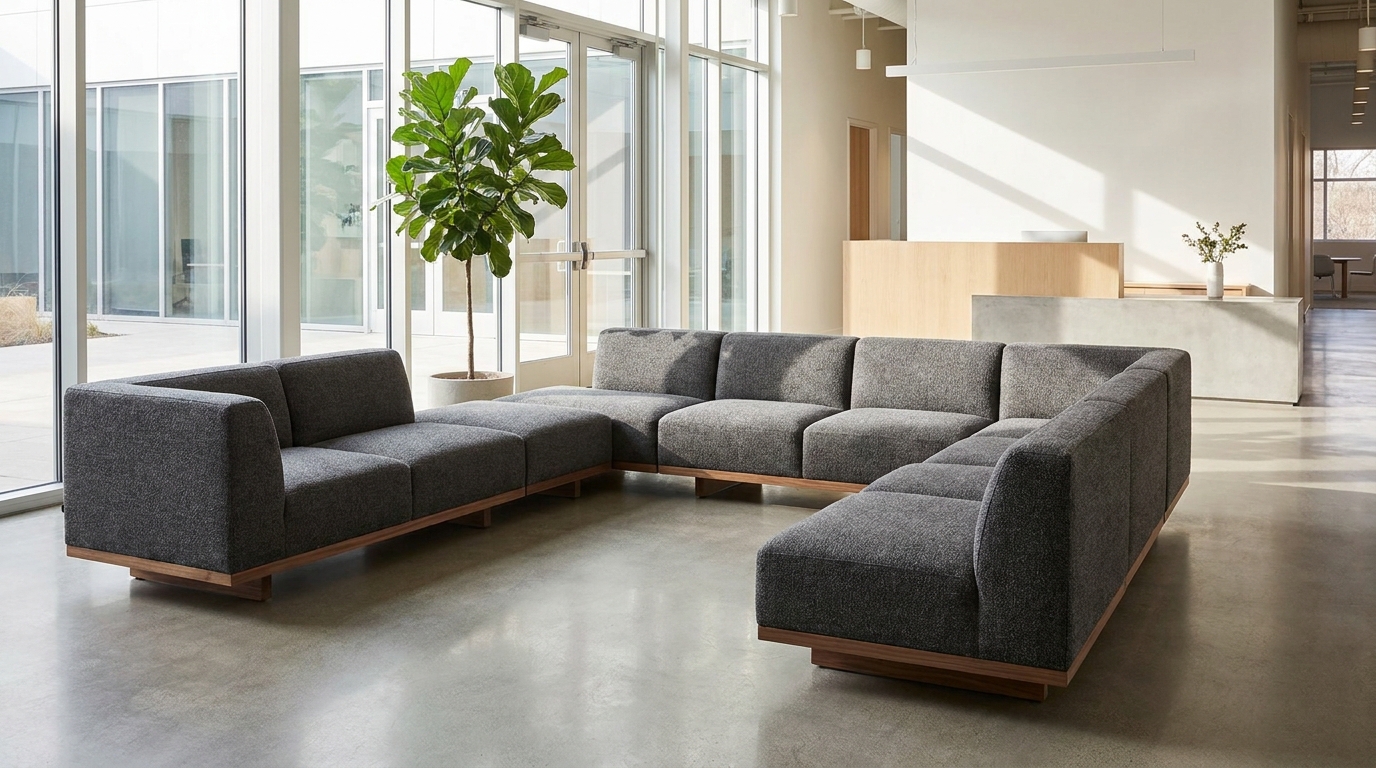
Demand for adaptable seating drives the entire furniture industry forward. Retailers, interior designers, and hospitality businesses now strongly prefer modular configurations. They move away from traditional fixed sectionals to maximize space optimization. A modular approach allows end-users to rearrange seating layouts effortlessly.
Standard module widths usually come in 60cm, 80cm, or 90cm increments. This ensures complete interchangeability across different floor plans. For commercial buyers, modularity solves a massive logistical pain point. It eliminates the “shipping air” problem. Knock-Down (KD) engineering increases shipping density by 20% to 30% compared to standard couches.
The Crucial Role of OEM Production
Translating a unique brand aesthetic into mass production is complex. You need a reliable OEM modular sofa manufacturer to bridge this gap. They turn hand-drawn sketches into precise CAD drawings and technical packs.
We understand this transition intimately at Homefurnitureliving. Our platform serves as a digital bridge connecting global buyers to China’s premium furniture industry. We utilize an innovative “Industrial Cluster + Digital Operation” model. This unites top-tier manufacturing lines to offer factory-direct cost-efficiency. Our team conducts strict on-site inspections and rigorous capacity evaluations. We guarantee your custom designs maintain consistent foam firmness and fabric dye lots across every batch.
Current Trends in B2B Modular Seating
The modular sofa design B2B market evolves rapidly. Brands must adapt to shifting consumer expectations to stay competitive. Below is a breakdown of the most requested features in commercial orders.
| Trend Category | Implementation in Custom Modular Sofas | B2B Buyer Benefit |
|---|---|---|
| Sustainable Materials | Sourcing FSC-certified woods and recycled polyester fabrics. Using vegan leather alternatives. | Meets eco-conscious consumer demands and aligns brand sustainability goals. |
| Versatile Configurations | Installing hidden alligator clips under frames. Ensuring all modules feature 360-degree finished sides. | Allows corner pieces or armless chairs to function as standalone units. |
| Smart Integration | Embedding USB/USB-C charging ports and hidden storage compartments within wedge modules. | Enhances user experience in hospitality lobbies, offices, and modern homes. |
| Commercial Durability | Specifying fabrics exceeding 50,000 double-rubs on the Martindale scale. Using 45-55 kg/m³ HR foam. | Reduces replacement cycles in high-traffic commercial environments. |
These features require precise engineering during the prototyping phase. Manufacturers must balance aesthetic appeal against structural integrity. For example, solid wood frames offer incredible durability. However, Plywood (LVL) often provides better cost-effectiveness and stability for complex modular joints.
The Initial Phase: Translating Concepts into Blueprints
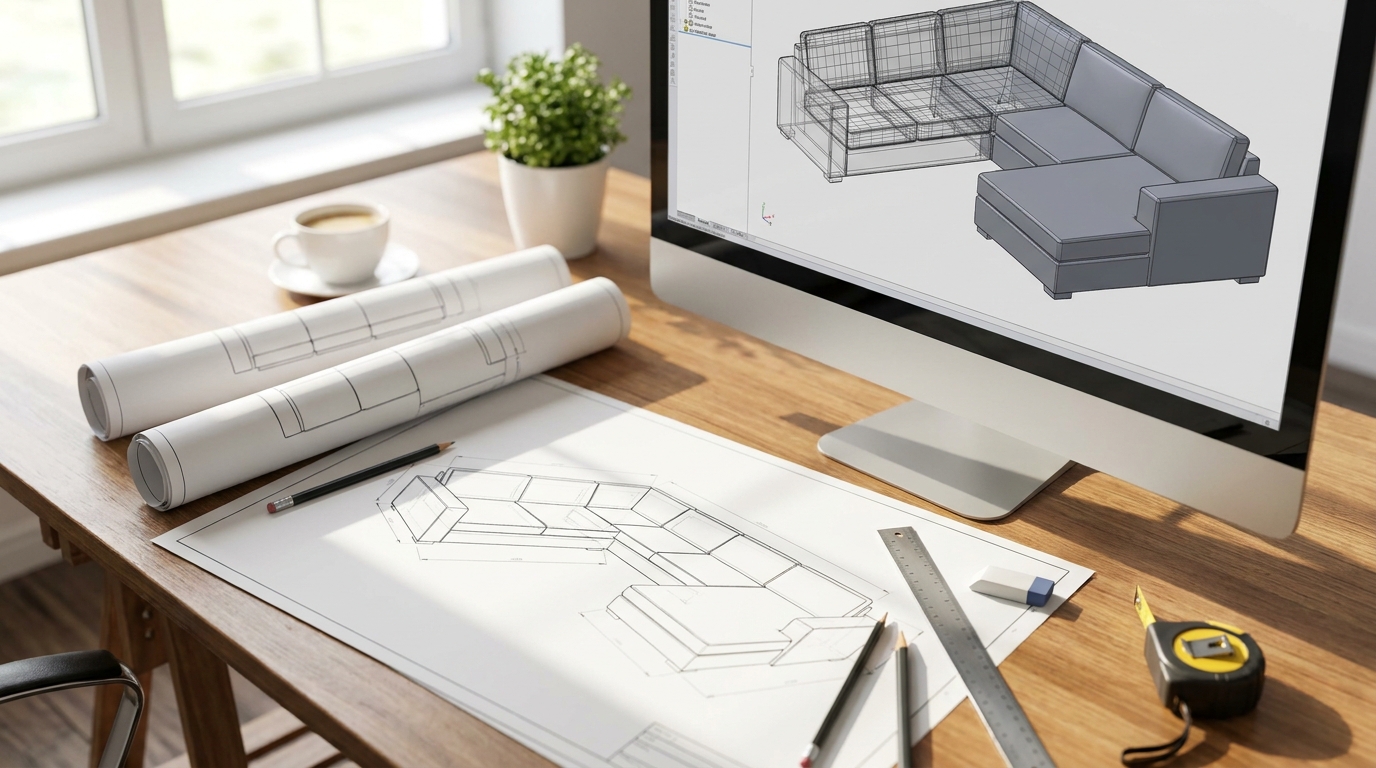
Balancing aesthetic appeal against structural integrity starts long before the factory floor. It begins in the design phase. How do you take a rough sketch and make it ready for custom modular sofa production? You need a clear roadmap. This initial phase transforms raw ideas into exact blueprints. We will explore the consultation process, technical drafting, material selection, and the critical prototyping loop.
Consultation and Conceptualization
Every great piece of furniture starts with a conversation. Brands bring their aesthetic vision. Manufacturers assess practical realities. You might want a specific “sit feel” or “hand feel.” Translating these subjective nuances to factory staff is notoriously difficult. This is where Homefurnitureliving steps in.
We act as your digital bridge. We align your design ideas directly with a vetted furniture factory in China. Our team ensures your concepts match real-world manufacturing capabilities. We evaluate potential hidden costs early in the process. This prevents expensive redesigns later.
Technical Drafting and 3D Modeling
A sketch is not enough for mass production. Engineers must convert it into a detailed Tech Pack. They use Computer-Aided Design (CAD) and 3D modeling. These tools create precise blueprints for every individual module.
- Corner wedges
- Armless chairs
- Chaise lounges
- Ottomans
Designers calculate exact dimensions. As we covered earlier, standard widths like 60cm or 80cm ensure interchangeability. The Tech Pack also details structural components. It shows exactly where to place hidden alligator clips or zig-zag springs. It removes all guesswork from the equation.
Strategic Material Selection
Next, you must select the right materials. This impacts both price point and durability. Buyers ordering wholesale custom couches need materials engineered for longevity. You must choose frames, suspension systems, and textiles carefully.
| Component | Standard Grade | Premium / Commercial Grade | Key Manufacturing Rule |
|---|---|---|---|
| Frame | Plywood (LVL) | Kiln-Dried Hardwood | Moisture content must stay at 8%–12% to prevent warping or cracking over time. |
| Foam Fill | 30–35 kg/m³ HR Foam | 45–55 kg/m³ HR Foam | Premium density prevents sagging in high-traffic commercial environments. |
| Tela | 15,000–20,000 Rubs | 50,000–100,000+ Rubs | Always specify Martindale double-rub counts based on the target market. |
Standard high-resiliency (HR) foam works perfectly for residential use. Luxury or commercial seating requires much higher density. The same logic applies to fabrics. A residential sofa needs 15,000 rubs on the Martindale scale. A hotel lobby sofa demands 50,000 or more.
The Prototyping Loop
Blueprints and materials finally come together in the prototyping stage. The factory builds an initial sample. Industry professionals call this the “Golden Sample.” Prototyping usually takes 7 to 14 days. It serves as a critical physical test run.
- Ergonomics: Does the seat depth feel right?
- Structural Integrity: Can the module support the standard 100–150kg per seat?
- Visual Appeal: Do the seams align perfectly across different modules?
We highly recommend requesting a “tear-down” report of this prototype. It lets you see the internal construction. You can verify spring counts and foam layering. Homefurnitureliving conducts strict on-site inspections during this exact phase. We ensure the Golden Sample meets your exact specifications before you approve mass production.
Inside the Factory: Custom Modular Sofa Production Processes
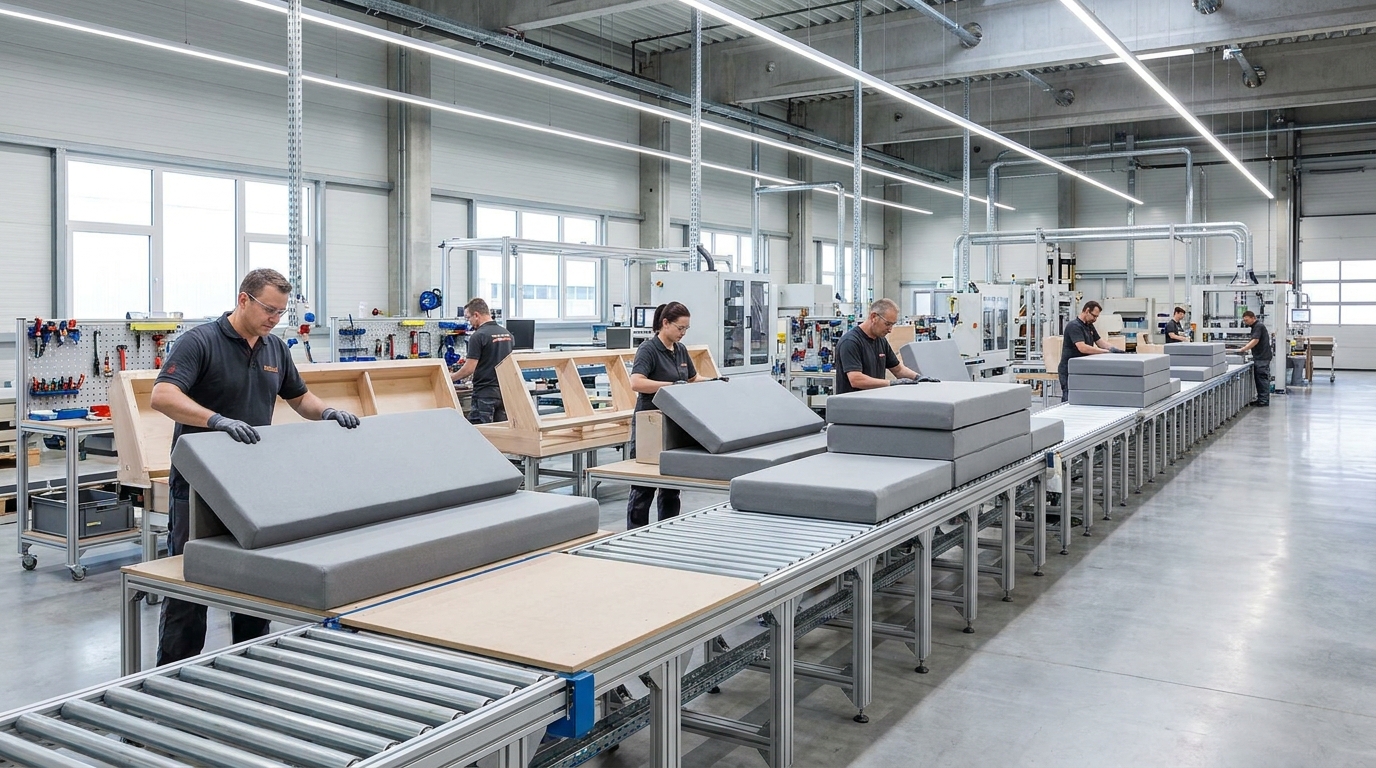
You approved the Golden Sample after reviewing its internal construction. The prototyping loop is finally complete. Now, the real manufacturing work begins. The factory shifts gears to fulfill your bulk order. Let’s step onto the factory floor to see how mass production actually happens.
Frame Construction and Skeleton Assembly
The frame acts as the skeleton of every module. Workers use CNC machines to cut wood panels with extreme precision. This guarantees every 60cm or 80cm module perfectly matches the CAD drawings. As we covered earlier, factories use kiln-dried hardwood or LVL plywood. They maintain an 8% to 12% moisture content to prevent warping over time.
Workers assemble these cut pieces using heavy-duty staples and industrial adhesives. They also install wooden corner blocks. These blocks add critical reinforcement to high-stress areas. A well-built frame easily supports the standard 100 to 150kg capacity per seat.
Advanced Foam Cutting and Upholstery
Next, the wooden frame needs its padding. Foam cutting requires exact calibration. Factories shape high-resiliency foam to match your specific comfort requirements. They layer different densities to create a supportive core and a plush surface. Consistent foam density across all separate pieces is absolutely crucial. You cannot have one corner wedge feel softer than an armless chair.
Then comes the detailed upholstery work. Pattern makers use digital templates to cut fabric efficiently. This modern technique minimizes waste and ensures precise alignment. Sewing teams stitch these fabric panels together on industrial machines. They focus on flawless seams and exact pattern matching. Every stitch must hold up to heavy commercial wear and tear.
Engineering Hidden Connector Systems
Modular seating must stay together securely during everyday use. It also needs to separate easily when users change their room layouts. Factories solve this by engineering durable locking mechanisms.
They usually install hidden alligator clips or U-brackets underneath the frames. We mentioned alligator clips in the design phase. Placing them under the frame is a highly effective manufacturing trick. It allows every module to feature fully finished sides. You can pull an armless chair out of a sectional and use it as a standalone piece. The connectors remain completely hidden from view.
| Connector Type | Typical Placement | Key Manufacturing Benefit |
|---|---|---|
| Alligator Clips | Hidden under the frame | Allows 360-degree finished sides for standalone module use. |
| U-Brackets | Side panels of the frame | Provides heavy-duty locking for high-traffic commercial spaces. |
| Interlocking Pins | Drop-in side slots | Offers quick, tool-free assembly for the final end-user. |
The Assembly Line in Action
Orchestrating large-scale custom modular sofa production requires strict coordination. Every station must operate efficiently. A top-tier [FABRICA DE MUEBLES CHINA] utilizes advanced assembly lines to maintain speed without sacrificing quality.
This is exactly where Homefurnitureliving adds massive value to your supply chain. We integrate our “Industrial Cluster + Digital Operation” model right into the manufacturing process. We do not just pass your order to a factory and hope for the best. Our team conducts strict on-site inspections throughout the entire production run. We monitor frame assembly, foam consistency, and stitching quality closely.
We handle comprehensive quality control and manage the integrated logistics. We also manage cross-border customs clearance for you. This guarantees a seamless B2B sourcing experience from the factory floor directly to your final delivery.
Sourcing from a Premium Furniture Factory China: The Industrial Cluster Advantage
We just walked through the assembly line. We saw how strict coordination ensures consistent quality. Managing these complex production steps requires a robust supply chain. This brings us to a critical strategic decision. Sourcing from China remains the ultimate choice for global buyers. The country stands as the premier hub for manufacturing efficiency.
The Global Hub for Furniture Manufacturing
China offers an unmatched ecosystem for custom modular sofa production. It holds massive networks of raw material suppliers. You never wait weeks for hidden alligator clips or specialized textiles. Everything exists within a tight geographic radius. This massive concentration of resources drastically reduces lead times. Factories easily move from prototyping to mass production. They typically complete bulk orders in just 30 to 45 days after sample approval.
Leveraging the Digital Bridge Model
Navigating this massive market often feels overwhelming. You need a reliable digital bridge. Homefurnitureliving serves exactly this specific purpose. We connect China’s premium furniture industry directly to the global market. We leverage an innovative “Industrial Cluster + Digital Operation” model.
We unite top-tier manufacturing lines under one streamlined system. This gives you unparalleled flexibility. You achieve factory-direct cost-efficiency easily. You avoid traditional sourcing headaches completely. You deal directly through our platform while accessing the best regional industrial clusters.
| Sourcing Approach | Supply Chain Structure | Eficiencia de costes | Production Flexibility |
|---|---|---|---|
| Traditional Sourcing | Fragmented vendor networks | High middleman markups | Rigid minimum order quantities |
| Industrial Cluster + Digital Operation | Highly integrated local networks | Precios directos de fábrica | Scalable production lines |
Guaranteeing Excellence Before Production Starts
We do not just display products on a screen. We guarantee excellence at every single step. Finding a factory seems easy initially. Finding a reliable partner is much harder. Your partner must consistently meet strict commercial durability standards.
We take decisive action before any bulk production begins. All our partner facilities undergo strict on-site inspections. We perform rigorous capacity evaluations carefully. Our team checks their CNC machinery capabilities. We verify their high-resiliency foam cutting precision. This thorough vetting process prevents costly manufacturing errors. It ensures a seamless end-to-end B2B sourcing experience.
Scaling Up: Strategies for Sourcing Wholesale Custom Couches
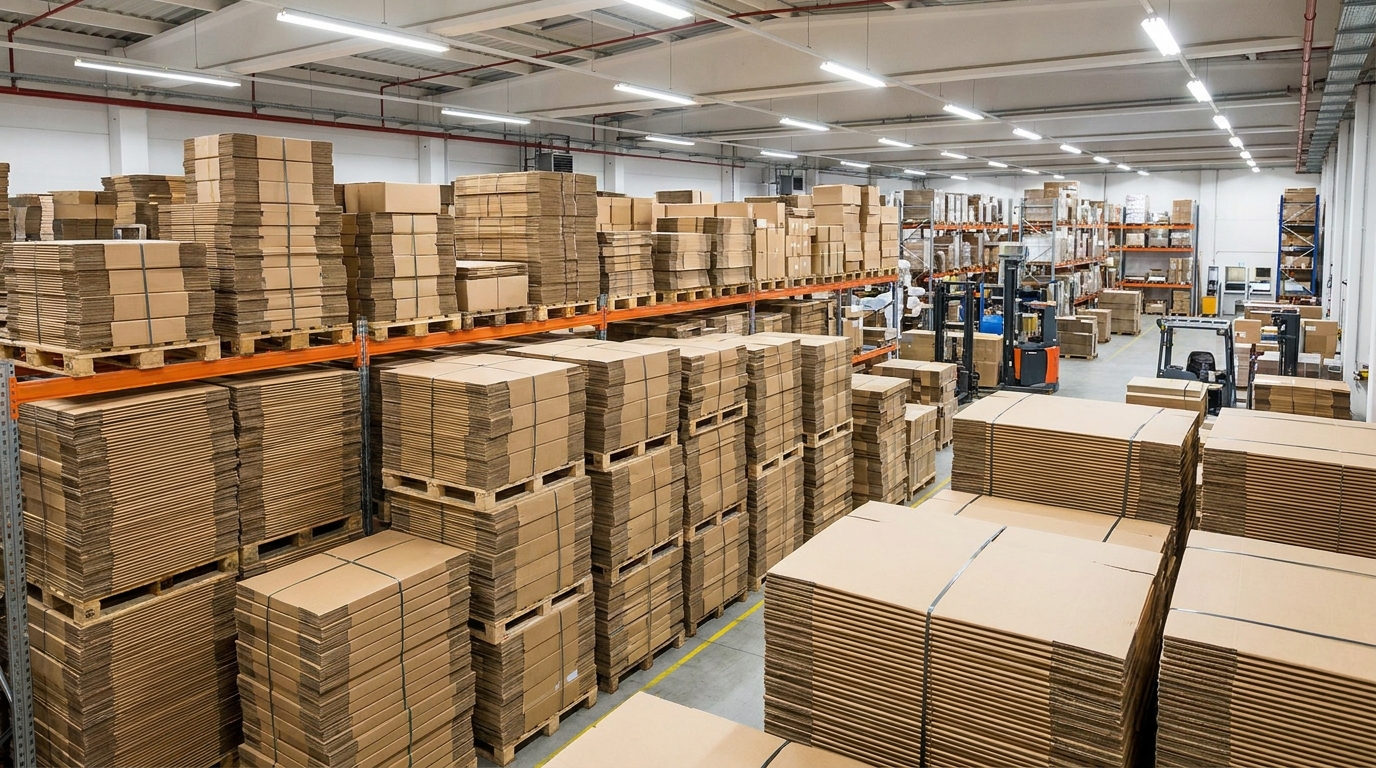
We just discussed how strict factory vetting prevents costly manufacturing errors. This solid foundation prepares you for the next major step. You must now scale your custom modular sofa production efficiently. Scaling up introduces new logistical and financial challenges. How do you handle minimum order quantities? How do you pack bulky furniture efficiently? We will explore proven strategies to navigate bulk orders, balance costs, and optimize your profit margins.
Navigating Minimum Order Quantities (MOQs)
Factories require minimum order quantities to maintain efficiency. For custom modular designs, MOQs typically range from 10 to 50 units per SKU. You must plan bulk orders carefully to avoid tying up capital. We recommend targeting full container loads.
Ordering a 1x20GP or 1x40HQ container is the standard for cost-efficiency. It drastically reduces your per-unit shipping rate. Homefurnitureliving helps you negotiate these terms directly. Our integrated digital operation model provides flexible production scaling. We match your specific capacity needs with the exact right facility.
Balancing Customization with Cost-Efficiency
You want unique products, but you also need healthy margins. Balancing these two goals requires smart engineering. The secret lies in standardizing hidden components. You keep the internal skeleton uniform across different batches.
- Standardize hidden alligator clips and U-brackets.
- Use consistent zig-zag springs and LVL plywood frames.
- Maintain uniform foam core densities across all units.
You then customize the outward-facing materials. You can offer performance fabrics or vegan leather on the exact same base frame. This approach satisfies MOQ requirements much faster. It keeps manufacturing costs low while offering vast variety to your customers.
Smart Packaging Solutions
Bulky furniture creates a massive shipping air problem. You pay for empty space inside the shipping container. Smart packaging solutions solve this expensive issue directly. Factories utilize Knock-Down (KD) engineering for modular components. They break down frames and cushions into efficient flat-pack boxes.
Some manufacturers even use vacuum-packed foam for cushions. Proper flat-pack engineering increases container shipping density by 20% to 30%. We ensure all packaging passes ISTA-6 drop testing. This guarantees your modules arrive completely intact. It prevents costly transit damage and frustrating return claims.
Profit Margin Optimization
Buying wholesale custom couches directly from vetted OEM manufacturers transforms your bottom line. You bypass traditional middlemen entirely to avoid their high markups. Our platform handles integrated logistics and cross-border customs clearance for you. This eliminates unexpected fees and hidden shipping delays.
Let’s look at how direct sourcing impacts your margins.
| Cost Factor | Traditional Sourcing | Direct OEM Sourcing | Margin Impact |
|---|---|---|---|
| Middleman Fees | High markups from brokers | Precios directos de fábrica | Significant Increase |
| Shipping Density | Low (Fully Assembled) | High (KD Flat-Pack) | Moderate Increase |
| Defect Rate | Unpredictable quality | Minimized via strict QC | High Retention |
You secure factory-direct pricing and maximize container space. You receive flawless products ready for immediate retail sale. This streamlined end-to-end B2B sourcing experience directly boosts your overall profitability.
Quality Control, Logistics, and Cross-Border Customs Clearance
We just saw how direct OEM sourcing boosts your profitability. You secure factory-direct pricing and optimize container space. However, those margins quickly vanish if products arrive damaged or get stuck at the border. The final stages of custom modular sofa production make or break your entire order. You need flawless execution before those flat-pack boxes ever leave the factory.
Comprehensive Quality Control Protocols
Quality control cannot wait until the end of the assembly line. It requires strict oversight at multiple manufacturing stages. Factories must inspect frame strength, foam consistency, and stitching alignment continuously.
Workers stress-test the kiln-dried hardwood frames. They verify each module easily supports the required 100 to 150kg per seat. Inspectors also check seam strength and color-fastness. They ensure fabrics meet the specific Martindale double-rub counts we discussed earlier. They also verify compliance with crucial fire retardancy standards like CAL117 for the US or BS5852 for the UK.
Homefurnitureliving takes this a step further. We do not rely on third-party guesswork. Our team conducts strict on-site inspections directly on the factory floor. We catch minor variances in fabric dye lots before they become expensive problems. This comprehensive quality control guarantees your final products match the approved prototype exactly.
Integrated Logistics for Bulky Furniture
Moving bulky furniture across the globe is incredibly complex. Standard couches waste valuable container space. As we covered earlier, modular designs solve this through Knock-Down (KD) engineering. But packing them efficiently is only half the battle.
You must navigate international shipping, container loading, and freight forwarding carefully. Boxes must survive rough handling during transit. Factories use ISTA-6 drop testing to guarantee packaging durability. This rigorous testing prevents costly transit damage and frustrating return claims.
| Logistics Stage | Potential Risk | OEM Manufacturing Solution |
|---|---|---|
| Container Loading | Wasted space and shifting boxes | KD flat-pack optimization and secure blocking |
| Transit Handling | Impact damage from rough ports | ISTA-6 certified drop-tested packaging |
| Freight Forwarding | Vessel delays and high spot rates | Pre-booked vessel space via integrated networks |
Managing these moving parts requires massive coordination. Homefurnitureliving handles this integrated logistics process directly. We ensure your bulky furniture items move efficiently from the factory loading dock to the destination port.
Navigating Cross-Border Customs Clearance
Your modules survived the ocean voyage safely. Now they face customs clearance. Missing documents or incorrect tariff codes cause massive delays. These bottlenecks frustrate buyers and destroy retail launch schedules.
You need a seamless, end-to-end B2B sourcing experience. Our digital operation model handles these complex cross-border logistics for you. We manage the paperwork, duties, and final freight forwarding. We track your bulk order from the initial inquiry right to final delivery at your warehouse.
This unified approach eliminates unexpected fees completely. It keeps your supply chain moving smoothly. You can focus entirely on selling your custom modular sofas rather than chasing shipping containers.
Conclusión
Skilled OEM manufacturers easily turn custom modular sofa designs into reality.
Homefurnitureliving serves as your trusted digital bridge.
We provide end-to-end B2B sourcing with strict on-site inspections and integrated logistics.
Start your next custom furniture project with our factory-direct partners today.
- Sketch your ideal modular seating configurations.
- Request a comprehensive factory capacity evaluation.
- Prepare documents for cross-border customs clearance.
Frequently Asked Questions About Custom Modular Sofas
What is the difference between OEM and ODM for sofas?
OEM means the factory builds your exact custom design. You provide the tech packs and CAD drawings. ODM means the factory provides pre-existing designs. You simply put your private label on these ready-made sofas. OEM gives you total creative control over the final product. ODM is faster because the factory already finished the prototyping phase. Homefurnitureliving connects you with top-tier lines for both models.
How can I reduce shipping costs for bulky modular sofas?
Bulky furniture often leads to paying for wasted empty space. You can solve this by using Knock-Down engineering. This method packs parts flat to save valuable room. Vacuum-packed foam can also reduce shipping volume by half. Modular designs naturally increase container shipping density by up to 30 percent. Homefurnitureliving also provides integrated logistics and customs clearance. This ensures a highly cost-efficient delivery process from China.
How do modular sofa pieces stay connected without showing clips?
Manufacturers use hidden interlocking connectors to join different seating modules. Alligator clips are usually installed completely under the wood frame. This smart placement keeps the metal hardware out of sight. It allows every single module to have fully finished sides. You can easily separate the pieces to use them as standalone chairs. The hidden hardware ensures your living room layout remains flexible and beautiful.
Can I provide my own fabric for custom sofa manufacturing?
Yes, many OEM manufacturers accept Customer’s Own Material for production. This allows you to use highly specific performance fabrics. You might want special vegan leather or recycled polyester materials. You must ensure your fabric meets necessary fire retardancy standards. For commercial use, check that it passes the Martindale durability scale. Homefurnitureliving guarantees rigorous on-site inspections for all materials. We make sure your custom fabric is handled perfectly during upholstery.
How do I ensure consistent quality across different production batches?
Quality consistency requires strict protocols during the entire manufacturing workflow. You should always request a tear-down report of the prototype. This lets you verify the internal foam layers and spring count. Mass production should only start after you approve this golden sample. Homefurnitureliving unites top-tier manufacturing lines to prevent quality variances. We conduct strict on-site inspections and comprehensive quality control. You will receive a seamless and reliable sourcing experience every time.
Creating custom modular sofas requires careful planning and skilled OEM manufacturing. Brands must balance technical design, material sourcing, and efficient logistics. Working with reliable partners ensures consistent quality and cost-effective shipping. Homefurnitureliving provides the digital bridge to China’s premium furniture industry. We guarantee strict quality control and seamless factory-direct production for your business.
- Finalize your CAD drawings and tech packs before contacting manufacturers.
- Ask the factory to verify the moisture content of your kiln-dried hardwood frames.
- Partner with Homefurnitureliving to evaluate manufacturing capacity and optimize your logistics.
- Specify the exact Martindale rub count required for your target sofa market.