

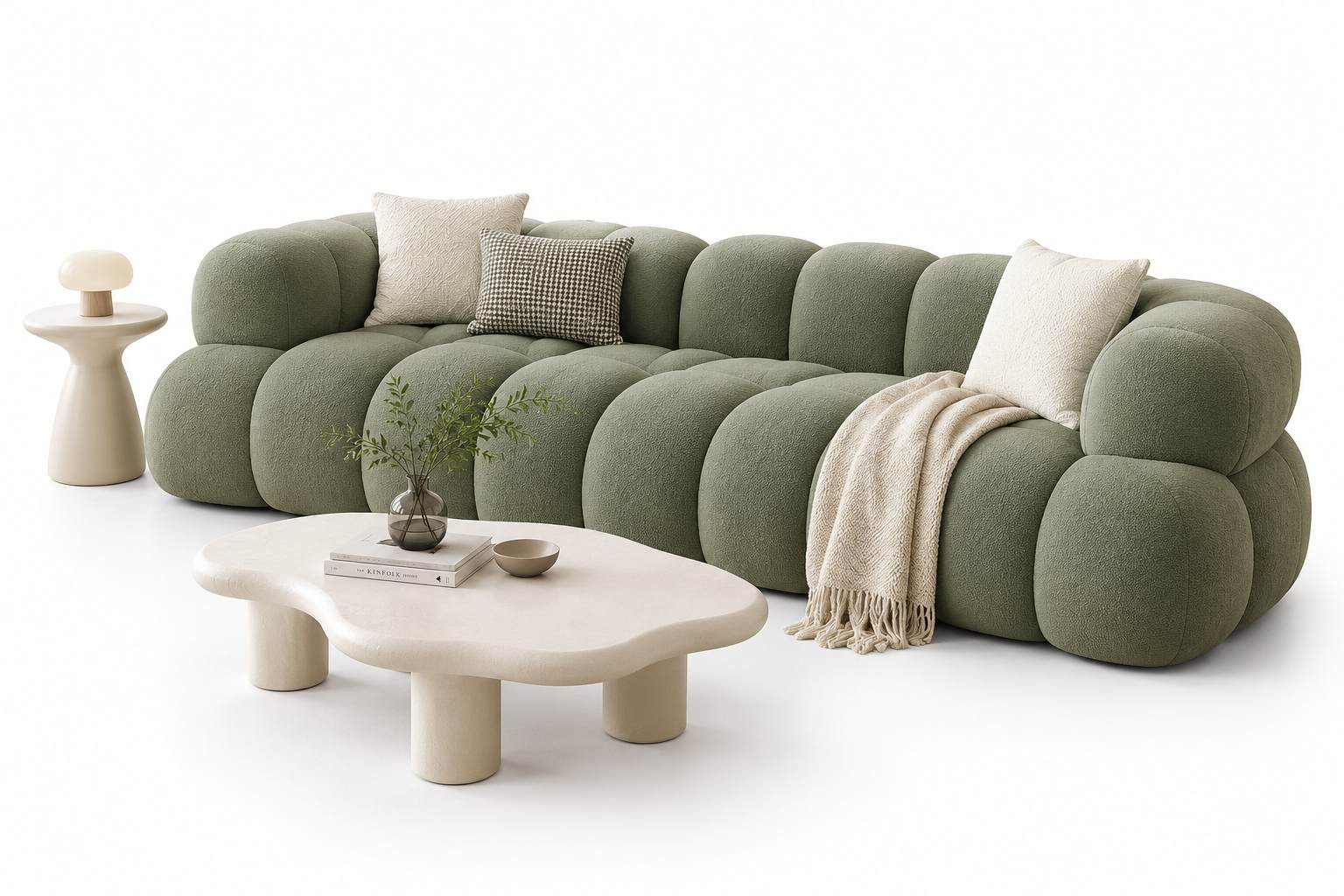


Do standard hotel lobbies or retail stores truly stand out? Unique interior design creates memorable commercial spaces.
Sadly, finding reliable bespoke furniture often brings hidden costs and frustrating delays.
In this guide, you will learn how to source custom furniture for retail and hospitality projects successfully.
Understanding the Demand for Custom Hospitality Furniture and Retail Spaces
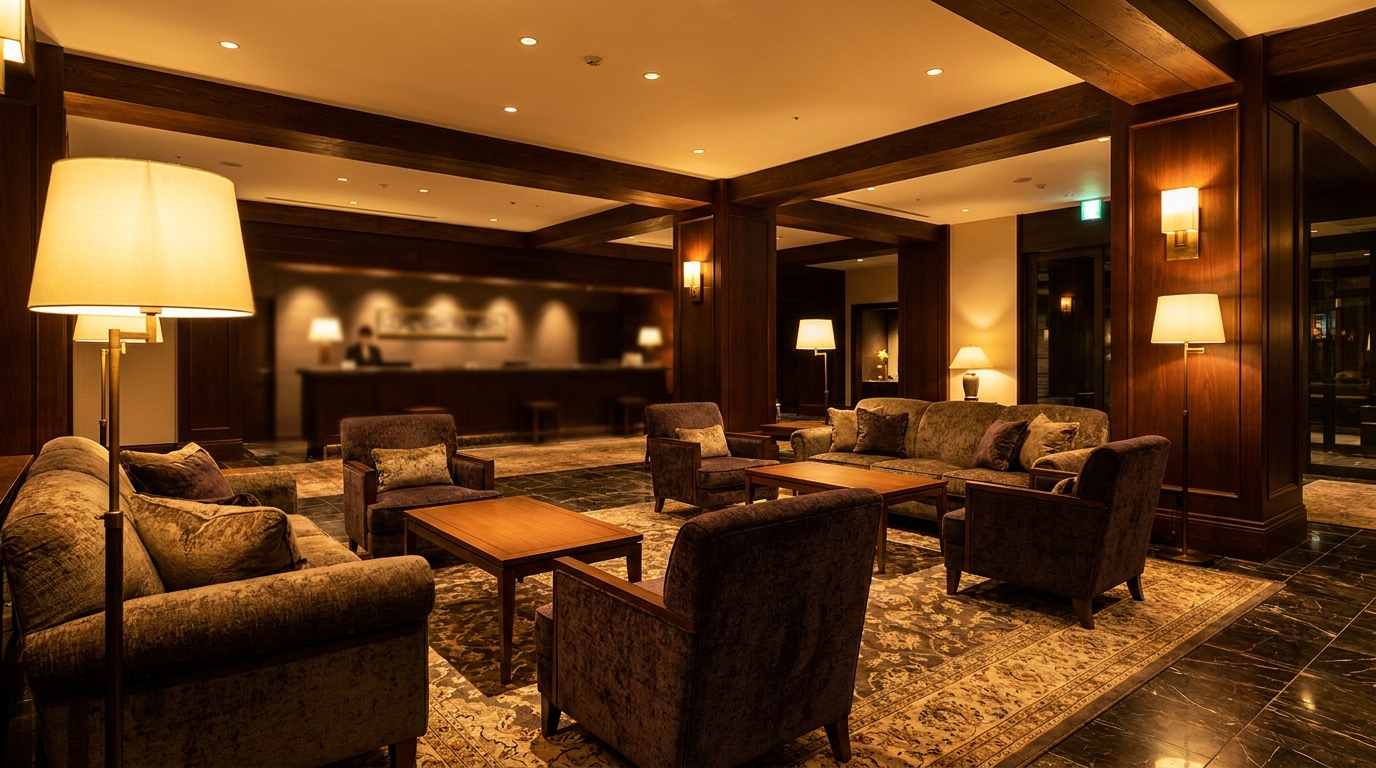
We noted the challenges of bespoke sourcing earlier. You might wonder why designers avoid ready-made pieces. Off-the-shelf furniture looks great in a catalog. However, it often fails in commercial environments. Standard residential sofas frequently break down within three to six months under heavy use. Retail stores and busy hotel lobbies demand exact dimensions and incredible durability. Mass-produced items rarely meet these strict spatial and structural needs.
Bespoke pieces do more than fill a room. They directly shape your brand identity and improve spatial flow. When you source custom hospitality furniture, every piece aligns perfectly with your aesthetic vision. You control the exact fabric, texture, and finish. This matters deeply because finishes look different under various lighting conditions. You can match a custom wood stain specifically for the 2700K warm lighting of a restaurant lounge. This level of detail elevates the entire customer experience.
Essential Requirements for Commercial Environments
Commercial spaces require strict adherence to safety and durability standards. You cannot simply use residential fabrics for a hotel lobby. Fire codes and daily wear dictate specific material choices.
| Requirement Type | Commercial Standard | Why It Matters |
|---|---|---|
| Durability (Upholstery) | 50,000 to 100,000 double rubs | Prevents fabric from tearing or wearing thin in high-traffic areas. |
| Fire Safety Compliance | CAL 117-2013, BS 5852, or NFPA 260/701 | Mandatory for legal operation in retail and hospitality spaces. |
| Weight Ratings | Tested to support 300–500 lbs | Ensures structural integrity and guest safety over time. |
| Structural Backing | Acrylic backing on fabrics | Prevents fabric stretching and “puddling” on heavily used seats. |
Meeting these rigorous standards requires a highly capable production partner. Finding a reliable hotel furniture manufacturer takes serious effort. Homefurnitureliving connects China’s premium furniture industry directly to the global market. We use an innovative Industrial Cluster and Digital Operation model. This unites top-tier manufacturing lines to offer flexibility and factory-direct efficiency.
We do not just display products. We guarantee they meet strict commercial requirements. Our team conducts rigorous on-site inspections and capacity evaluations at all partner facilities. We handle comprehensive quality control and cross-border customs clearance. This ensures a seamless B2B sourcing experience from your initial inquiry to final delivery.
Retail Furniture Sourcing vs. Hospitality Sourcing: Key Differences
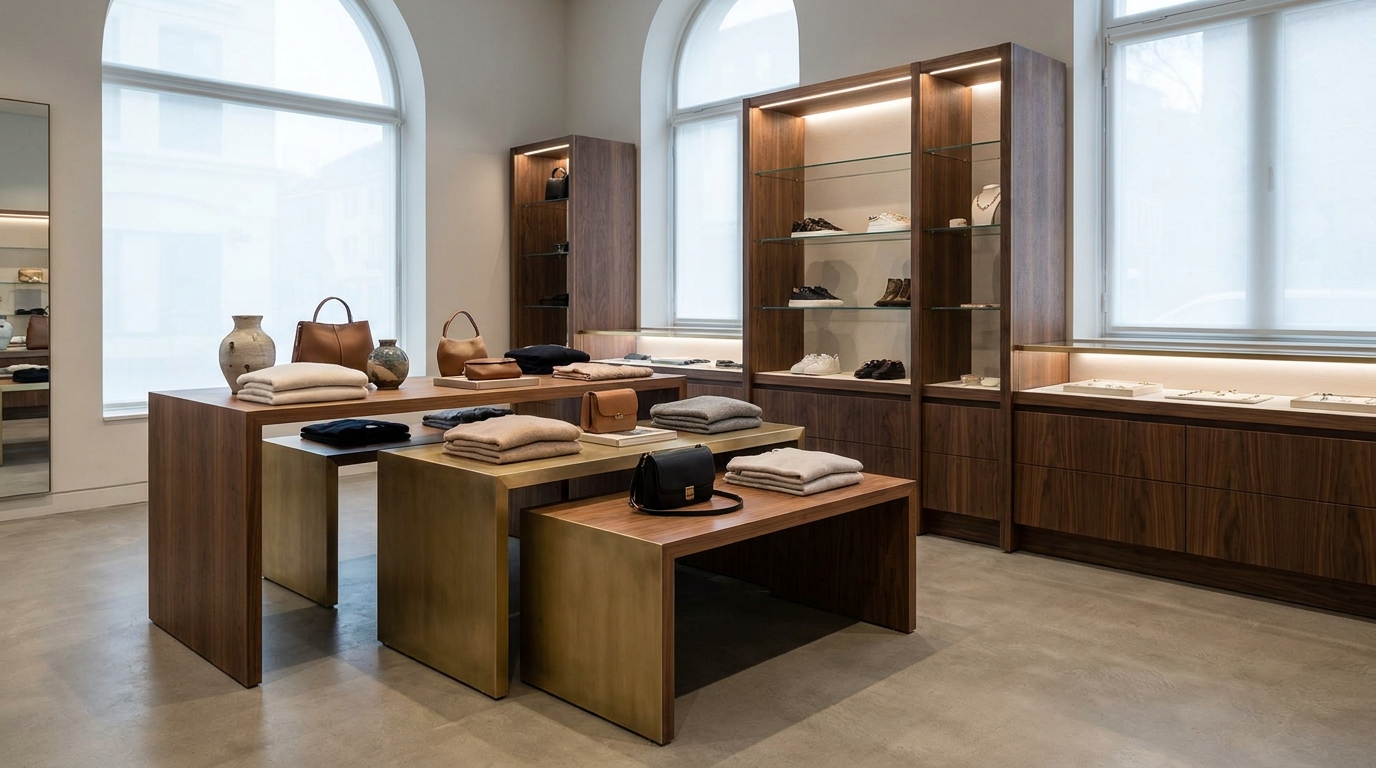
We just explored the strict safety and durability standards required for commercial spaces. You also saw how our rigorous on-site inspections ensure compliance. However, meeting baseline standards is only the first step. The actual function of your furniture changes drastically depending on the venue. A boutique clothing store and a luxury hotel lobby share high-traffic challenges. Yet, they demand very different design approaches. Understanding these distinctions helps you avoid costly design mistakes.
Retail Requirements: Focus on the Merchandise
Successful retail furniture sourcing prioritizes the product. Store fixtures must highlight merchandise without stealing attention. You need modular and space-saving designs. Retail layouts change frequently for seasonal promotions. Custom shelving, nesting tables, and adaptable display cases allow quick floor resets. Casegoods and custom millwork dominate this space. You must ensure all drawer glides use heavy-duty commercial hardware. These moving parts often fail first in busy retail environments.
Hospitality Requirements: The Guest Experience
Hotels and restaurants focus on guest comfort and atmosphere. Seating must invite users to relax while surviving constant use. As we covered earlier, upholstery needs extreme durability ratings. You also require highly precise dimensions. A dining chair seat height must sit perfectly at 18 inches. You need a minimum 10-inch clearance under the dining table. Always produce one full prototype of every major piece. We highly recommend this Model Room sit test before mass production. It prevents scaling a minor comfort issue across hundreds of rooms.
Shared Goals in Commercial Sourcing
Despite different end users, both sectors share critical procurement goals. You want cost-efficiency, timely delivery, and strict brand alignment across multiple locations.
| Feature | Retail Furniture | Hospitality Furniture |
|---|---|---|
| Primary Function | Highlight merchandise and maximize floor space. | Maximize guest comfort and create a luxurious vibe. |
| Caraterísticas principais | Modular, adaptable, and highly space-saving. | Ergonomic, exceptionally durable, and visually plush. |
| Common Pieces | Display cases, nesting tables, custom millwork. | Lounge sofas, bar stools, upholstered beds. |
| Hardware Focus | Heavy-duty drawer glides and hinges. | High-resilience foam and acrylic fabric backing. |
Purchasing wholesale commercial furniture involves managing complex logistics. You must coordinate just-in-time delivery to avoid site congestion. Custom factories usually require a minimum order quantity. They often ask for 10 to 20 units per SKU. Meeting this requirement avoids expensive small batch surcharges. Finding a partner capable of handling these distinct variables remains crucial.
This is where Homefurnitureliving steps in. We manage integrated logistics and cross-border customs clearance for you. Our Industrial Cluster model unites top-tier manufacturing lines in China. This setup offers unparalleled flexibility and factory-direct cost-efficiency. We ensure every piece aligns perfectly across your franchise locations. You get a seamless experience from initial inquiry to final delivery.
Step-by-Step Guide: How to Source Custom Furniture for Retail and Hospitality Projects

We just discussed the logistical complexities and specific requirements for different commercial spaces. Knowing these differences sets a strong foundation. Now, you need a clear action plan. Navigating the procurement process can feel overwhelming. However, breaking it down makes it manageable. Here is exactly how to source custom furniture for retail and hospitality projects without the usual stress.
Step 1: Define Project Scope and Budget
Start by outlining your exact needs. You must determine your project timeline early. Standard custom lead times range from 12 to 24 weeks. This timeline varies heavily based on your manufacturing location.
| Sourcing Region | Average Lead Time | Best Used For |
|---|---|---|
| Domestic (US/EU) | 8 to 12 weeks | Fast-track projects and low-volume orders. |
| International (Asia) | 16 to 24 weeks (includes transit) | High-volume rollouts requiring cost-efficiency. |
Next, you must establish a firm budget. We highly recommend applying the 10% rule. Allocate a 10% contingency budget for shipping fluctuations, tariffs, and unexpected on-site adjustments. This buffer protects you from sudden freight increases or port delays.
Step 2: Create Detailed Specifications
Vague ideas lead to manufacturing mistakes. You must develop comprehensive tech packs for your factory. These documents guide the entire production process.
- 3D Renderings: Clear visual representations of the final piece.
- Exact Dimensions: Precise measurements for height, width, and depth.
- Material Specs: Specific fabrics, high-resilience foams, and wood species.
- Commercial Hardware: Heavy-duty hinges and soft-close drawer glides.
As we covered earlier, clearly state your durability and fire safety needs in these documents. The factory will then produce shop drawings. These detailed technical drawings require your final approval before production starts. They bridge the gap between a designer’s aesthetic vision and a manufacturer’s technical constraints.
Step 3: Request Quotes and Evaluate
Send your tech packs to multiple vendors. When comparing proposals, look beyond the base unit price. Check what the quote actually includes. Clarify the shipping terms, such as FOB (Free on Board), to understand when ownership transfers to you.
Finding true factory-direct cost-efficiency matters when buying B2B project furniture. Homefurnitureliving excels in this exact area. We utilize an Industrial Cluster and Digital Operation model. This unites top-tier manufacturing lines in China. We conduct strict on-site inspections and rigorous capacity evaluations at all partner facilities. You get transparent pricing and guaranteed excellence without hidden middleman fees.
Step 4: Prototyping and Sampling
Never skip the physical review phase. Always request strike-off samples for finishes. These are typically 4×4 or 6×6 inch physical samples of wood finishes, fabrics, or metals. View them under your project’s specific lighting temperature to ensure a perfect match.
Next, proceed to the prototype or Model Room phase. We highly recommend producing one full prototype of every major piece. You should personally sit in the prototype chair. Test the glides on custom millwork drawers. You must verify the structural integrity firsthand. Approving a physical sample before mass production prevents scaling a single mistake across hundreds of units.
Finding the Right Hotel Furniture Manufacturer and Commercial Supplier
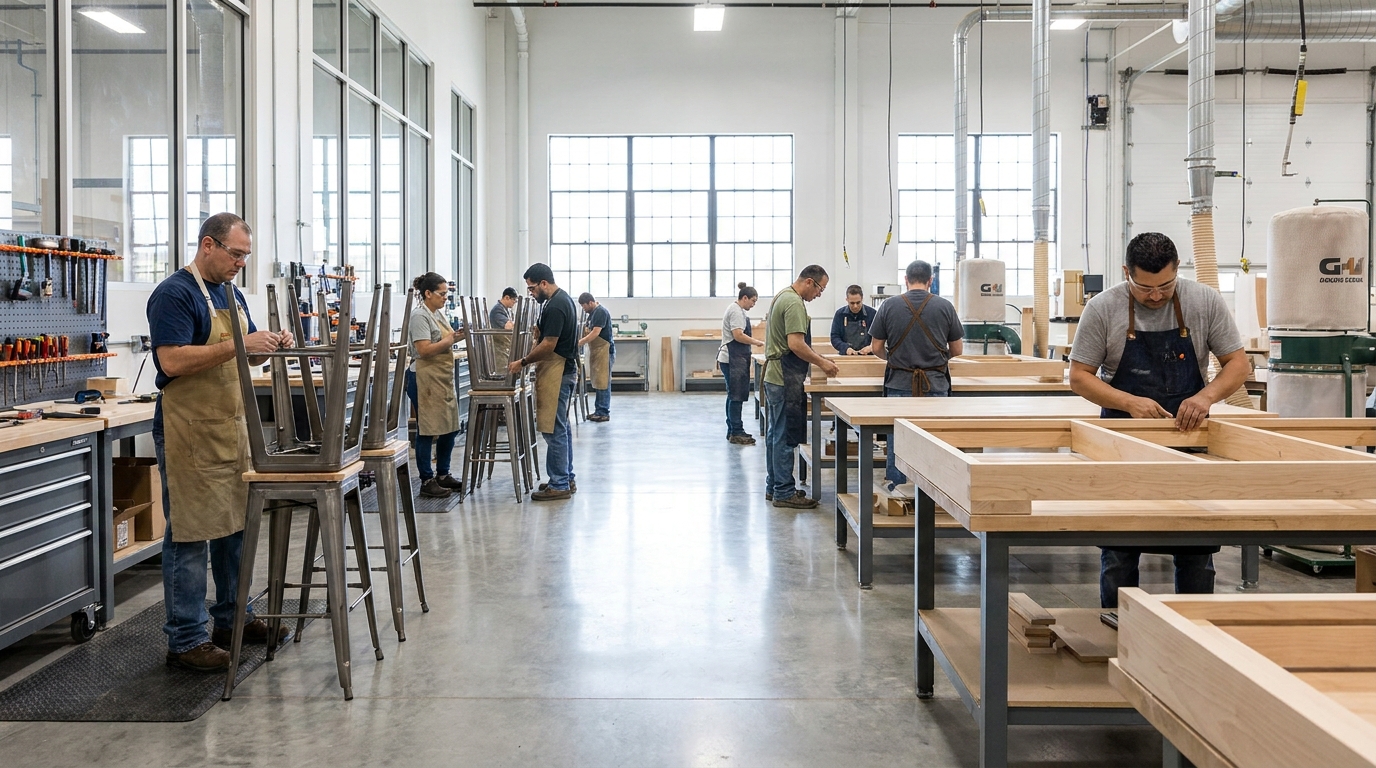
You just learned how to create tech packs and review physical prototypes. Those steps protect your design vision. However, even the best shop drawings fail if you choose the wrong production partner. Finding the right hotel furniture manufacturer makes or breaks your project timeline. Understanding how to source custom furniture for retail and hospitality projects requires strict vendor vetting. Let us explore how to evaluate these factories properly.
Assess Manufacturing Capabilities and Technological Flexibility
You must look beyond a polished website. Assess their actual manufacturing capabilities firsthand. Do they operate dedicated production lines for both casegoods and upholstery? A factory making residential sofas cannot suddenly produce 500 durable commercial bar stools. They need distinct technological flexibility. The facility should handle mixed materials like metal, solid wood, and commercial-grade foam easily. Ask about their minimum order quantities early. As we covered earlier, most custom factories require 10 to 20 units per SKU. Confirm they can accommodate your specific volume.
The Critical Role of On-Site Inspections
Never sign a contract based on photos alone. You need strict on-site inspections. Someone must walk the factory floor. They should verify machinery condition and worker safety protocols. Rigorous capacity evaluations ensure the facility can actually meet your 12 to 24-week lead time. These evaluations prevent unexpected delays during peak manufacturing seasons.
This vetting process takes immense effort. Homefurnitureliving handles this heavy lifting for you. We serve as a digital bridge connecting China’s premium furniture industry to the global market. Our innovative Industrial Cluster and Digital Operation model unites top-tier manufacturing lines. We guarantee excellence through comprehensive quality control. Our team conducts strict on-site inspections and rigorous capacity evaluations at all partner facilities. You get unparalleled flexibility and true factory-direct cost-efficiency.
Verify Portfolios and Industry Certifications
You must also verify their track record. Review their past B2B project furniture portfolios closely. Have they completed similar retail or hospitality rollouts? Ask for client testimonials. Contact past buyers directly to ask about durability. You must also check their industry certifications.
| Evaluation Criteria | What to Look For | Why It Matters |
|---|---|---|
| Production Lines | Specialized machinery for mixed materials. | Ensures they can build complex custom designs accurately. |
| Factory Capacity | Proven ability to handle large order volumes. | Prevents missed deadlines and costly shipping delays. |
| Certifications | FSC wood, low-VOC finishes, fire safety records. | Keeps your commercial space legally and environmentally compliant. |
| Communication | Dedicated, fluent English-speaking managers. | Prevents costly design misunderstandings and production mistakes. |
Bridge the Communication Gap
Communication gaps cause massive production delays. A designer’s aesthetic vision often clashes against a manufacturer’s technical constraints. You need fluent English-speaking project managers. They bridge this crucial gap. They translate complex 3D renderings into actionable factory floor instructions. Without clear communication, your custom retail furniture sourcing project will suffer from endless revisions. A strong project manager keeps your timeline on track. They ensure every finished piece matches your exact specifications.
Quality Control Strategies for Wholesale Commercial Furniture
We just explored how strong project managers bridge crucial communication gaps. They keep your design vision intact. However, even the best factories make mistakes during mass production. You cannot rely on trust alone. You need strict oversight to protect your investment. Let us examine how to implement robust quality control strategies.
Set Non-Negotiable Standards Before Production
Quality control starts long before the factory cuts the first piece of fabric. You must establish clear, non-negotiable standards immediately. Revisit the detailed tech packs we discussed earlier. Ensure they explicitly list all required commercial grades. Do not leave room for interpretation. Specify the exact density for high-resilience foam. Require acrylic backing on all upholstery. When you source custom furniture for retail and hospitality projects, ambiguity causes expensive failures.
Verify Safety and Fire-Retardant Compliance
Commercial spaces face strict legal requirements. Your materials must meet local safety codes. You cannot skip these crucial compliance steps.
| Material Type | Common Standard | Inspection Focus |
|---|---|---|
| Upholstery Foam | CAL 117-2013 (US) | Verify fire-retardant certificates before assembly begins. |
| Textiles | BS 5852 (UK) or NFPA 260 | Check durability ratings (50,000+ double rubs) and flammability. |
| Wood Finishes | Low-VOC Certifications | Ensure non-toxic, commercial-grade lacquers are applied evenly. |
Always demand physical documentation for these materials. Factories sometimes substitute cheaper foams to save money. You must verify every certificate. This ensures all fabrics, foams, and woods meet your specific jurisdiction’s fire-retardant commercial standards.
Implement Mid-Production and Pre-Shipment Inspections
Waiting until the furniture is boxed guarantees trouble. You must implement a multi-stage inspection process. Catching defects early saves weeks of rework.
- Raw Material Check: Inspect wood frames for knots or weaknesses before applying foam.
- Mid-Production Review: Examine the first finished batch off the line. Check stitching alignment and hardware function.
- Pre-Shipment Inspection: Conduct a final review before crating. Test heavy-duty drawer glides and verify exact dimensions.
This multi-stage approach prevents costly project delays. If a factory misinterprets a finish color, you catch it on day three. You do not discover the error upon delivery.
Guarantee Excellence Through Comprehensive Systems
Managing these inspections overseas takes massive resources. You need reliable boots on the ground. Homefurnitureliving provides this exact comprehensive quality control. We do not just connect you to top-tier manufacturing lines. We guarantee excellence at every single step. Our team conducts strict on-site inspections throughout the entire production cycle. We catch minor defects before they become major disasters.
This rigorous oversight integrates directly into our logistics and cross-border customs clearance services. We handle the complex compliance checks. We ensure your bespoke pieces arrive in perfect condition. A strong quality control system eliminates the usual stress of global sourcing. It keeps your timeline secure and your commercial space looking flawless.
Navigating Logistics, Customs, and End-to-End B2B Project Furniture Delivery
We just discussed catching defects right before crating. You successfully locked in the product quality. Now, you face a new hurdle. Moving bulky items from a factory floor to your project site remains complex. A perfect custom sofa means nothing if it gets stuck at a port. Shipping delays and hidden fees quickly destroy your budget. Understanding logistics is a crucial part of how to source custom furniture for retail and hospitality projects. You must master international shipping terms to protect your investment. We will explore managing cross-border customs and tariffs below. You will also discover why integrated logistics make end-to-end delivery completely effortless.
Understanding Incoterms for Bulky Furniture Orders
International commercial terms dictate your shipping responsibilities. We call these Incoterms. They decide who pays for freight and who assumes the risk of damage. Large-volume furniture orders carry high shipping risks. You must choose your terms carefully before signing a contract.
| Incoterm | Point of Transfer | Buyer Risk Level |
|---|---|---|
| EXW (Ex Works) | At the factory door. | High. You handle all transport and export clearance. |
| FOB (Free on Board) | When loaded onto the departure ship. | Medium. The seller clears export customs. You handle the ocean freight. |
| DDP (Delivered Duty Paid) | At your final project site. | Low. The seller handles all freight, customs, and final delivery. |
FOB remains the most common term for overseas manufacturing. The factory takes responsibility until the goods sit safely on the ship. Ownership transfers to you at that exact moment. You then manage the ocean transit and final domestic trucking. If goods arrive damaged under FOB, your marine insurance covers the loss.
Managing Cross-Border Customs, Tariffs, and Documentation
Cross-border customs clearance causes major headaches for unprepared buyers. Missing a single document stops your entire shipment. Customs agents require a commercial invoice, a detailed packing list, and a bill of lading. You must ensure absolute accuracy across all paperwork.
Tariffs also fluctuate frequently. You must classify your B2B project furniture correctly. Customs uses specific HS (Harmonized System) codes for different materials. An upholstered wooden chair uses a different code than a metal bar stool. Using the wrong codes triggers massive fines or long port delays.
Budget creep often happens during this phase. You must watch out for hidden costs. Unexpected port storage fees accumulate rapidly if paperwork fails. Final mile delivery often includes surprise liftgate charges. Remember the 10% contingency budget we mentioned earlier. It saves you during these exact moments.
The Advantage of Integrated Logistics Partners
Juggling freight forwarders, customs brokers, and local truckers exhausts your team. Most commercial sites lack adequate storage space for early arrivals. You need precise just-in-time delivery. This strategy prevents massive site congestion during ongoing construction.
Managing these moving parts requires a dedicated partner. Homefurnitureliving handles this entire burden for you. We provide integrated logistics and cross-border customs clearance directly. Our digital operation tracks your shipment constantly. We ensure a seamless, end-to-end B2B sourcing experience from your initial inquiry to final delivery.
You never worry about port congestion or missing customs paperwork. Our team navigates the complex global supply chain for you. We manage the journey perfectly. You simply focus on a successful installation and opening your venue on time.
Leveraging the “Industrial Cluster + Digital Operation” Model for Your Sourcing Needs
We just covered how integrated logistics prevent site congestion and customs delays. You now understand the massive effort required to manage global supply chains. Handling quotes, factory vetting, quality control, and shipping separately exhausts even the best teams. Learning how to source custom furniture for retail and hospitality projects should not mean managing a dozen different vendors. You need a much more streamlined approach. The Industrial Cluster and Digital Operation model solves this exact problem.
Accessing Premium Manufacturing Lines and Unparalleled Flexibility
Traditional sourcing often limits your choices. You might find a factory excelling at casegoods but struggling handling upholstery. As we discussed earlier, commercial spaces demand mixed materials and strict durability standards. Connecting directly to China’s premium furniture industry changes everything. Instead of relying on a single facility, you tap into an entire industrial cluster.
This network unites top-tier manufacturing lines into one ecosystem. It offers unparalleled flexibility for your complex designs. If your project requires 500 custom bar stools alongside intricate custom millwork, the cluster adapts instantly. You get the exact technological flexibility we mentioned earlier without hunting for new suppliers.
How a Digital Bridge Simplifies the Sourcing Process
Managing an overseas industrial cluster sounds complicated. However, a digital bridge makes it incredibly simple. It centralizes all communication, quoting, and tracking. You no longer wake up at midnight to call a factory manager.
| Sourcing Stage | Traditional Method | Digital Bridge Advantage |
|---|---|---|
| Initial Inquiry | Emailing multiple unknown factories separately. | One centralized platform matches you to vetted facilities. |
| Production Tracking | Waiting days for blurry factory photos. | Real-time digital updates on your exact order status. |
| Controle de Qualidade | Hiring expensive third-party inspectors yourself. | Built-in strict on-site inspections and capacity evaluations. |
| Final Delivery | Juggling separate freight forwarders and customs brokers. | Integrated logistics handle transit and cross-border customs clearance. |
This digital operation removes the usual friction. It simplifies the entire process from your initial inquiry to final delivery. You maintain total control over your project timeline without doing the heavy lifting.
Ensuring an End-to-End B2B Sourcing Experience
True success requires combining factory-direct pricing with guaranteed quality. Platforms like Homefurnitureliving provide this exact combination. We serve as your ultimate digital bridge to the global market. We do not just display products and walk away. We guarantee excellence across your entire order.
Remember those rigorous on-site inspections we covered earlier? Our team handles all of them for you. We conduct strict capacity evaluations at all partner facilities before production starts. This ensures they can actually meet your required lead times. You receive transparent, factory-direct cost-efficiency without hidden middleman markups. By utilizing our integrated logistics, you get a truly seamless end-to-end B2B sourcing experience. Your retail and hospitality projects stay on budget and arrive exactly as designed.
Conclusão
Sourcing custom commercial furniture requires defining specs, finding manufacturers, and strict quality control.
High-quality bespoke pieces build lasting brand value.
Partner with Homefurnitureliving for seamless B2B sourcing.
- Set a strict budget for your project.
- Outline your specific material and design needs.
- Reach out to Homefurnitureliving for direct pricing.
Frequently Asked Questions About Sourcing Custom Furniture for Retail and Hospitality Projects
Can I use residential fabric for a hotel lobby?
No, you cannot use residential fabric. Hospitality spaces require highly durable materials. Fabrics must pass strict fire safety codes. They also need 50,000 to 100,000 double rubs for durability. Residential fabrics will fail quickly in high-traffic retail areas. Specify commercial-grade textiles to ensure long-lasting performance.
Is it cheaper to source custom furniture from China or domestically?
It depends on your project volume and timeline. Domestic sourcing is faster but has higher unit costs. Sourcing from China offers factory-direct cost-efficiency. Homefurnitureliving connects you with premium Chinese manufacturers. Our digital operation model ensures great pricing for high-volume orders. Overseas sourcing requires much longer lead times for delivery.
How can I prevent hidden costs when buying custom furniture?
Always allocate a 10% contingency budget for unexpected expenses. Hidden costs often include shipping fluctuations, tariffs, and storage fees. Work closely with a trusted partner like Homefurnitureliving. We provide integrated logistics and cross-border customs clearance. This end-to-end service helps you avoid surprise charges.
What is the difference between custom and modified catalog furniture?
Custom furniture is built entirely from scratch. You control every detail, material, and overall dimension. Modified catalog furniture changes an existing design slightly. You might adjust the finish or alter the dimensions. Modifying existing pieces saves money on expensive engineering costs. It is a great value engineering strategy for projects.
Who is responsible if the commercial furniture arrives damaged?
Responsibility depends on your agreed shipping terms, called Incoterms. Terms like FOB transfer risk when goods board the ship. Homefurnitureliving ensures a seamless B2B sourcing experience. We conduct strict on-site inspections before shipping any items. Comprehensive quality control greatly reduces the risk of damaged goods.
Sourcing custom furniture requires careful planning and reliable partners. Balancing lead times, safety standards, and budgets ensures success. Using a trusted platform like Homefurnitureliving simplifies this complex process. Our service guarantees high-quality manufacturing and seamless global logistics.
- Review your project timeline to determine exact delivery deadlines.
- Define your minimum durability requirements for all upholstery fabrics.
- Request physical strike-off samples to verify finishes in person.
- Contact our team to start your factory capacity evaluation today.