

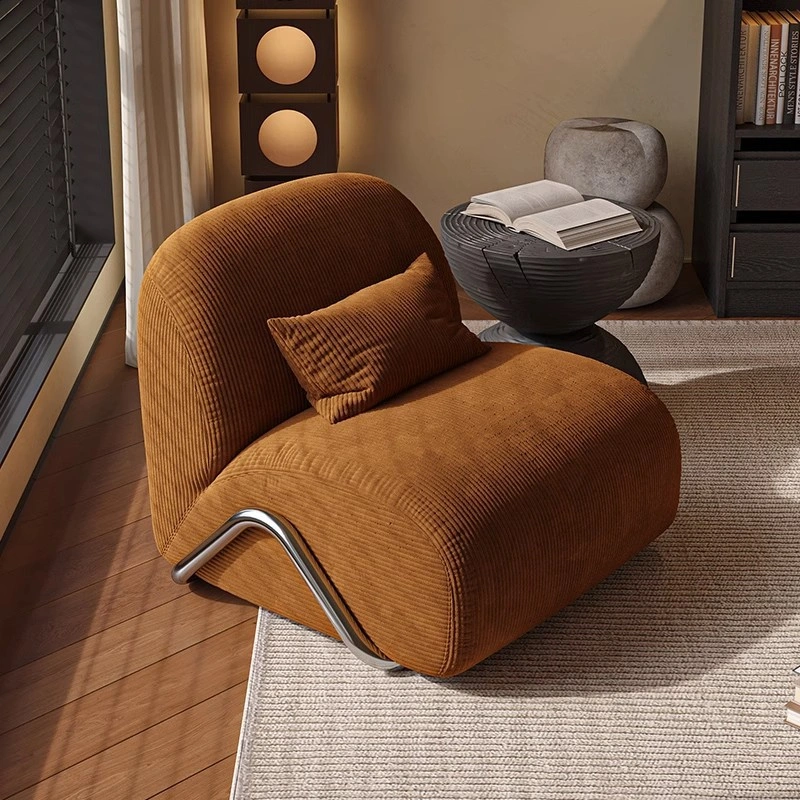
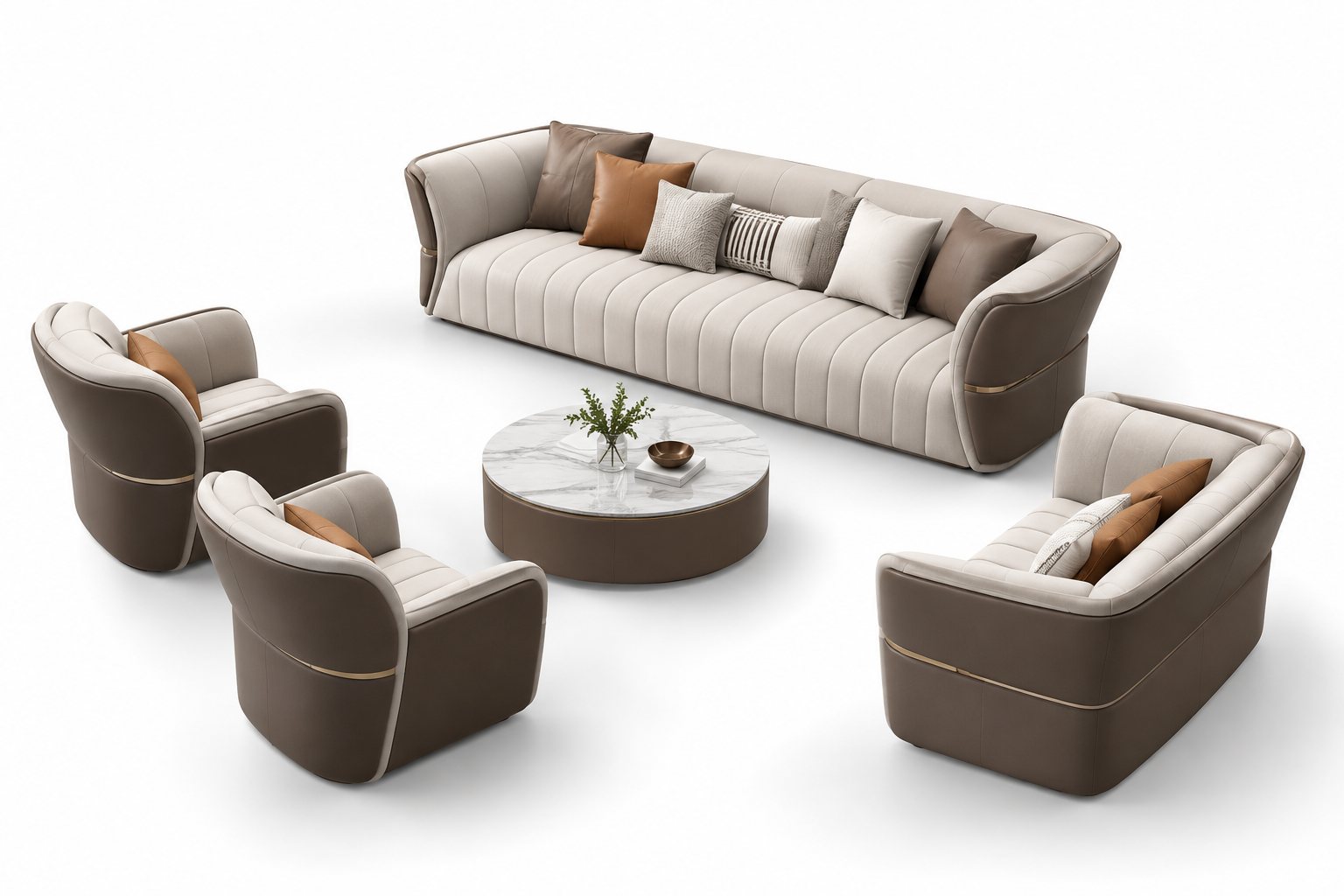
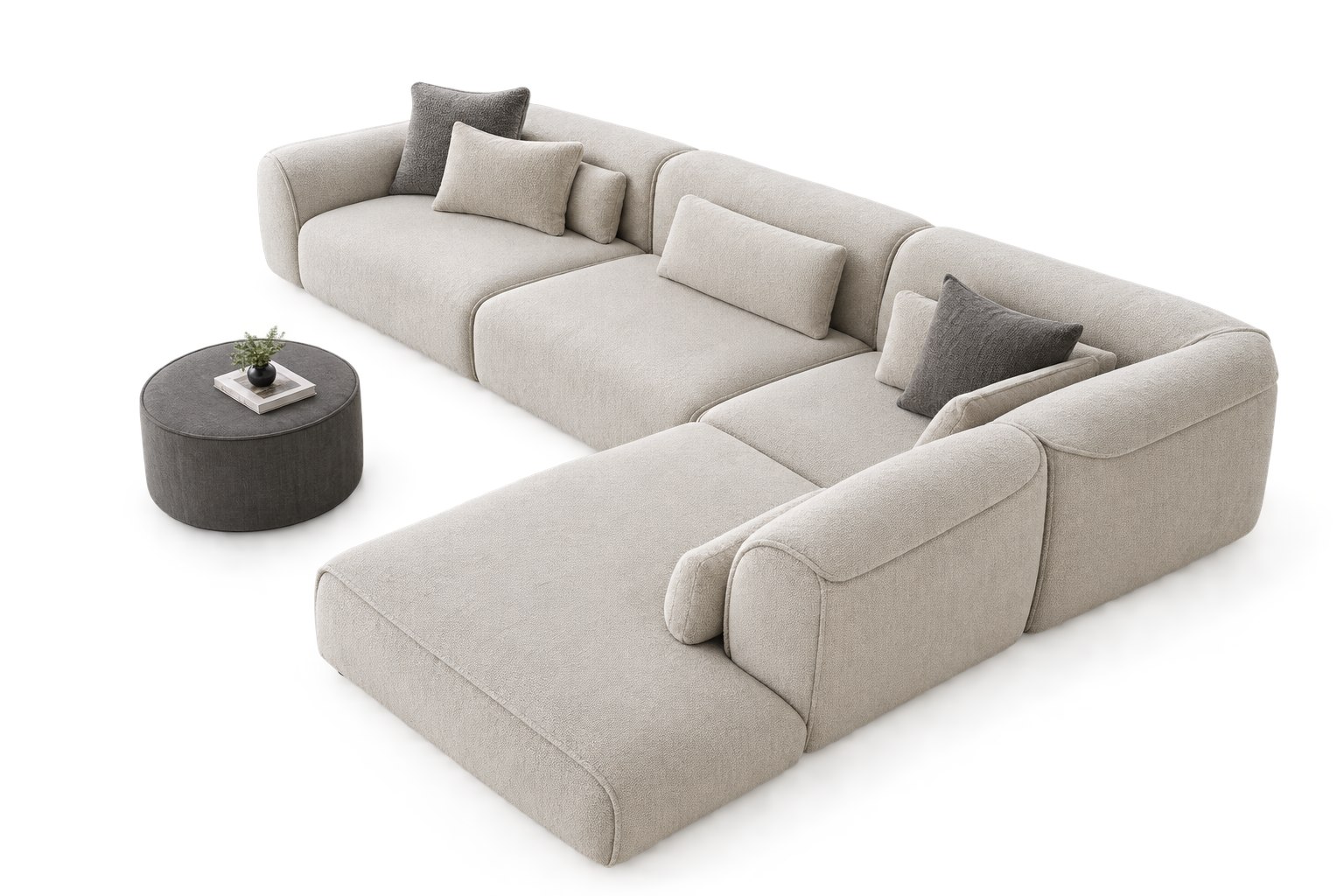
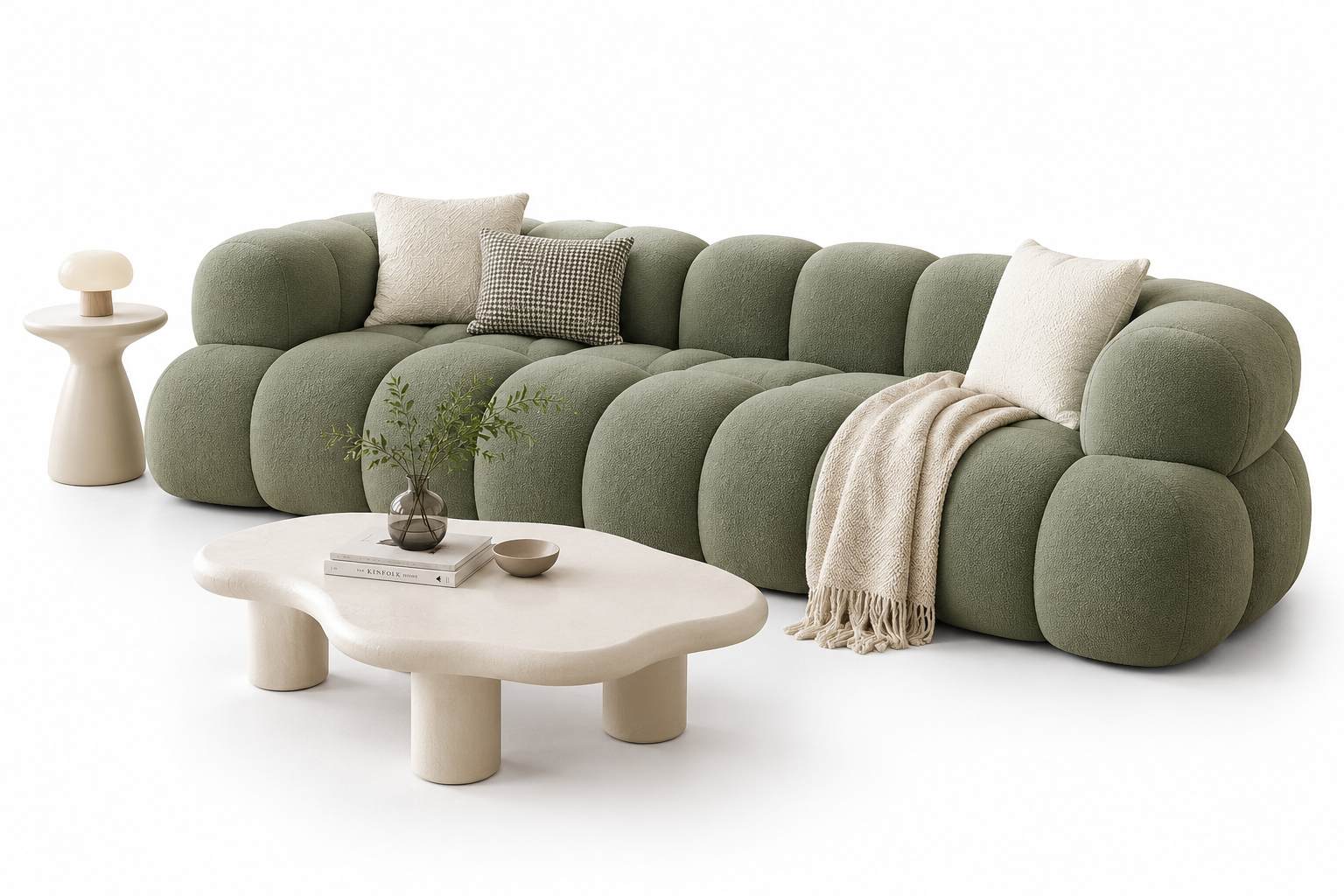
Did you know modular designs boost shipping efficiency by 40%?
Modern living demands adaptable, space-saving furniture today.
Finding a reliable modular sofa manufacturer is crucial for scaling.
In this post, you will learn what brands must evaluate.
We discuss factory capacity, OEM logistics, and seamless supply chains.
Understanding the Modular Sofa Market and B2B Opportunities
You just read how factory capacity and OEM logistics keep your supply chain moving. Now, let us look at the market forces driving this massive demand.
The Rise of Flexible Seating
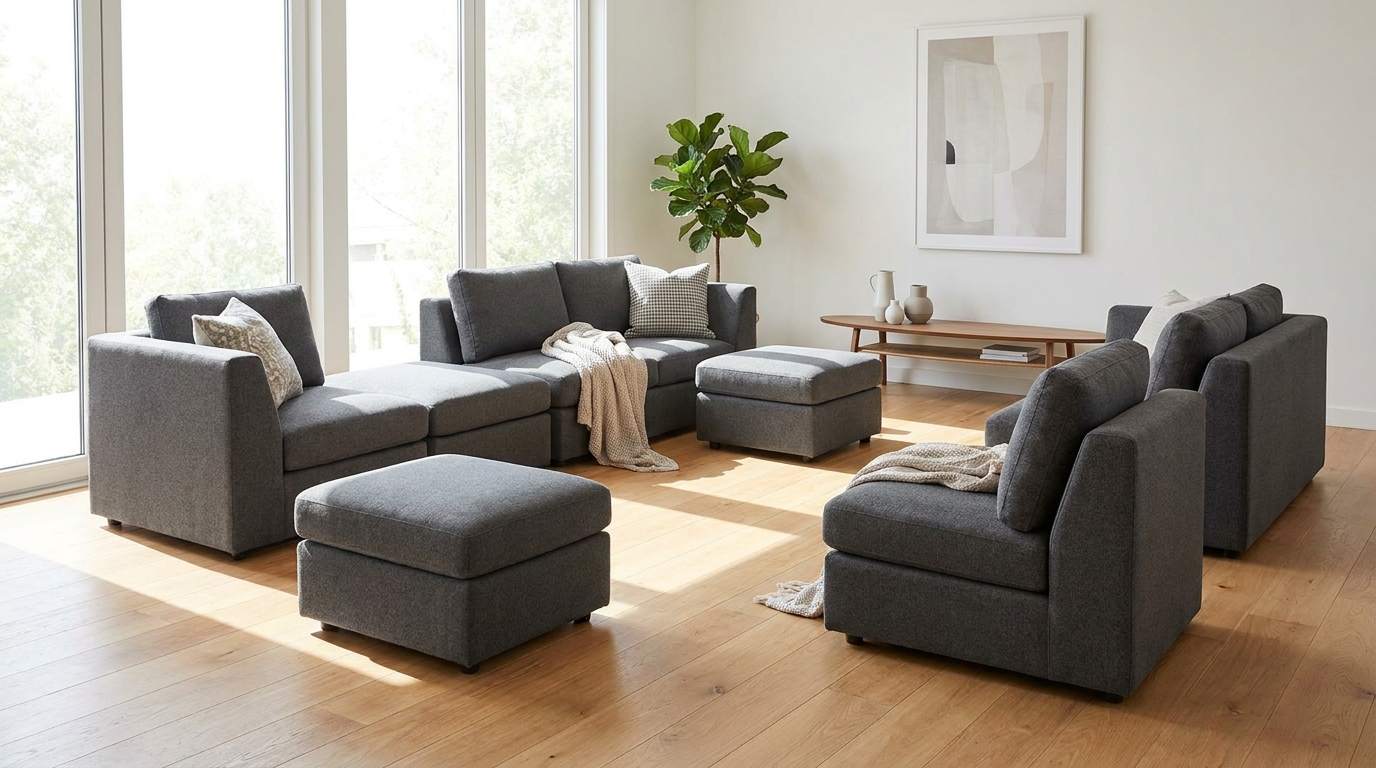
Modern living spaces shrink while consumer expectations grow. Renters and homeowners want adaptable seating options. Traditional fixed-frame sofas often fail to fit narrow staircases. They struggle to adapt to new room layouts. Modular furniture solves this problem quickly.
Pieces like armless chairs, corner units, and ottomans snap together easily. They create infinite configurations for the end user. High-quality connectors keep these sections secure. Brands often use hidden friction brackets or U-clips to maintain a clean look. This adaptability makes modular designs a top choice for modern furniture brands.
Profitability and Scalability
Profitability in furniture e-commerce hinges on shipping efficiency. Bulky items usually eat up margins through high volumetric weight surcharges. Modular designs change the math entirely. They increase container loading capacity by 20% to 40% compared to standard sofas. You ship less “dead air” across the ocean.
When you scale your B2B modular sofa sourcing, these space savings directly boost your bottom line. Homefurnitureliving serves as your digital bridge for this process. We use an innovative “Industrial Cluster + Digital Operation” model. We connect global brands directly with China’s premium manufacturing lines. Our team conducts strict on-site inspections. We handle integrated logistics and cross-border customs clearance so you can focus on growth.
Collaborating Without Heavy Overhead
Building your own manufacturing facility requires massive capital. You face equipment costs, labor management, and raw material sourcing. Partnering with a specialized custom couch factory removes this heavy overhead. You leverage their existing CNC cutters and automated sewing machines.
Standard production cycles take 30 to 45 days. Prototyping new designs usually requires just 15 to 21 days. You can test performance fabrics or sustainable wood frames quickly. You bring trend-setting designs to market faster without carrying factory risks.
| Sourcing Metric | Fixed-Frame Sofas | Sofás Modulares |
|---|---|---|
| Container Loading Efficiency | Standard (High dead air) | +20% to 40% higher capacity |
| E-commerce Packaging | Oversize box surcharges | Optimized flat-pack / ISTA-6A |
| Flexibilidade de conceção | Static configurations | Infinite layouts (corner, armless, ottoman) |
| Manufacturing Overhead | Requires large assembly space | Streamlined component production |
Key Factors to Evaluate in a Modular Sofa Manufacturer
You already know modular designs cut manufacturing overhead and boost container capacity. But realizing these benefits requires the right partner. Before placing your first modular sofa OEM order, you must vet potential factories carefully. A reliable supplier ensures consistent quality, scales with your growth, and protects your brand reputation. Let us explore the critical factors you need to assess.
Production Capacity and Scalability
Your business needs room to grow. A factory might handle a small pilot run but struggle during peak seasons. Ask about their Minimum Order Quantities (MOQs). Most standard MOQs range from a 1x20GP to a 1x40HQ container. This usually means 30 to 50 units per style. You should also verify their workforce stability and equipment. At Homefurnitureliving, we conduct strict on-site inspections and rigorous capacity evaluations. We ensure our partner facilities can seamlessly scale your production without bottlenecks.
Material Quality and Sourcing
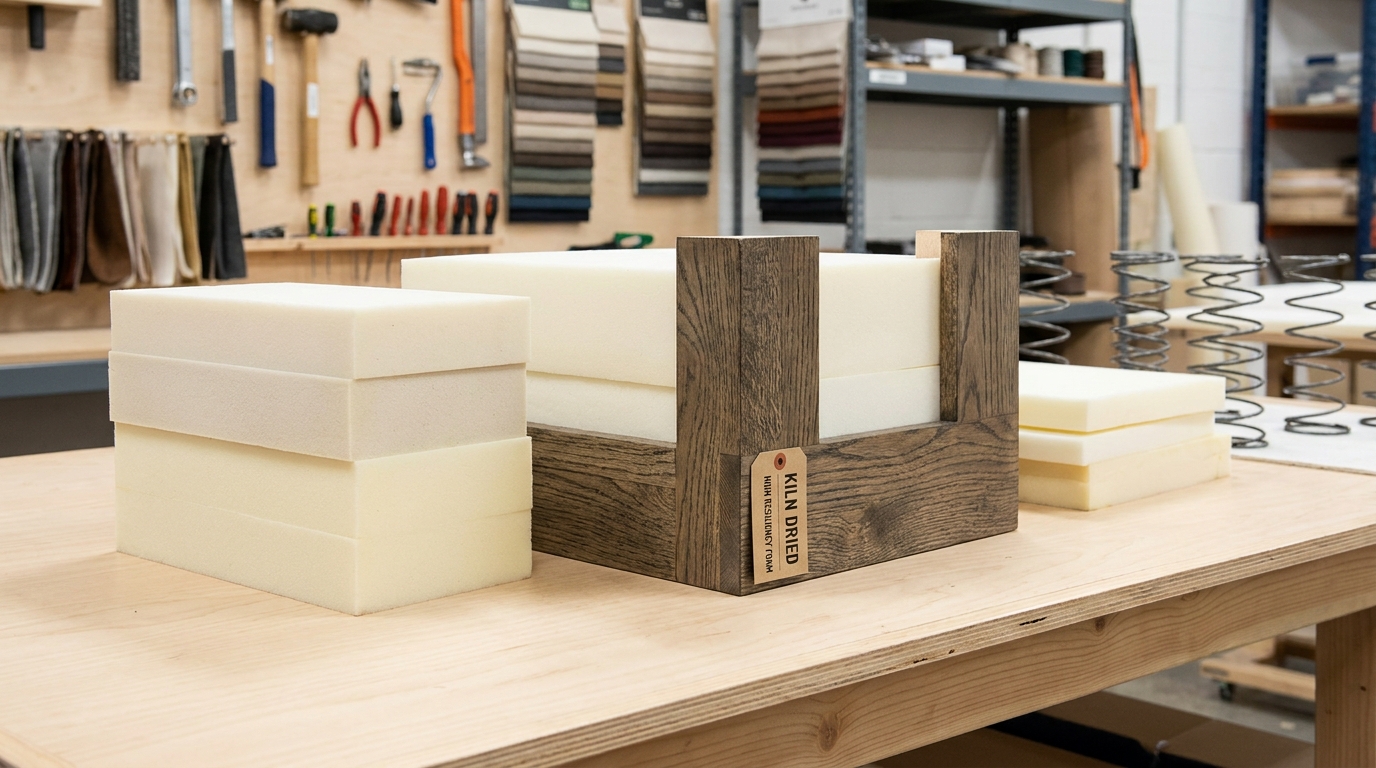
High-quality components define the lifespan of your furniture. First, you must check the frame materials. Kiln-dried wood must maintain a moisture level of 8% to 12%. This prevents cracking or warping in different climates. Next, you should evaluate the foam density. Standard cushions use 28 to 30 kg/m³ foam. For premium durability, specify High-Resiliency (HR) foam at 35 to 45 kg/m³. Finally, verify fabric durability using the Martindale test. Residential fabrics need 15,000 to 20,000 rubs. Heavy-duty commercial fabrics should exceed 50,000 rubs.
| Component | Standard Requirement | Premium / Commercial Requirement |
|---|---|---|
| Wood Frame Moisture | 8% – 12% (Plywood) | 8% – 12% (Solid Ash/Oak or high-grade LVL) |
| Foam Density | 28 – 30 kg/m³ | 35 – 45 kg/m³ (High-Resiliency) |
| Fabric Durability | 15,000 – 20,000 rubs | 50,000+ rubs (Martindale test) |
| Weight Capacity | 250 lbs per seat section | 300+ lbs per seat section |
Customization and R&D Capabilities
Your brand needs unique features to stand out. Assess if the factory can execute bespoke layouts like custom corner units or armless chairs. They must understand the technical specs of modular hardware. For instance, high-end designs often use hidden friction connectors or U-clips. This keeps the pieces looking clean from all 360 degrees. A top-tier modular sofa manufacturer China will have a strong R&D team. They translate your CAD drawings into functional, structural pieces quickly.
Prototyping and the Golden Sample
Never authorize mass production based on 3D renders alone. As we covered earlier, prototyping usually takes 15 to 21 days. Use this time to test the physical model. Check the seating comfort, fabric alignment, and connector stability. Once you approve the prototype, establish a Golden Sample. Both your brand and the factory QC team must sign, date, and hold this final physical sample. It serves as the absolute benchmark for all future production runs.
Certifications and Compliance
Meeting regional safety and environmental standards is non-negotiable. Non-compliance leads to customs seizures and costly recalls. Ensure the factory sources certified materials. You should request documentation for the following standards:
- FSC (Forest Stewardship Council): Ensures wood comes from responsibly managed forests.
- CertiPUR-US: Guarantees foam is free from harmful chemicals and heavy metals.
- OEKO-TEX Standard 100: Certifies upholstery fabrics are safe for human contact.
- Fire Safety Compliance: Verifies the finished piece meets laws like CAL 117 (USA) or BS 5852 (UK).
Why Choose a Modular Sofa Manufacturer China?
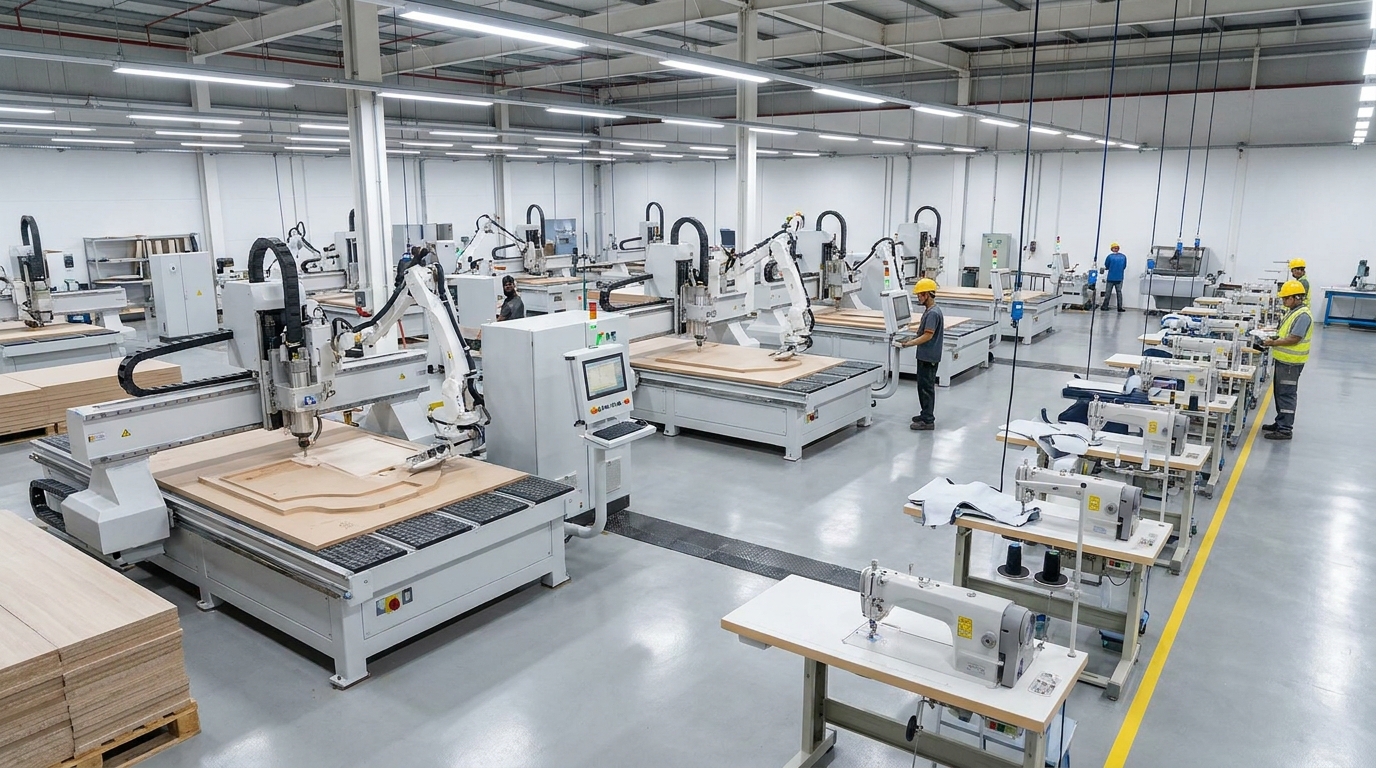
You just learned how strict certifications protect your brand from costly recalls. Now, you might wonder where to find partners capable of meeting these exact standards consistently. Sourcing from a reliable factory in China offers distinct advantages for growing furniture brands. You secure premium quality while keeping your budget intact. This section explores why the region dominates the global furniture supply chain. We will cover cost-efficiency, advanced manufacturing ecosystems, and the power of industrial clusters.
Cost-Efficiency and Factory-Direct Pricing
Brands often struggle to balance premium quality and affordable production. Choosing a Chinese manufacturer solves this problem directly. You take advantage of factory-direct pricing to keep your margins healthy. This approach bypasses expensive middlemen and regional trading companies completely. At Homefurnitureliving, we connect you directly to top-tier manufacturing lines. You secure high-end materials like High-Resiliency foam and kiln-dried wood at better rates. Your wholesale modular seating orders become much more profitable. You achieve this cost-efficiency without ever compromising on the final product quality.
Advanced Manufacturing Ecosystems
The region boasts incredibly mature supply chains. Factories employ a highly skilled labor force trained in modern upholstery techniques. They operate cutting-edge production lines daily. You will find automated sewing machines and precision CNC wood cutters in these facilities. This technology ensures every interlocking bracket and U-clip aligns perfectly.
As we covered earlier, modular units demand precise engineering for seamless configurations. These advanced ecosystems handle complex bespoke layouts easily. They turn your CAD drawings into physical reality much faster than emerging markets. You benefit from their deep experience in handling performance fabrics and complex KD (Knock-Down) packaging requirements.
The Industrial Cluster Advantage
Furniture production requires many different components working together. You need fabric, foam, wood framing, and metal hardware. In China, these specialized suppliers cluster together geographically. Localized networks of raw material suppliers sit right next to final assembly plants.
This proximity speeds up production times drastically. It eliminates long domestic transit delays for raw materials. We leverage an innovative “Industrial Cluster + Digital Operation” model at Homefurnitureliving. We unite these local networks to offer unparalleled flexibility. We handle the integrated logistics and cross-border customs clearance for you. This cluster strategy ensures your supply chain remains resilient, fast, and highly cost-effective.
| Supply Chain Feature | Isolated Factory Model | Chinese Industrial Cluster Model |
|---|---|---|
| Raw Material Sourcing | Requires long-distance shipping | Suppliers located within the same city |
| Production Speed | Vulnerable to material delays | Rapid component assembly and prototyping |
| Eficiência de custos | Higher domestic freight costs | Lower overhead and shared logistics |
| Problem Resolution | Slow communication between vendors | Immediate on-site adjustments |
Industrial clusters also foster intense competition among local material suppliers. This competition drives down prices while pushing innovation forward. Factories can quickly source new stain-resistant fabrics or upgraded hidden connectors. They adapt to your design changes in days instead of weeks.
Navigating the OEM Order Process: From Inquiry to Delivery
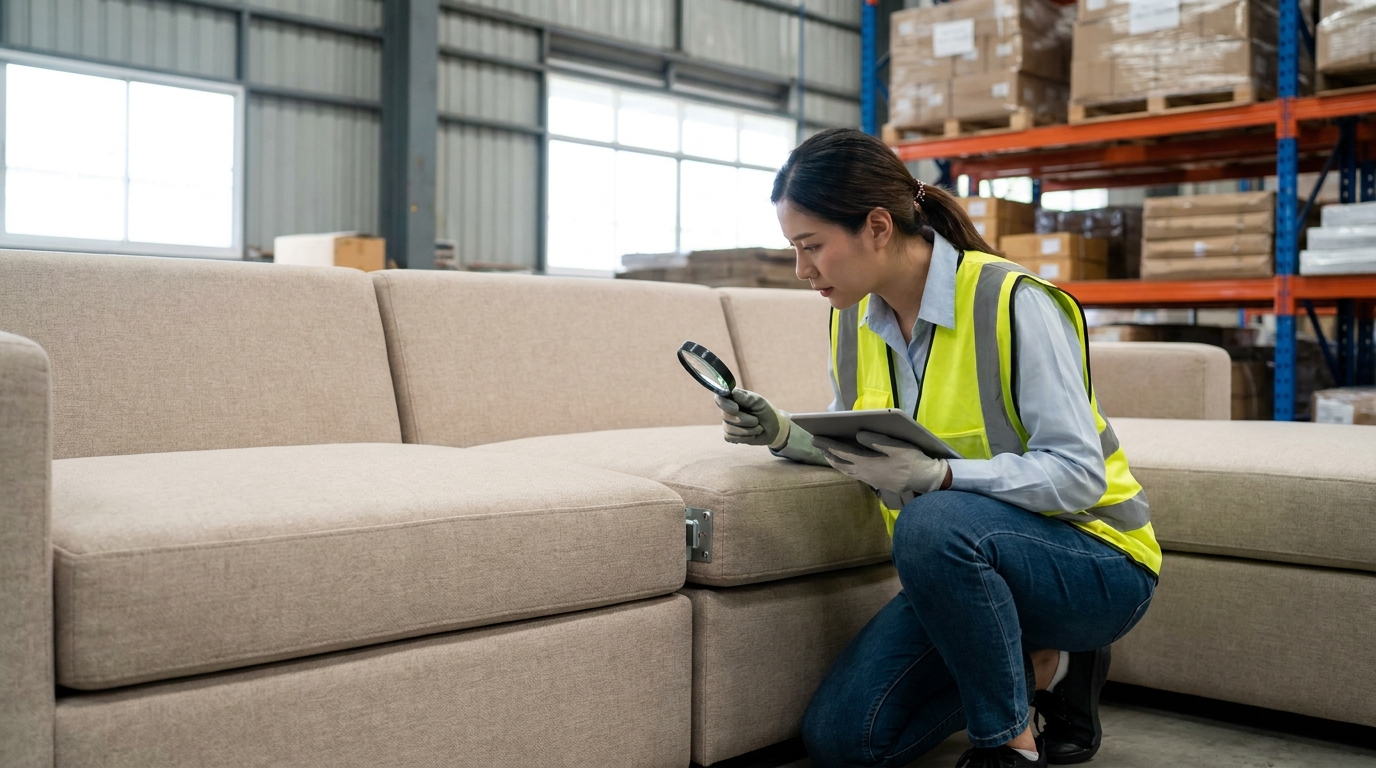
You now understand how industrial clusters speed up innovation and lower costs. But how do you actually move from a concept to a finished product? Placing an OEM order requires a clear roadmap. You need to manage details carefully to avoid costly mistakes. This section breaks down the entire process. We will guide you from your first inquiry through final delivery.
Initial Consultation and Specification
The process starts with a detailed consultation. You must define your product specifications clearly upfront. Share your exact dimensions, fabric choices, and frame materials. Specify if you need High-Resiliency foam or standard density. Discuss your Minimum Order Quantity (MOQ) early. As noted earlier, standard MOQs usually sit around 30 to 50 units per style. You also need to finalize packaging requirements. Decide if you need KD (Knock-Down) flat-packs to avoid oversize shipping surcharges. Clear communication here prevents costly misunderstandings later.
Factory Audits and Evaluations
You should never skip vetting the manufacturing facility. You need to confirm they can actually handle your production volume. A sleek catalog means nothing without reliable machinery and stable workers. This makes rigorous capacity evaluations absolutely essential. We take this step very seriously at Homefurnitureliving. We conduct strict on-site inspections for all our partner facilities. We verify their equipment, labor practices, and production speed. This guarantees the factory meets your exact standards before you commit any funds.
Comprehensive Quality Control (QC)
Quality control cannot wait until the end of production. You must implement comprehensive quality control checks at multiple stages. You must inspect the raw materials first. Ensure the kiln-dried wood meets the moisture rules discussed earlier. Check the fabric against the required Martindale test standards. Next, conduct a During Production Inspection (DPI). This catches alignment issues involving interlocking brackets early. Finally, perform a Pre-Shipment Inspection (PSI). Compare the finished units directly against your signed Golden Sample.
| QC Stage | Timing | Key Focus Areas |
|---|---|---|
| Pre-Production Inspection (PPI) | Before assembly begins | Raw material verification (wood moisture, foam density, fabric rubs). |
| During Production Inspection (DPI) | 20% – 30% completion | Connector alignment, sewing precision, frame stability. |
| Final Random Inspection (FRI) | 100% finished, 80% packaged | Golden Sample comparison, packaging drop tests (ISTA-6A). |
Integrated Logistics
The final hurdle involves getting bulky furniture across the ocean. Modular designs already help increase container loading capacity significantly. You must optimize your box dimensions further to maximize this advantage. Nest removable backrests together to reduce shipped dead air. Once packed, you face the complexities of global shipping. Homefurnitureliving provides integrated logistics to handle this heavy lifting. We manage container booking, direct shipping, and cross-border customs clearance. We ensure a seamless end-to-end B2B sourcing experience straight to your warehouse.
How Homefurnitureliving Elevates Your B2B Modular Sofa Sourcing
You just saw how global shipping and strict quality control demand intense oversight. Managing these moving parts alone drains your resources. You need a partner capable of handling these complexities seamlessly. Homefurnitureliving serves as your ultimate digital bridge in this process. We connect your brand directly to China’s premium furniture industry.
The Ultimate Digital Bridge
Finding a reliable modular sofa manufacturer China takes time. Language barriers and time zones often slow down communication. We eliminate these friction points completely. Our platform acts as a direct conduit between global furniture brands and elite factories. You get a seamless sourcing experience from day one. We translate your technical specifications into actionable factory directives. This process ensures your custom designs match your exact vision.
Innovative Industrial Cluster and Digital Operation Model
We mentioned the power of localized supply chains earlier. We take this concept further through our innovative Industrial Cluster and Digital Operation model. We unite top-tier manufacturing lines in one centralized digital ecosystem. This setup offers unparalleled flexibility for your next modular sofa OEM order. You gain immediate access to specialized component makers. They supply high-resiliency foam and precision-cut wood frames quickly. This unique model guarantees factory-direct cost-efficiency. You secure premium wholesale modular seating and avoid middleman markups.
Guaranteed Excellence Beyond the Catalog
Many sourcing platforms just display products and step away. We refuse to operate like them. We guarantee excellence at every single step. All our partner facilities undergo strict on-site inspections. We conduct rigorous capacity evaluations to ensure they can scale. We verify their equipment, labor practices, and financial stability. You never worry if a custom couch factory handles your peak volume. We do the heavy vetting for you.
End-to-End Supply Chain Management
A successful order requires more than just good manufacturing. It demands flawless execution from start to finish. We provide comprehensive quality control right on the factory floor. Our teams execute the pre-production and final random inspections discussed previously. Once production ends, our integrated logistics take over. We optimize container loading to maximize your modular unit capacity. Finally, we handle the complex cross-border customs clearance.
| Sourcing Stage | Traditional Sourcing Methods | The Homefurnitureliving Advantage |
|---|---|---|
| Factory Discovery | Passive product displays only | Strict on-site inspections and capacity vetting |
| Pricing Structure | Hidden broker and middleman markups | Factory-direct cost-efficiency |
| Quality Assurance | Often outsourced to third parties | Comprehensive on-site DPI and FRI checks |
| Global Logistics | Left entirely to the buyer | Integrated cross-border customs clearance |
We deliver a truly seamless, end-to-end B2B sourcing experience. We guide your project carefully from initial inquiry to final delivery.
Conclusão
You must evaluate factory capacity and materials before ordering. A transparent partner with logistics support ensures long-term success. Partner with Homefurnitureliving for premium manufacturing and strict quality control. Please take these actionable steps to begin your journey:
- Define your specific product dimensions and required materials.
- Request a physical prototype to test overall quality.
- Contact our team to schedule strict factory evaluations.
Frequently Asked Questions About Modular Sofa OEM Orders
What is the difference between OEM and ODM for sofas?
OEM means the factory builds sofas using your exact brand designs and specifications. ODM means the factory creates the design, and you sell it under your brand. OEM gives you total creative control over the final modular sofa product. ODM saves you time and money on research, development, and initial prototyping phases.
How can I lower shipping costs for bulky modular sofas?
High shipping costs often happen because of the large volumetric weight of sofas. You can design modular backrests to be removable or foldable to save container space. This clever method helps pieces nest together, reducing empty air shipped in the container. Smart flat-pack designs can increase your container loading capacity by up to forty percent.
What is the Golden Sample rule in furniture manufacturing?
You should never authorize mass production without approving a final physical prototype first. This approved prototype is called the Golden Sample in the furniture manufacturing industry. Both your brand and the factory quality control team must hold a signed copy. It serves as the exact standard for colors, materials, and overall build quality.
How do I ensure factory quality before placing an order?
Finding a reliable partner requires strict on-site inspections and rigorous production capacity evaluations. Homefurnitureliving connects you with China’s premium furniture industry using a unique digital operation model. We guarantee excellence by carefully vetting all partner facilities for you before production starts. Our team provides comprehensive quality control to ensure a seamless sourcing experience.
Can I use my own fabric for OEM sofa orders?
Yes, many manufacturers allow you to supply your own materials for custom orders. This process is known in the industry as Customer’s Own Material, or COM. You must ensure your fabric meets durability standards like the Martindale rub test. Residential fabrics need twenty thousand rubs, while commercial fabrics require over fifty thousand rubs.
Choosing a modular sofa manufacturer requires careful planning and clear production guidelines. Homefurnitureliving provides factory-direct cost-efficiency and integrated logistics for a stress-free sourcing journey.
- Request a detailed quote with minimum order quantities.
- Ask suppliers for standard production and prototyping timelines.
- Verify valid fire safety and sustainable material certifications.
- Schedule a virtual tour to review facility machinery.