

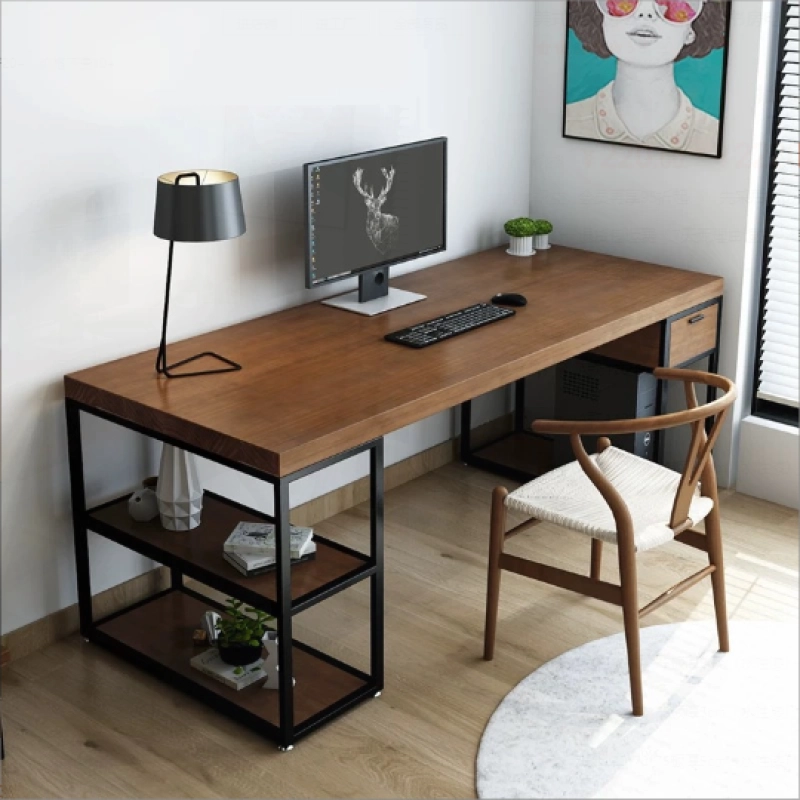
Is there a difference between a desk and a table? Buyers often confuse these common furniture pieces.
Both share flat surfaces supported by sturdy legs. Yet, their core purpose and design differ significantly.
In this post, you will learn their structural differences, commercial applications, and B2B sourcing strategies.
Defining the Basics: What Exactly is a Table?
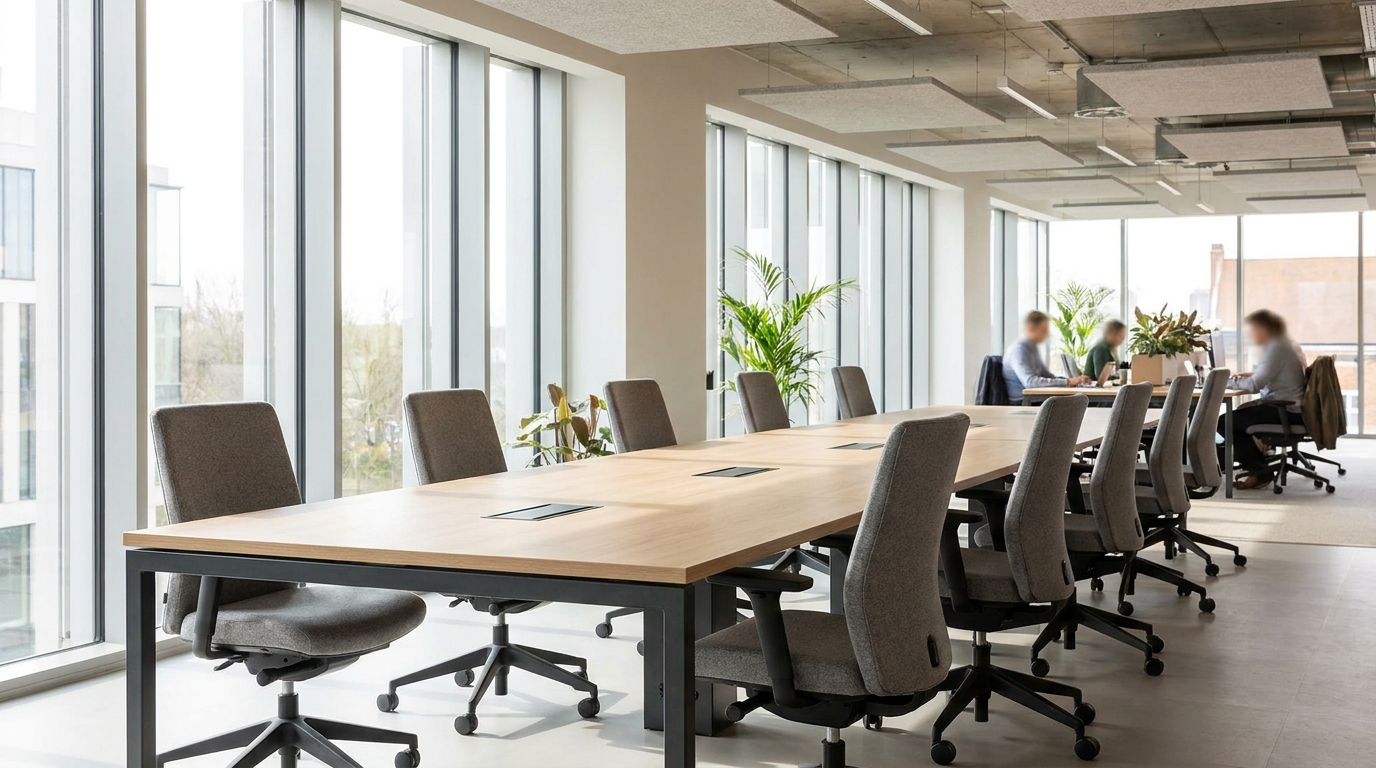
As we noted earlier, these pieces share flat surfaces supported by sturdy legs. To understand if there is a difference between a desk and a table, you must examine its core purpose. We define it as a versatile piece of furniture designed primarily for gathering, dining, or displaying items.
Core Design Characteristics
Unlike a desk, a table focuses heavily on shared space. It invites people to sit around it rather than just at it. This communal intent drives its overall structural design. Tables generally feature a zero percent built-in storage-to-surface ratio. You will rarely find integrated drawers, cubbies, or shelving underneath.
Instead, many tables include a wooden frame called an apron under the surface. This apron provides essential structural support. However, it often blocks the armrests of ergonomic office chairs. Engineers also design tables specifically to support static loads. They hold dishes, decor, and meeting materials perfectly.
Common Variations in Commercial and Residential Spaces
You will find tables in countless shapes across homes and offices. They adapt easily to various needs and environments. Common variations include:
- Dining Tables: Built for meals and social gatherings. They typically require a minimum width of 48 inches to seat four people comfortably.
- Coffee and Side Tables: Lower surfaces meant for casual display or holding drinks in lounge areas.
- Communal Workspaces: Large, open surfaces used in modern offices for collaborative projects and team meetings.
- Parsons Tables: A classic design where the legs equal the thickness of the top. People often use these as hybrid pieces in smaller apartments.
Sourcing Quality Tables for Your Business
When sourcing wholesale commercial tables, quality and reliable scale matter immensely. Homefurnitureliving serves as the ultimate digital bridge connecting global buyers to China’s premium furniture industry. We leverage an innovative “Industrial Cluster + Digital Operation” model. This approach offers unparalleled flexibility and factory-direct cost-efficiency.
If you need a reliable bulk conference table factory, we guarantee excellence. Our partner facilities undergo strict on-site inspections and rigorous capacity evaluations. From comprehensive quality control to integrated logistics, we ensure a seamless B2B sourcing experience.
| Feature | Standard Table Characteristic |
|---|---|
| Primary Intent | Social, communal, or display purposes |
| Seating Layout | Designed for seating on all sides |
| Storage Ratio | Typically 0% (lacks built-in drawers) |
| Load Capacity | Engineered for static loads |
Defining the Basics: What Exactly is a Desk?
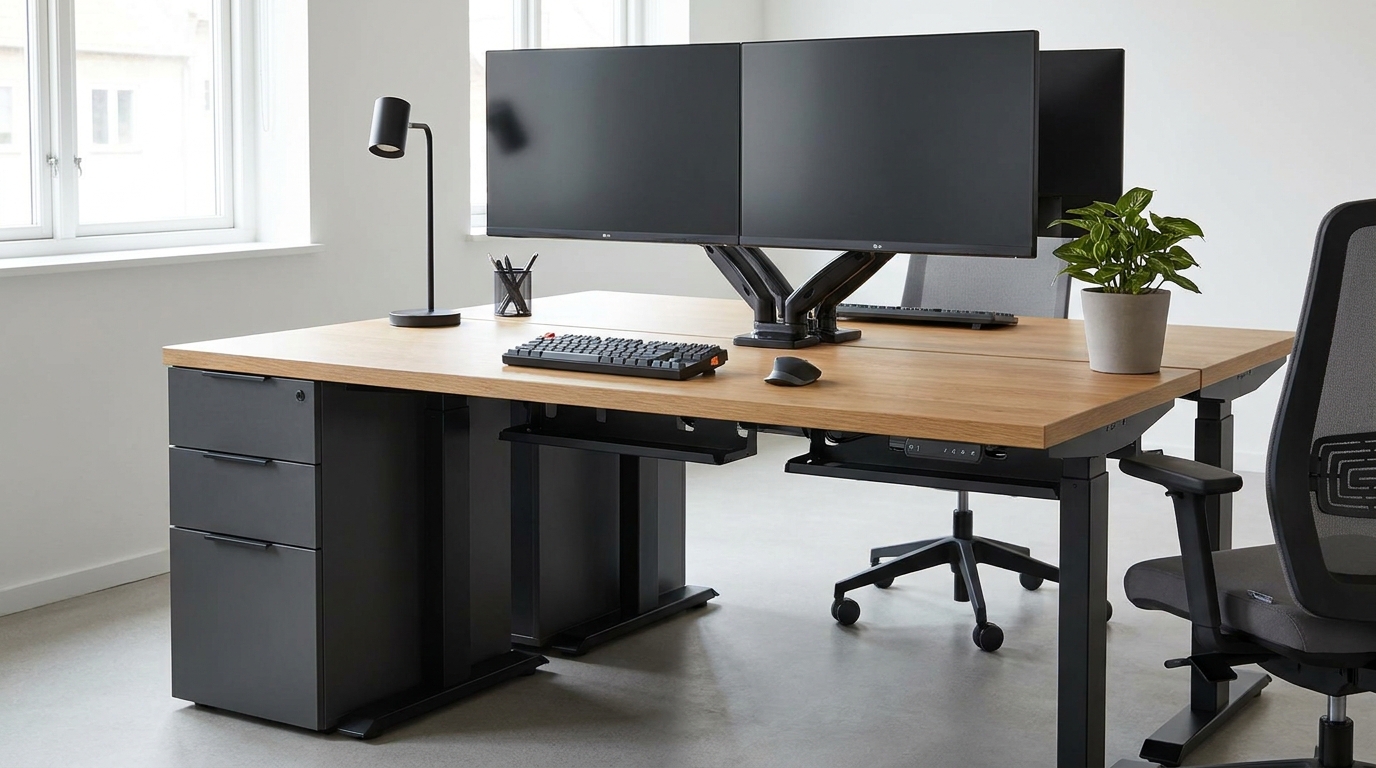
While tables focus on communal gathering and static loads, desks serve a completely different purpose. If you still wonder, “Is there a difference between a desk and a table?”, look at the user intent. A desk is a specialized, purpose-built piece of furniture. We design it specifically for individual tasks. You use it primarily for reading, writing, or intensive computer work. A desk caters directly to the person sitting at it.
Key Features and Structural Elements
Unlike a standard dining surface, a desk features a high built-in storage-to-surface ratio. They often include integrated drawers, filing compartments, and keyboard trays. Heavy-duty desks easily support dynamic loads. They hold heavy hardware like multiple monitors and CPU towers without sagging.
Ergonomics play a massive role in desk construction. To maintain proper monitor focal distance, computer desks require a minimum depth of 20 to 30 inches. They also guarantee 24 to 27 inches of vertical knee clearance. This prevents the painful legroom issues caused by low table aprons.
Desks also tackle modern technology needs. They feature built-in cable management systems. You will typically find grommet holes routing wires cleanly through the surface. Modesty panels attach to the front frame. They hide unsightly power strips and provide privacy for the user.
Professional Design for Maximum Productivity
Commercial environments demand rigorous design standards. A professional office workstation supplier categorizes desks to maximize individual employee productivity. They focus heavily on ergonomic comfort to prevent neck strain and wrist misalignment.
Homefurnitureliving partners with top-tier manufacturing lines to produce these specialized workstations. As a premier office desk manufacturer, we ensure every piece meets strict structural standards. Our digital operation model unites these facilities to offer factory-direct cost-efficiency. We conduct strict on-site inspections and comprehensive quality control. This guarantees a seamless B2B sourcing experience for your business.
| Desk Feature | Ergonomic Benefit |
|---|---|
| 20–30 Inch Depth | Maintains safe focal distance from monitors |
| 24–27 Inch Knee Clearance | Allows office chairs to fit without obstruction |
| Grommet Holes & Modesty Panels | Keeps cables organized and out of the way |
| Matte Surface Finish | Prevents computer mouse tracking issues |
The Core Distinctions: Is There a Difference Between a Desk and a Table?
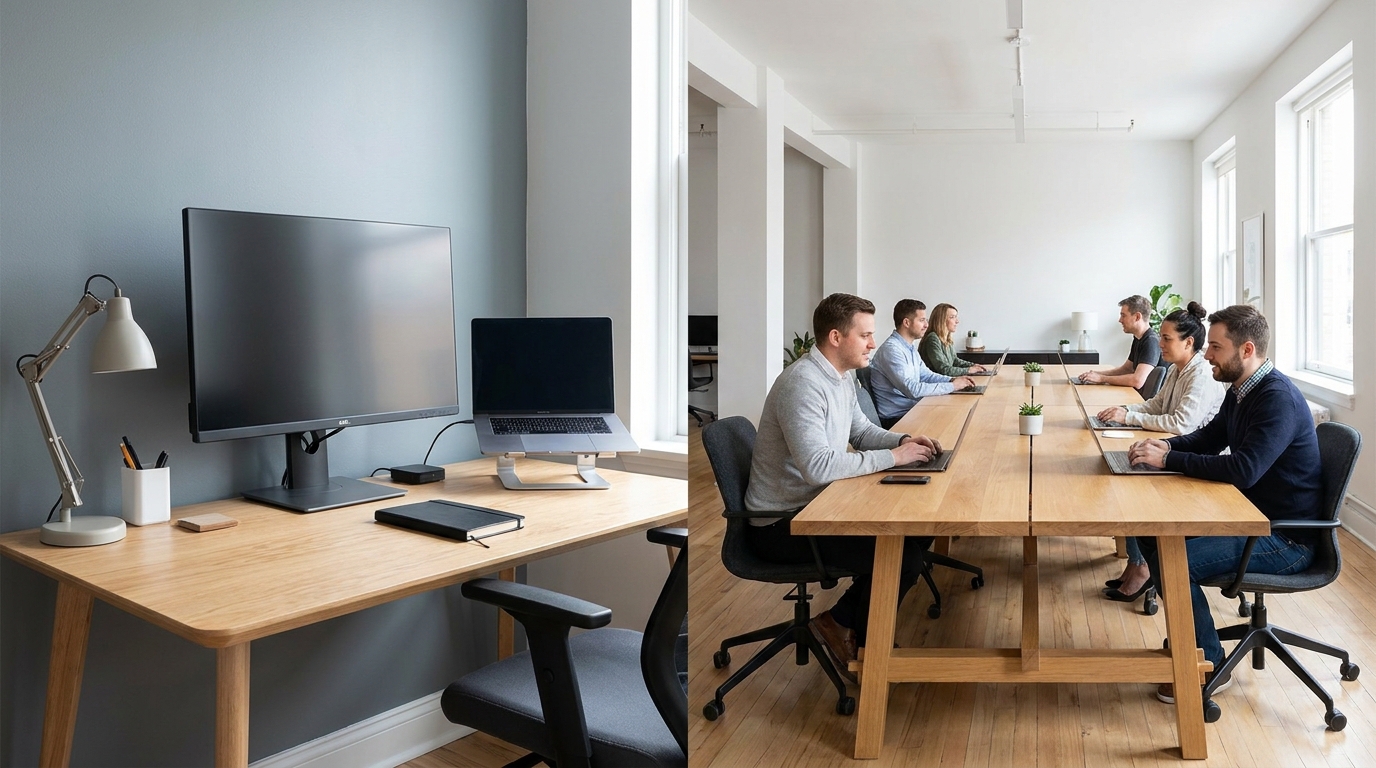
We just explored the specific ergonomic benefits of purpose-built workstations. Now, let us put these two furniture categories side by side. If you still ask, “Is there a difference between a desk and a table?”, the answer is a resounding yes. The distinction goes far beyond simple aesthetics. It directly impacts daily workflow, physical comfort, and spatial planning.
Primary Function and Daily Use
Desks are engineered for individual, task-oriented work. They boost personal productivity. You sit at them to focus on complex tasks, type on a keyboard, or review documents. They support dynamic loads like heavy monitors and computer towers.
Conversely, tables promote communal activities. They encourage collaboration and social interaction. A dining surface or meeting area brings people together. It serves as a central hub for shared experiences rather than solitary focus. You use it to host meals, lay out blueprints, or gather a team.
Storage and Organizational Features
As we covered earlier, desks typically feature a high built-in storage-to-surface ratio. They include integrated drawers, filing cabinets, and small cubbies. This keeps individual workspaces tidy and highly organized. You have immediate access to your daily tools.
Tables take the exact opposite approach. They offer a clean, unencumbered underside. They usually maintain a zero percent storage ratio. This specific design choice maximizes legroom for multiple people sitting around the perimeter. It prevents knocked knees and cramped seating during group gatherings.
Ergonomics, Shape, and Seating Arrangements
Seating layout highlights the most obvious visual difference between these pieces. Desks are optimized for seating on one specific side. We often push them against walls or cluster them in specific office layouts. They feature a distinct “front” and “back.”
Tables are designed to be approachable from 360 degrees. They comfortably accommodate multiple chairs around their entire perimeter. This requires a completely different structural approach to leg placement and under-surface clearance.
When planning a commercial space, choosing the right piece matters immensely. A reliable custom office furniture OEM understands these core distinctions. Homefurnitureliving works directly with top-tier manufacturing lines in China. We ensure your custom orders perfectly match your spatial and functional requirements. Our team handles strict on-site inspections and capacity evaluations. You get exactly what your project needs without compromise.
| Comparison Area | Desk | Table |
|---|---|---|
| Primary User Focus | Individual (Task-oriented) | Communal (Social or Collaborative) |
| Storage Integration | High (Drawers, trays, cubbies) | Minimal to None |
| Seating Approach | One-sided (Clear front and back) | 360-degree perimeter access |
| Room Placement | Against walls or in clustered pods | Center of the room |
Commercial Applications: Equipping Your Workspace
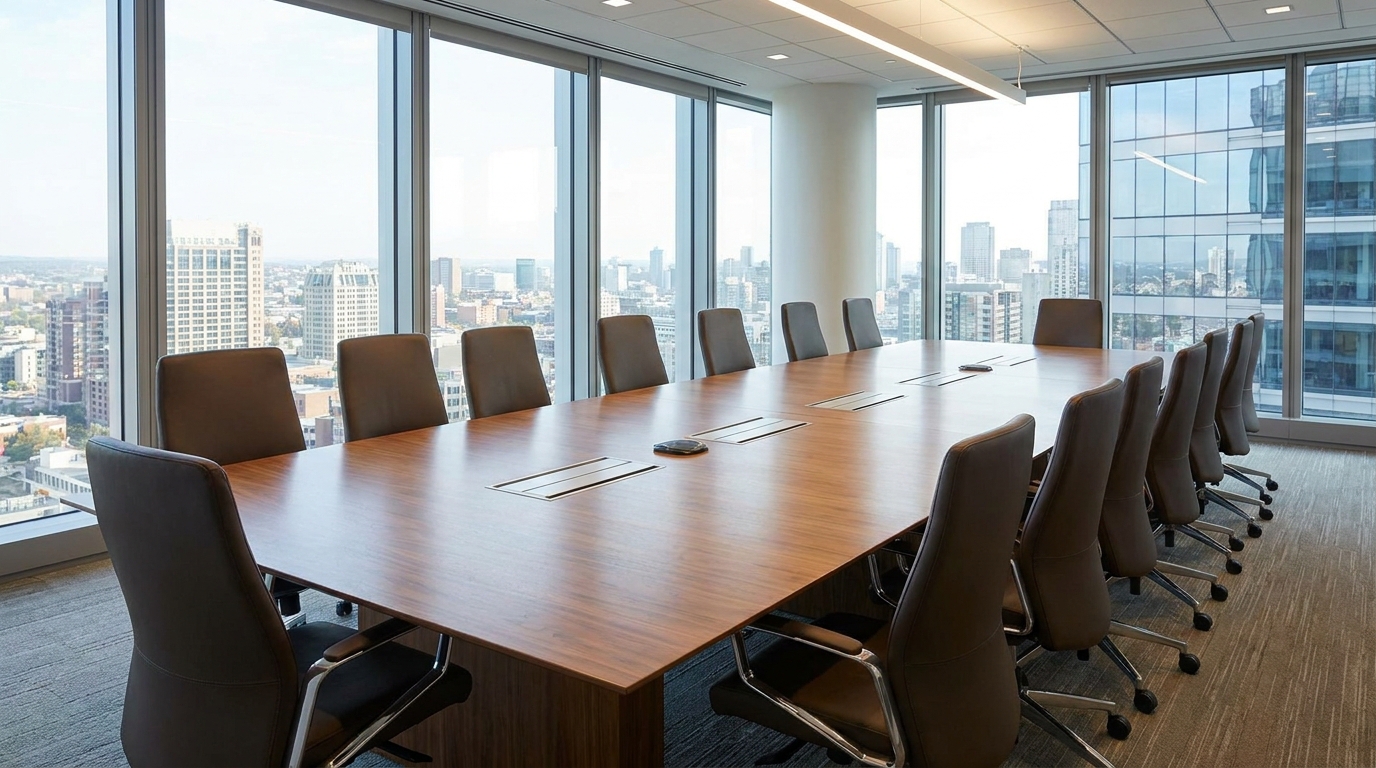
We just established how seating arrangements and storage needs dictate spatial planning. Understanding these core distinctions helps you answer the question, “Is there a difference between a desk and a table?” in a practical setting. Now, let us apply these principles to real-world commercial environments. Equipping a modern workspace requires a strategic mix of both furniture types.
When to Partner with an Office Desk Manufacturer
Your employees need dedicated spaces for focused tasks. Partnering with a specialized manufacturer ensures you get purpose-built workstations. You must equip executive suites, open-plan cubicles, and reception areas appropriately. Different job roles require specific desk dimensions and features.
- Data Analysts: Require heavy-duty workstations supporting multiple monitors and CPU towers.
- Executives: Need large, double-pedestal desks offering significant drawer space and a formal aesthetic.
- Customer Support: Benefit from compact, ergonomic cubicles featuring integrated cable management.
We help you tailor these specifications directly. Homefurnitureliving connects you to top-tier manufacturing lines in China. Our strict on-site inspections guarantee every desk meets your exact functional requirements.
The Importance of Wholesale Commercial Tables
While desks drive individual productivity, tables foster team collaboration. You need high-quality wholesale commercial tables to outfit various shared zones. These include employee breakrooms, busy cafeterias, and agile workspaces. High-traffic communal areas demand a careful balance. You must weigh aesthetic appeal against long-term durability.
Dining tables in breakrooms face daily spills and heat exposure. They require moisture-resistant finishes. Agile workspaces need sturdy communal tables for impromptu meetings. Our “Industrial Cluster + Digital Operation” model provides unparalleled flexibility. We source tables engineered specifically for these demanding commercial environments.
Sourcing from a Bulk Conference Table Factory
Boardrooms represent the professional core of your business. Equipping these large-scale meeting spaces requires specialized solutions. You should source directly from a bulk conference table factory for these flagship pieces. Modern boardrooms demand integrated technology. We supply tables featuring built-in power outlets, USB charging, and seamless data ports. This keeps your meeting spaces free from dangerous cable clutter.
Corporate buyers also face another major challenge. You must maintain design consistency across multiple corporate branches. We solve this through comprehensive quality control and integrated logistics. From initial inquiry to cross-border customs clearance, we ensure your boardroom furniture looks identical in every global office.
| Workspace Zone | Furniture Type Needed | Key Commercial Feature |
|---|---|---|
| Executive Suites | Desks | High storage ratio, premium finishes |
| Employee Breakrooms | Tables | Moisture-resistant surfaces, static load capacity |
| Agile Workspaces | Communal Tables | 360-degree seating, durable construction |
| Corporate Boardrooms | Conference Tables | Integrated data ports, power outlets |
Hybrid Solutions: Can a Table Be Used as a Desk?
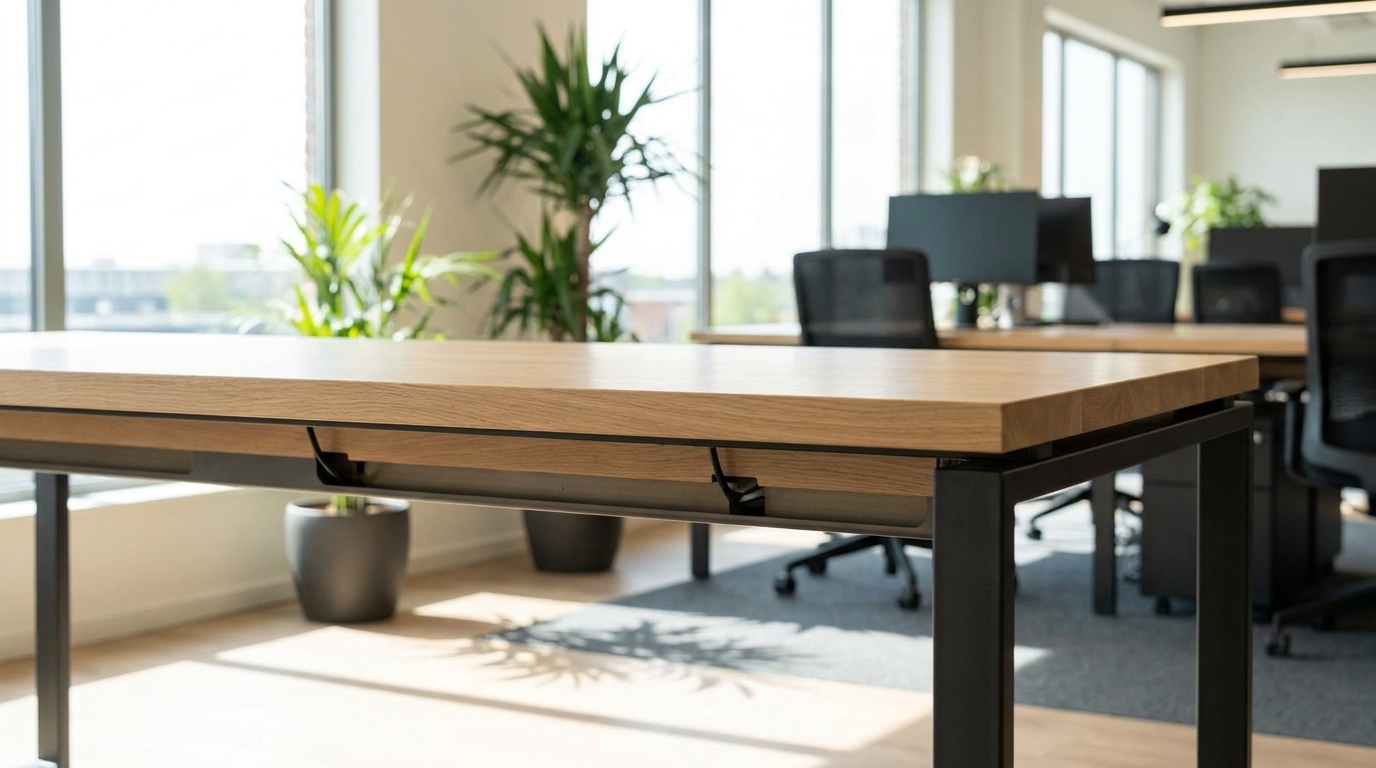
We just explored how distinct commercial zones require purpose-built furniture. However, modern workspace design often blurs these strict boundaries. You might look at an open-concept office and wonder about the furniture. Is there a difference between a desk and a table in these hybrid environments? Many businesses now use simple tables as minimalist workstations.
This crossover trend is incredibly popular today. The classic Parsons table serves as a perfect example. Its legs equal the exact thickness of its top. People frequently use it as a hybrid piece. It works well in both small apartments and agile corporate spaces. It offers a sleek, communal aesthetic. Traditional cubicles simply lack this open visual appeal.
But can a table be used as a desk permanently? You must weigh the pros and cons carefully. An expansive surface area easily accommodates large blueprints. It also works beautifully for collaborative team projects. Yet, this minimalist design creates immediate daily challenges. You face a complete lack of built-in storage. Clutter accumulates rapidly without integrated drawers. This forces a frustrating daily setup and teardown routine.
Ergonomics also suffer when repurposing standard dining pieces. Remember the apron rule we discussed earlier? A thick wooden frame under the surface often blocks chairs. You should always perform a quick chair test. Measure your armrests before buying. Ensure they clear the underside of the surface. Otherwise, you risk severe back and neck pain. Awkward typing angles cause long-term spinal health issues. If you must use a standard table, add a desk mat. This defines your workspace and protects the wood from laptop heat.
The Role of a Custom Office Furniture OEM
Businesses do not have to compromise on aesthetic appeal. You can bridge this gap effectively. Working with a custom office furniture OEM solves this problem. You can design perfect hybrid pieces for your team. We call these innovative designs table-desks. They maintain the clean look of a communal gathering space. However, they secretly integrate essential workstation features. Engineers design them at the 28 to 30-inch standard height. They ensure adequate vertical knee clearance for ergonomic seating.
Homefurnitureliving helps you source these specialized hybrid solutions. We leverage our Industrial Cluster and Digital Operation model. This connects you directly to China’s premium manufacturing lines. Our partner facilities customize hidden wire management systems easily. We add subtle grommet holes to the flat surfaces. Under-surface cable trays hide unsightly computer cords perfectly. This mimics desk functionality while keeping the minimalist vibe intact.
We guarantee excellence for every single custom order. Our team conducts strict on-site inspections. We perform rigorous capacity evaluations at every factory. We handle comprehensive quality control and integrated logistics. We even manage your cross-border customs clearance. This ensures a seamless end-to-end B2B sourcing experience. Your hybrid workstations arrive perfectly tailored for your modern office.
| Feature | Standard Table | Hybrid Table-Desk |
|---|---|---|
| Visual Aesthetic | Open and communal | Open and communal |
| Knee Clearance | Often blocked by thick aprons | Optimized for ergonomic office chairs |
| Cable Management | None (cords hang loosely) | Hidden trays and grommet holes |
| Daily Function | Dining or casual meetings | Full-time intensive computer work |
How to Source the Best Desks and Tables for Your Business
We just explored how hybrid solutions bridge the gap between open aesthetics and ergonomic needs. You now fully understand the answer to the question, “Is there a difference between a desk and a table?”. Next, you must apply this knowledge to your procurement strategy. Sourcing the right furniture requires careful planning. You need pieces matching your specific spatial and functional demands. Let us break down how to secure premium B2B furniture for your commercial projects.
Evaluating Layouts and Employee Needs
Before ordering, assess your floor plan carefully. Look directly at your team’s daily tasks. Do they need heavy-duty workstations for intensive computer work? Or do they require communal surfaces for collaborative meetings? As we covered earlier, seating arrangements dictate your choices. Choose pieces offering high storage ratios for individual focus. Select zero-storage communal pieces for open meeting zones. Mapping these functional differences prevents costly ordering mistakes.
Leveraging the Industrial Cluster Model
Finding a reliable supplier often feels overwhelming. We simplify this process entirely. Homefurnitureliving serves as the ultimate digital bridge connecting you to China’s premium furniture industry. We leverage an innovative “Industrial Cluster + Digital Operation” model. This unique approach unites top-tier manufacturing lines under one roof. It provides you unparalleled flexibility for custom orders. You also gain direct access to factory-direct cost-efficiency. This ensures your procurement budget goes much further.
Ensuring Guaranteed Excellence
You cannot afford structural failures in a busy office. We do not just display products; we guarantee excellence. Every partner facility must pass our strict on-site inspections. We also conduct rigorous capacity evaluations before approving any factory. This means your high-volume orders will never face unexpected production delays. We verify material durability, ergonomic dimensions, and load capacities firsthand. You receive commercial-grade furniture built specifically to last.
Streamlining Your B2B Sourcing Experience
Global procurement usually involves complex logistics. We remove these headaches completely. Our team provides a seamless, end-to-end B2B sourcing experience. We manage everything from your initial inquiry to final delivery. This includes comprehensive quality control at the factory level. We also handle integrated logistics and cross-border customs clearance. You never have to worry about shipping delays or hidden import hurdles. Your new office furniture arrives ready for immediate installation.
| Sourcing Stage | The Homefurnitureliving Advantage |
|---|---|
| Factory Selection | Strict on-site inspections and capacity evaluations |
| Produzione | Industrial Cluster model for unparalleled flexibility |
| Quality Assurance | Comprehensive quality control guaranteeing excellence |
| Global Delivery | Integrated logistics and cross-border customs clearance |
Conclusione
Yes, a distinct difference exists between desks and tables. Desks drive individual focus, while tables encourage group collaboration. Knowing this improves workspace efficiency and employee comfort. B2B buyers should source directly from premium factory clusters. Homefurnitureliving seamlessly connects you to top Chinese manufacturing lines. Enjoy direct pricing with our complete B2B sourcing experience.
- Assess your current office layout for functional gaps.
- Ask staff about their daily workstation ergonomic needs.
- Contact Homefurnitureliving for a custom bulk furniture quote.
Frequently Asked Questions About Desks and Tables
Can I use a dining table as a desk permanently?
Yes, you can use a table as a desk. However, you might face some ergonomic challenges. Dining tables often have a wooden frame called an apron. This apron can block your office chair armrests. You may also lack proper knee clearance. If you work from a table daily, use a desk mat. This protects the wood from laptop heat. Also, check your chair height carefully. Proper posture prevents back and neck pain over time.
Why are desks usually more expensive than simple tables?
Desks cost more because they include complex built-in features. A good workstation has drawers, cubbies, and shelving. Heavy-duty desks support dynamic loads like heavy monitors and printers. Tables generally have a zero percent storage ratio. They simply support static loads like dishes and decor. Desks also feature modesty panels and grommet holes. These extra materials and specific engineering details increase the final price.
How do I hide unsightly computer cords on a standard table?
Standard tables lack built-in cable management like grommet holes. You can easily fix this with a simple hack. Attach adhesive J-channels or cable trays underneath the surface. This keeps power strips and wiring out of sight. You can also use zip ties to bundle loose cords together. Routing cables along the table legs hides them well. These small tricks make a regular table look like a professional workstation.
What is the main difference in design between a desk and a table?
A desk is designed for a person sitting at it. It focuses on task-oriented work and personal storage. A table is built for people sitting around it. Tables encourage social and communal activities. Desks often have textured finishes for computer mice. Dining tables usually feature smooth, decorative surfaces. Desks sit against walls or in corners. Tables usually stand in the center of a room.
How can I source high-quality desks and tables for my business?
You can partner with Homefurnitureliving for premium furniture sourcing. We connect China’s top manufacturing lines with the global market. Our factory-direct model offers great cost efficiency and flexibility. We guarantee excellence through strict on-site inspections. Our team handles complete quality control and cross-border customs clearance. You get a seamless B2B experience from inquiry to delivery. We ensure your business receives the best desks and tables available.
While desks and tables share similar heights, their core functions differ greatly. Desks provide storage, cable management, and ergonomic support for focused work. Tables offer open surfaces designed for dining and communal gatherings. Choosing between them depends on your daily tasks and posture needs. Understanding these design differences helps you create a comfortable space.
- Measure your office chair armrests to ensure proper table clearance.
- Install adhesive cable trays to organize loose workstation wires.
- Buy a protective desk mat for your daily laptop setup.
- Contact Homefurnitureliving to source premium wholesale furniture today.